
What are the 2026 best Corporate Shirts for global buyers? The answer is no longer based on appearance alone. Buyers now assess fabric performance, supplier transparency, comfort, and total cost. A polished white shirt may look reliable, but weak stitching or poor size consistency can damage an entire uniform program.
Textile Exchange’s Materials Market Report 2024 reported global fiber production at approximately 124 million tonnes in 2023. It projects production could reach 160 million tonnes by 2030. This growth increases pressure on buyers to examine fiber origins, recycled content, and manufacturing impacts. The report also shows why material selection cannot remain a minor purchasing detail. Cotton, recycled polyester, lyocell, and blended fabrics each create different performance and traceability questions.
The European Union’s Ecodesign for Sustainable Products Regulation entered into force in 2024. Its broader product-data direction makes traceability increasingly important for international suppliers. McKinsey’s State of Fashion research also identifies continuing uncertainty, cost pressure, and sustainability demands across fashion supply chains. These forces shape the best Corporate Shirts for 2026. They must survive repeated washing, long working days, and varied climates. They should also support reliable replenishment across regions.
There is no perfect shirt. Not yet. A recycled fabric may feel excellent but need stronger testing. A low-cost option may become expensive after frequent replacement. Therefore, global buyers should compare fabric weight, shrinkage, colorfastness, collar recovery, certifications, labor transparency, and delivery capability. This guide examines those practical details, while acknowledging one uncomfortable truth: supplier claims still require independent verification.
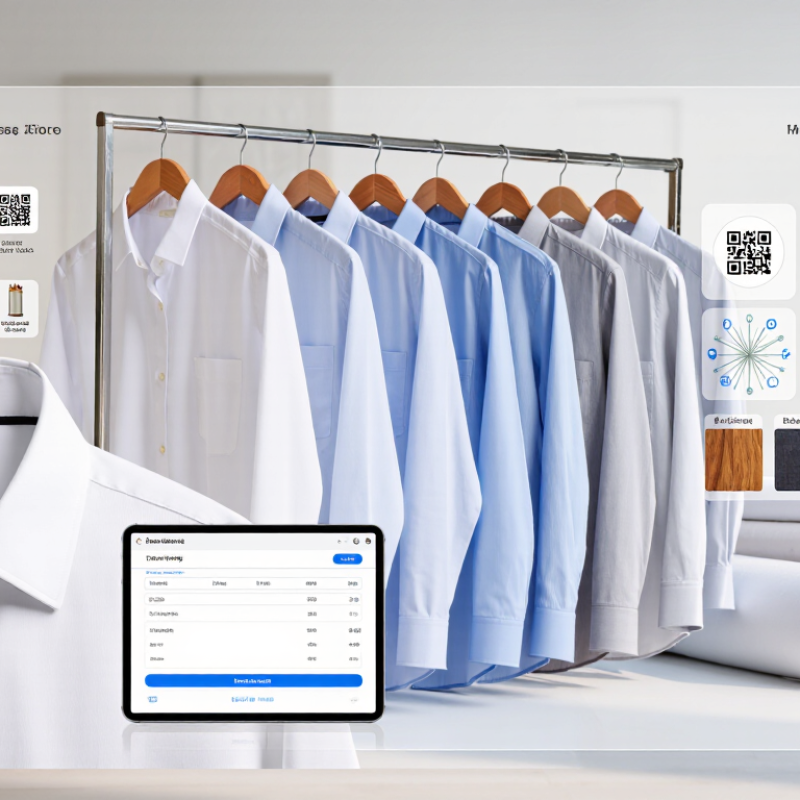
The 2026 corporate shirt market is moving beyond basic office uniforms. Global buyers now expect comfort, reliable sizing, and responsible production in one product. Lightweight woven cotton blends remain practical for warm offices and frequent washing. Recycled fibers are also gaining attention, although their performance can vary by supplier. A smooth collar, reinforced shoulder seams, and colorfast fabric can reduce replacement costs. Small details matter.
Buyers are asking more detailed questions before placing large orders. They review fabric weight, shrinkage results, stitching density, and packaging methods. A sample should be washed several times, not inspected only under showroom lighting. Size grading deserves equal attention, especially for international teams with different body proportions. Some suppliers provide excellent samples but weaker bulk production. This is an uncomfortable risk, and it requires independent checks. Buyers should request test records, production photos, and clear quality standards before approval.
Tips: Compare at least three samples using the same checklist. Test collar recovery after washing. Confirm fiber content and colorfastness through suitable documentation. Ask how factory workers are protected, but verify the answer when possible. Keep one approved sample for bulk inspection. Avoid choosing only by the lowest price. It often creates hidden costs later. A perfect corporate shirt does not exist; the stronger choice balances appearance, durability, comfort, and traceable production.
Global corporate shirts in 2026 must balance appearance, movement, and climate demands. Fabric selection usually determines daily comfort. Cotton remains breathable and familiar, while recycled polyester improves drying speed and shape retention. A cotton-polyester blend can reduce wrinkles during long flights. For hot regions, lightweight poplin or tropical-weight fabric feels less restrictive. In cooler offices, a slightly heavier twill provides structure without looking formal.
Fit should support real working movements. A modern regular fit suits varied body shapes and reduces exchange problems. Slim cuts look sharp, but they may pull across the chest or shoulders. Buyers should inspect armhole depth, sleeve length, and collar recovery after washing. A shirt that feels perfect on a showroom model may fail during presentations. Fit samples matter more than size charts alone.
Features also influence international business wear. Reinforced side seams, secure buttons, and colorfast dyes support repeated laundering. Wrinkle resistance helps, though excessive chemical treatment can reduce softness. Moisture management is useful in humid cities, but poor fabric blends may trap heat. I would request laboratory test reports, wash-cycle samples, and measurement tolerances from suppliers. Still, no shirt performs equally well everywhere. Regional climate, local laundering habits, and employee preferences can change the result. A small pilot order is safer than a confident bulk decision.
Corporate shirt choices are splitting by industry and region. Finance and legal teams still favor structured poplin shirts in white, blue, and pale grey. Healthcare and hospitality require easy-care fabrics, secure buttons, and stronger color retention. Technology companies often choose softer oxford shirts or knit polos for hybrid offices. This reflects workplace reality, not just fashion.
Regional climate changes the specification. Buyers in Southeast Asia often need lightweight, breathable fabrics and quick-drying finishes. European buyers may prioritize traceability, recycled fibers, and repairability. The Textile Exchange Materials Market Report 2024 states that polyester represented about 57% of global fiber production in 2023. Recycled polyester accounted for roughly 14% of polyester output. These figures support blended options, but recycled content alone does not prove responsible sourcing.
North American programs commonly balance formal appearance with relaxed movement. Middle Eastern markets may prefer long-sleeve shirts with opaque, breathable construction. Fit also varies; a generous cut can improve comfort, yet it may look careless in client-facing roles. I have seen buyers over-standardize colors across climates. That approach saves sampling time, but it can increase complaints and replacement rates. A better 2026 specification combines regional fit blocks, tested shrinkage, and documented fabric performance. The International Organization for Standardization’s ISO 6330 washing methods can support repeatable shrinkage testing. Still, laboratory results may not match every workplace laundry routine. That gap deserves attention.
Global buyers should judge 2026 corporate shirts through measurable performance, not attractive catalog photographs. The best shirt keeps its collar shape, resists pilling, and remains colorfast after repeated washing. During sampling, request shrinkage tests, seam-strength results, fabric composition, and dimensional measurements. A neat first sample proves little. Production consistency matters more.
Sustainability requires evidence. Textile Exchange’s Materials Market Report 2024 recorded 124 million tonnes of global fiber production in 2023. It projects roughly 160 million tonnes by 2030. Buyers should therefore examine recycled content, water use, chemical controls, packaging, and traceable fiber records. Certifications can support claims, but they do not replace factory-level verification. My caution is simple: sustainability language often sounds cleaner than the production floor.
Pricing should use a landed-cost worksheet, including fabric, trims, testing, freight, duties, payment terms, and possible defect allowances. The lowest quotation may become expensive after delays or rework. McKinsey’s State of Fashion 2025 highlights continuing geopolitical and supply-chain volatility, making supplier resilience a commercial issue. Evaluate on-time delivery history, backup capacity, response speed, corrective-action records, and transparent audits. Ask for recent production evidence, not promises. No supplier scorecard is perfect, and buyers should review it after every shipment.
For global teams, the best corporate shirt in 2026 is not simply the cheapest custom garment. Buyers should match fabric, climate, work role, and washing habits before approving bulk production. Textile Exchange’s Materials Market Report 2024 recorded 124 million tonnes of global fiber production in 2023. It projects about 160 million tonnes by 2030. This pressure makes traceable fibers, recycled content, and longer shirt life practical purchasing concerns.
Request a physical sample before confirming colors, collars, stitching, and logo placement. A neat size chart still fails. Measure existing employee shirts, then compare chest, sleeve, and length measurements across regions. For hot offices, lightweight cotton blends can improve comfort. For travel-heavy teams, wrinkle resistance may matter more. Ask suppliers for fiber composition, colorfastness results, shrinkage data, and factory audit evidence. The Global Organic Textile Standard requires certified products to meet defined fiber and processing criteria, but certification alone does not guarantee perfect fit or delivery.
Ordering should include a small pilot batch before the main purchase. Test washing, embroidery durability, packaging, and delivery timing in at least two countries. A 5–10% buffer can cover replacements, yet excessive stock wastes money and materials. The European Environment Agency reports that textile consumption creates substantial environmental pressure through raw materials, water, and production. That makes over-ordering difficult to defend. Sustainability claims need documents, not attractive wording. Some suppliers may promise too much. Buyers should record every specification and review what went wrong after delivery.
Selecting and Ordering the Best Corporate Shirts for Global Teams
Fabric weight is a practical first filter for global corporate apparel sourcing. Lightweight woven shirts are generally better suited to hot and humid environments, midweight fabrics provide a balance of structure and comfort, and heavier twill fabrics are more suitable for cooler climates or layered uniforms. The figures shown are typical commercial sourcing benchmarks in grams per square metre (GSM); final orders should be validated with fabric samples, shrinkage tests, colourfastness tests, and local wearer trials.
It should combine comfort, dependable sizing, durability, and traceable production. Small details matter.
Lightweight cotton blends remain practical. Recycled fibers may help, but supplier performance can vary.
Choose smooth collars, reinforced shoulder seams, and colorfast fabric. Test them after repeated washing.
Compare at least three samples with one checklist. Wash each sample several times, not just once.
Request shrinkage results, stitching details, fiber information, colorfastness documents, and production photos. Keep one approved sample.
Body proportions differ across regions. Use regional fit blocks and check actual measurements carefully.
Structured woven shirts suit formal teams. Healthcare and hospitality need easy-care fabrics and secure buttons. Technology teams may prefer softer shirts.
Warm regions often need breathable, quick-drying fabrics. Cooler markets may prioritize opacity, layering, or longer sleeves.
Usually not. Cheap production can create hidden replacement and complaint costs. I may still underestimate these risks.
No. Buyers should also examine traceability, worker protection, testing records, and factory conditions. Claims need verification.
The 2026 corporate shirt market is shaped by global teams seeking a balance of professional appearance, comfort, durability, and consistent presentation. The best Corporate Shirts are expected to perform across different climates, workplace cultures, and industry requirements. Breathable cotton blends, recycled fibers, stretch fabrics, wrinkle resistance, easy-care finishes, and adaptable fits are becoming important features. Classic button-downs, modern slim styles, relaxed business shirts, and performance-inspired options can each serve different regional preferences and professional settings.
For international buyers, selecting the right shirts requires more than comparing appearance and price. Quality control, fabric transparency, sustainability practices, ethical production, dependable lead times, sizing consistency, and responsive supplier communication are essential evaluation points. Buyers should define their team’s needs, request samples, confirm customization and packaging details, calculate total purchasing costs, and begin with a controlled order before scaling globally. A reliable sourcing process helps organizations achieve a polished, comfortable, and consistent look across offices while supporting long-term value and responsible purchasing decisions.
