GoldenLeaf Sports14+ Years Teamwear Manufacturer · Shenzhen, China
GoldenLeaf Sports14+ Years Teamwear Manufacturer · Shenzhen, China
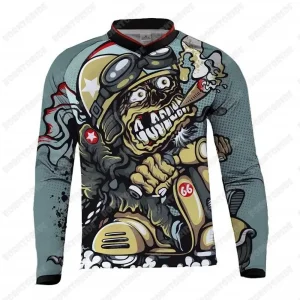
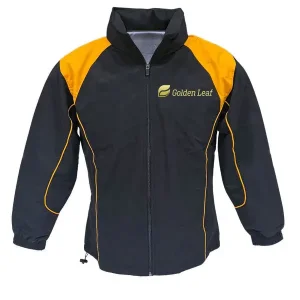
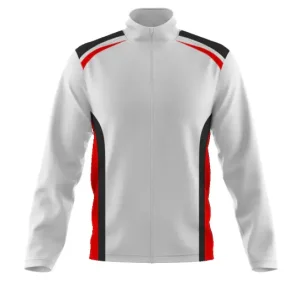
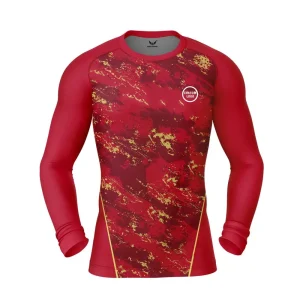
The global outdoor and marine apparel sector is experiencing a structural transformation. Fishing is no longer regarded purely as a leisure activity; it has expanded into a multi-billion-dollar global industry encompassing competitive sport fishing, charter expeditions, deep-sea exploration, and commercial marine operations. Modern anglers and commercial crews require apparel that functions as active equipment rather than mere clothing.
Prolonged ultraviolet radiation exposure on open water poses severe health risks. Leading fishing exporters now prioritize UPF 50+ broad-spectrum UV shielding using ceramic-infused synthetic microfibers that maintain photoprotective density even when damp or subjected to salt spray.
Advanced moisture management relies on dual-layer push-pull knits. The inner surface pulls sweat away from the skin via capillary action, while the hydrophobic outer membrane accelerates evaporation, keeping anglers dry in high-humidity tropical climates or stormy offshore waters.
Saltwater crystallization degrades standard fabrics quickly. Factory innovation focuses on silver-ion anti-microbial treatments and stain-release polymers that prevent blood, grease, and marine bacteria from permanently bonding to garment fibers.
Modern commercial buyers—ranging from regional distributors and outdoor brands to tournament organizations—are shifting their supply chain priorities. Beyond competitive pricing, sourcing directors evaluate factory partners based on speed-to-market, customisation capabilities, fabric certification, and order flexibility.
Distributors require versatile manufacturing frameworks capable of switching between private-label branding, customized tournament team kits, and bulk commercial gear runs. Key elements include:
To satisfy regulatory compliance in Western markets, fishing factories must adhere to strict environmental and labor standards. Tier-1 exporting factories provide:
| Procurement Metric | Traditional OEM Suppliers | Modern Chinese Industry 4.0 Factories | Strategic Advantage for Buyers |
|---|---|---|---|
| Minimum Order Quantity (MOQ) | 500 – 1,000 pcs / colorway | 10 – 50 pcs / design | Drastically lowers inventory risk and working capital lockup. |
| Production Lead Time | 45 – 60 Days | 12 – 18 Working Days | Enables rapid response to seasonal demand spikes. |
| Printing Technology | Basic Screen Printing (Peels/Cracks) | Digital Sublimation + Laser Registration | Breathable, vibrant graphics fused directly into fibers. |
| Custom Labeling & Packaging | Surcharged / Outsourced | In-House Full Private Label System | Turnkey delivery ready for retail or e-commerce fulfillment. |
China’s textile and sportswear manufacturing sector has undergone a massive technological upgrade. Centered in advanced industrial hubs like Shenzhen, factories leverage automated digital sublimation workflows, camera-guided laser cutting systems, and digitized inventory control to deliver unmatched precision, speed, and cost efficiency.
Using imported eco-friendly Italian inks and industrial wide-format Japanese printers, graphics are fused deep into synthetic polyester strands. Colors remain rich and vivid under intense marine sunlight without altering fabric weight or blocking breathability pores.
Optical sensors detect registration marks printed on continuous fabric rolls, executing precise automatic cuts. This ensures flawless seam alignment, perfect pattern matching across multi-panel garments, and clean edge sealing that prevents fraying.
Specialized 4-needle 6-thread flatlock stitching creates ultra-smooth, low-profile internal seams. This construction eliminates chafing and skin friction during repetitive casting motions and rigorous physical activity aboard sport fishing vessels.
A dedicated multi-stage QA/QC process verifies dimensional accuracy, stitch tension, and color fidelity before sorting and poly-bagging. Orders move seamlessly from factory floor to global express, air, or ocean shipping networks.
The primary advantage of Shenzhen’s supply chain ecosystem lies in localized vertical integration. Within a tight geographic radius, raw yarn spinning mills, specialized knitters, functional dye houses, digital printing facilities, and experienced assembly technicians collaborate seamlessly. This cluster density drastically reduces production bottlenecks, allowing export factories to handle complex custom orders with unparalleled agility.
Furthermore, modern supply chain elasticity empowers global buyers to maintain lean inventory models. By ordering smaller initial batch sizes and utilizing fast-turnaround replenishment schedules, brands minimize warehousing overheads while remaining responsive to shifting market demand.
Marine apparel operates under harsh environmental conditions: constant UV radiation, salt air exposure, abrasive deck contact, and shifting moisture levels. Selecting the optimal textile composition is essential for long-term product durability and comfort.
Combining fine-denier polyester with flexible elastane fibers creates 4-way stretch fabrics that move naturally with the body. Ideal for active casting shirts, sun hoodies, and athletic performance shorts requiring unrestricted range of motion.
Engineered micro-perforations enhance passive air ventilation while maintaining structural opacity. These lightweight knits (140–165 gsm) deliver exceptional airflow across high-heat body zones such as underarms, back panels, and side vents.
For outerwear, commercial deck jackets, and reinforced utility pants, high-tenacity nylon ripstop with DWR (Durable Water Repellent) coatings provides superior protection against abrasions, tears, wind, and heavy spray.
Fishing conditions vary dramatically across geographic regions and fishing disciplines. Export factories must engineer custom garment specs tailored to distinct climate demands and end-user requirements.
Key Climates: Gulf Coast, Caribbean, Great Barrier Reef, Southeast Asia.
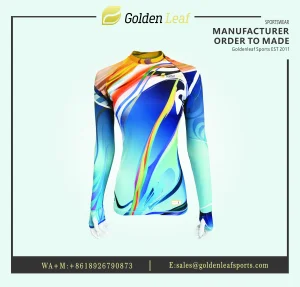
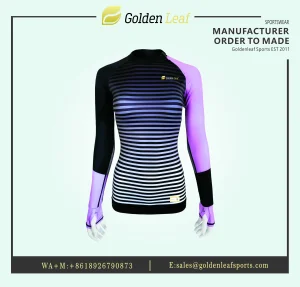
Garment Focus: Ultra-lightweight (135–150 gsm) long-sleeve sun hoodies featuring built-in face gaiters, thumbhole cuffs, and max-ventilation mesh side panels engineered to reflect solar heat.
Key Climates: US Lakes, European Inlands, Japanese Basins.
Garment Focus: Sublimated crew-neck quarter-zip jerseys tailored with vibrant sponsor logos, anti-glare collar undersides, and ergonomic shoulder seams for high-speed boat navigation and non-stop casting.
Key Climates: North Atlantic, Pacific Northwest, Nordic Marine Routes.
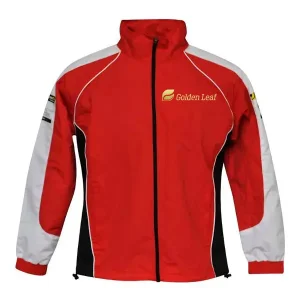
Garment Focus: Softshell windbreak jackets, fleece-lined thermal baselayers, waterproof outer shells, and high-stretch thermal bib pants designed for layered climate protection.
Essential insights for importers, brand managers, and procurement officers evaluating custom fishing gear manufacturing partners in China.