GoldenLeaf Sports14+ Years Teamwear Manufacturer · Shenzhen, China
GoldenLeaf Sports14+ Years Teamwear Manufacturer · Shenzhen, China
Engineered for high-intensity athletic performance, rapid turnaround OEM/ODM customisation, and flawless color rendition.
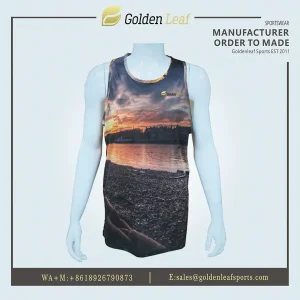
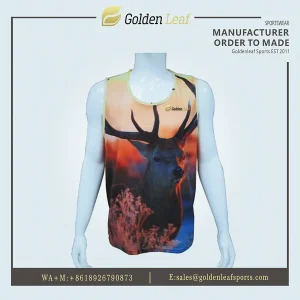
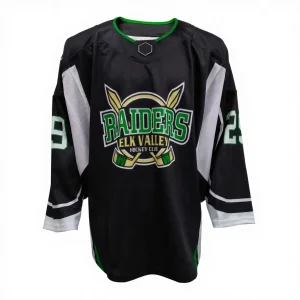
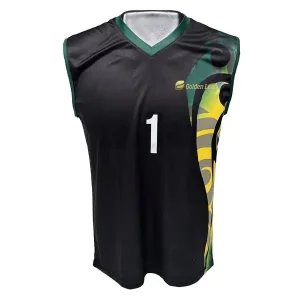
Analyzing global market dynamics, dual-identity textile engineering, and the strategic shift toward consolidated athletic teamwear production.
Reversible sportswear cuts overall inventory requirement by up to 45% for sports clubs and academic institutions. By pairing home and away colorways within a single garment unit, procurement teams optimize freight logistics, reduce warehouse storage footprints, and lower end-user costs per player kit.
Modern global brands face mounting pressures to achieve stringent ESG mandates. Reversible manufacturing halves the raw polymer weight required for dual-matchday rotation, directly curbing scope 3 carbon emissions associated with textile synthetic spinning, dyeing water consumption, and overseas distribution.
Historically, dual-sided sublimated jerseys suffered from sub-surface dye migration—dark colors ghosting onto light reversed panels. Premium manufacturing addresses this through multi-layer barrier knits and specialized high-density polyester micro-fibers that lock dyes into the fiber core.
Strategic Insight: The modern reversible garment is no longer a rudimentary mesh singlet used solely for practice scrimmages. Driven by advanced digital dye-sublimation RIP software, registration-mark laser cutting, and ultra-lightweight micro-mesh textiles, contemporary reversible apparel represents a high-margin, professional-grade cornerstone for sportswear distributors worldwide.
What multi-national sports brands, university leagues, and international apparel buyers demand from a tier-1 reversible manufacturing partner.
High-abrasion sports like rugby, basketball, and hockey demand flat-lock structural seam integrity. Traditional seam allowances cause severe friction chafing when reversed. Top factories utilize specialized reverse-bind cover-stitching to ensure structural durability without skin abrasion.
A dual-layer garment risks double the fabric weight, leading to thermal stress and excess athlete fatigue. Sourcing directors look for single-ply double-face knits (145–160 gsm) or ultra-fine 120 gsm micro-bird-eye mesh to maintain airflow dynamics and active moisture-wicking rates above 4.5 mm/s.
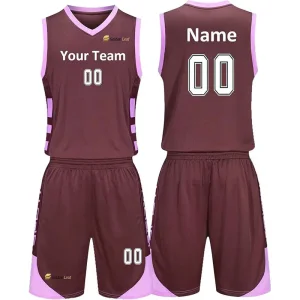
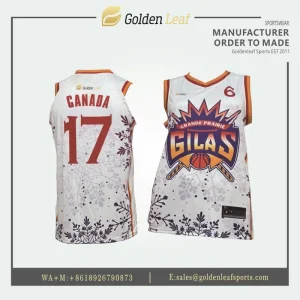
Modern sports teamwear buyers can no longer commit to thousand-unit static inventory runs. Factories must support agile short-run manufacturing (from 10 pcs per design) with variable player names, squad numbers, and sponsor logos printed dynamically within the same production queue.
How Shenzhen's advanced textile infrastructure integrates computer vision, automated laser cutting, and digital color management to dominate global exports.
High-speed optical cameras scan printed sublimation paper in real-time, correcting for fabric stretch and micro-skewing. Laser cutters slice pattern panels with +/- 0.5mm precision, ensuring reversible front-and-back panels align flawlessly down to the millimeter during assembly.
Utilizing imported OEKO-TEX certified Italian and Japanese sublimation inks, Chinese OEM facilities achieve vibrant Pantone color accuracy (ΔE < 1.0) while eliminating toxic chemical effluents. Colors withstand 50+ industrial wash cycles without fading or cracking.
From initial digital vector rendering and pattern grading to heat-transfer calendering, sewing, and final quality control—operating under one roof eliminates third-party bottleneck delays and guarantees strict lead times of 12–18 working days for bulk production.
Understanding the mechanical properties, airflow dynamics, and garment weight distribution across different manufacturing methodologies.
Constructed by joining two independently sublimated mesh panels at the neckband and armholes. Offers 100% opacity between vibrant contracting colors (e.g., Black & White). Ideal for youth leagues, basketball practice singlets, and reversible lacrosse pinnies.
Utilizes a single technical knit fabric treated with dual-penetration dye control or double-sided heat transfer. Minimizes garment bulk, reducing weight down to 150 gsm while maintaining moisture wicking. Favored for elite hockey jerseys and rugby uniforms.
Specialized double-needle stretch bias tape covers all raw interior fabric edges. Ensures that regardless of which side the athlete exposes, the garment presents clean aesthetic lines and zero raw seam exposure.
Adapting reversible sportswear manufacturing to meet localized regulations, sports cultures, and distribution channels across major worldwide markets.
Dominant demand centers on NCAA, AAU basketball circuits, and High School Lacrosse programs. Sourcing specifications emphasize athletic oversized cuts, moisture-wicking bird-eye mesh (150 gsm), NFHS-compliant number placement, and reversible scrimmage pinnies with bold contrast side paneling.
Driven by amateur and professional Football (Soccer) clubs, cycling squads, and university multisport associations. High compliance focus on REACH eco-chemical standards, slim-fit athletic tailoring, recycled PET polyester fibers, and subtle tonal reversed home/away prints.
Heavy focus on Rugby Union, Rugby League, and Netball teams. Demands ultra-durable 220+ gsm high-density poly-twill knits capable of enduring aggressive physical tackles. Requires vibrant sublimated First Nations / Aboriginal cultural art prints without ink cracking.
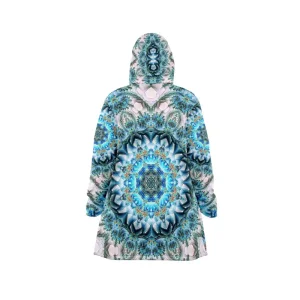
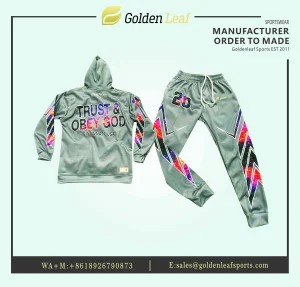
Beyond competitive athletics, street fashion brands utilize OEM reversible capabilities for double-sided hoodies, urban streetwear singlets, and high-margin festival outerwear, effectively selling two distinct graphic concepts inside a single physical garment.
Demonstrating decades of manufacturing experience, technical expertise, international authoritativeness, and transparent reliability.
Every batch undergoes incoming raw fabric tension testing, post-sublimation color inspection, pre-assembly laser dimension check, seam tensile strength testing, and final individual garment measurements prior to eco-polybag packaging.
Our raw polyester substrates and sublimation inks maintain strict alignment with ISO 9001 quality management guidelines, OEKO-TEX Standard 100 toxicity thresholds, and global REACH regulations for safe prolonged skin contact.
Over 80% of our 160+ workforce comprises senior apparel technicians with 10+ years in digital sublimation pattern grading, ensuring zero distortion across all graded size ranges from Youth 6Y to Adult 5XL.
Direct answers from our engineering desk regarding custom reversible manufacturing, lead times, and private labeling.
We utilize high-density polyester fabrics treated with a specialized opacity barrier, paired with calibrated low-temperature heat press profiles. This guarantees that dark background inks (e.g., navy or black) do not migrate into the light inner face during the sublimation transfer or after repeated laundering.
Our standard MOQ is just 10 pieces per design run. Because each panel is digitally printed prior to automated laser cutting and stitching, individual player numbers, surnames, and sizing can vary freely within the same 10-piece batch without setup surcharges.
24 to 48 hours for virtual vector mock-ups; 5 to 7 working days for physical pre-production samples; and 12 to 18 working days for complete bulk production runs (300 to 1,000 units), shipped direct from our Shenzhen factory floor.
Yes, full ODM and private-label manufacturing is supported. We produce custom woven or tagless heat-transfer neck labels, custom hang tags, individual barcode polybags, and branded master shipping cartons tailored to your corporate specifications.
For basketball singlets and lacrosse pinnies, we recommend lightweight 140–150 gsm bird-eye micro-mesh to maximize ventilation. For ice hockey or rugby jerseys requiring high tensile durability, we utilize 180–220 gsm interlock or heavy-duty polyester twill knits.
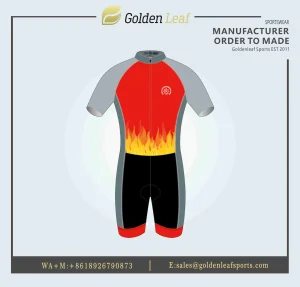
Explore our complete lineup of custom sublimated outerwear, athletic shorts, hoodies, and specialized racing gear.