



GoldenLeaf Sports14+ Years Teamwear Manufacturer · Shenzhen, China
GoldenLeaf Sports14+ Years Teamwear Manufacturer · Shenzhen, China
Choosing the best Team Jackets for a sports team is about more than matching colors. A jacket should keep players comfortable before and after practice, travel well, and hold up to regular wear. Picture a chilly sideline, a damp bench, and a team moving between warm-ups and the bus. In those moments, fabric, fit, and practical details matter. A lightweight shell may suit rainy fall games, while a lined jacket can offer more warmth during cold-weather travel. There is no single best choice for every team.
Start by considering the local climate, the sport, and how players will use the jackets. Look for comfortable shoulder movement, secure pockets, and closures that are easy to manage over a uniform. Check the size range and compare measurements rather than relying on labels alone. Small details count. A hood can help in drizzle, but it may get in the way during play. Embroidered logos can look sharp, though they may affect cost and delivery time. Ask about care instructions, too; a jacket that needs special handling may not suit a busy team.
The right option balances durability, comfort, appearance, and budget. Seek clear product specifications, realistic delivery estimates, and sample sizing when available. Reviews can offer useful clues, but they may not reflect your team’s conditions. That part is easy to overlook. A popular style can still feel too warm, restrictive, or difficult to clean. Compare choices with players and coaches, then select jackets that fit the team’s actual routine—not just the photo.
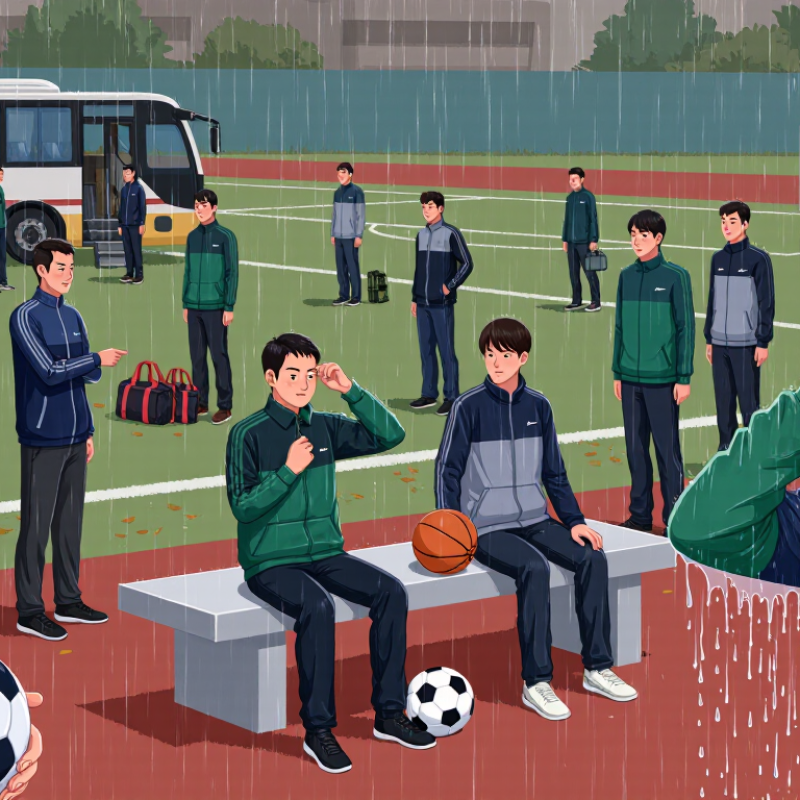
Team jackets are coordinated outer layers worn by players, coaches, and support staff. They help a team look unified before a game, during travel, or while standing on a cold sideline. Some offer light wind or rain protection; others mainly provide warmth. That distinction matters.
Their roles extend beyond appearance. Pockets can hold small essentials, while a full-length zipper makes changing layers easier between warm-ups and play. A shared color or crest can also help families spot their team in a crowded venue. The scale is substantial: the NFHS recorded 8,062,302 high-school sports participations in its 2023–24 High School Athletics Participation Survey. The NCAA’s 2022–23 Sports Sponsorship and Participation Rates Report counted more than 520,000 student-athletes. These figures describe participation, not jacket purchases, so they should not be treated as demand estimates.
A useful team jacket should fit over a uniform without restricting arm movement, and its fabric should suit the team’s local weather and schedule. Coaches may value easy identification; athletes may care more about comfort after practice. Those needs can conflict. A heavy jacket might feel reassuring in the stands, yet become awkward to carry once temperatures rise. Even a small design choice, like a snug cuff, can matter on a windy field.
| Jacket Type | What It Is | Role for the Team | Common Materials and Features | Best Suited To | Selection Considerations |
|---|---|---|---|---|---|
| Warm-Up Jacket | A lightweight outer layer worn before training or competition. | Helps athletes stay comfortable between warm-up activities and the start of play; creates a coordinated team appearance. | Often made from polyester or polyester blends, with a full-length zipper, pockets, and a breathable lining or mesh panels. | Cool-weather practices, pre-game routines, and indoor-to-outdoor transitions. | Choose a fit that allows movement over a training top. Breathability and easy laundering are useful for frequent use. |
| Sideline Insulated Jacket | A warmer coat designed for extended periods outdoors in cold conditions. | Provides more insulation for players on the bench, coaches, and support staff who may be inactive for long stretches. | May use synthetic insulation, a wind-resistant outer shell, a high collar, and a longer cut for added coverage. | Cold-weather matches, outdoor tournaments, and winter training sessions. | Consider the expected temperature, layering space, weather protection, and whether the jacket restricts movement when worn over other layers. |
| Rain Shell | A lightweight shell intended to help shield the wearer from rain and wind. | Helps teams remain on the field or sidelines in wet conditions while keeping an outer clothing layer drier. | Typically made with a water-resistant or waterproof fabric, a hood or high collar, and sealed or protected openings on some designs. | Rainy practices, wet-weather travel, and exposed outdoor sidelines. | Waterproofing, breathability, and seam construction vary. Check care instructions and allow room for clothing underneath. |
| Softshell Jacket | A flexible, close-fitting outer layer that balances light weather resistance with ease of movement. | Offers a practical layer for coaches and athletes who need mobility in cool, breezy conditions. | Often uses stretch-woven fabric with a soft inner face; some versions include a water-repellent finish. | Cool, dry or lightly damp conditions, training, and team travel. | Softshells are not all designed for heavy rain or severe cold. Match the jacket’s protection level to the local climate. |
| Windbreaker | A light jacket made to reduce the effect of wind, usually with limited insulation. | Provides a packable outer layer for warm-ups and changing weather without the bulk of a heavy coat. | Commonly made from lightweight woven synthetic fabric, sometimes with elastic cuffs, a drawcord hem, or a packable hood. | Breezy days, mild temperatures, and travel where compact storage matters. | It may not provide enough warmth on its own. Look for comfortable ventilation and a fit that layers easily. |
| Travel or Presentation Jacket | A coordinated jacket selected primarily for team travel, events, and off-field appearances. | Helps players and staff present a consistent team identity away from competition. | May use knit, woven, or brushed fabric, with a clean silhouette, practical pockets, and space for team insignia. | Team travel, award events, arrivals, and casual off-field wear. | Prioritize comfort during long periods of wear, easy care, suitable sizing, and a design appropriate for the team’s dress expectations. |
It should feel light and breathable, with room for a training top underneath. Comfortable in a shop does not always mean comfortable during drills.
Ask them to raise their arms, sprint, sit, and stretch in the jacket. The hem should stay in place, and the shoulders should not pull tight. Try different body shapes.
A wind-resistant outer layer and secure zipper can help. Adjustable cuffs are useful, too. Check that pockets close firmly before keys start bouncing out.
Polyester is common, but that does not make every polyester jacket suitable. Compare the lining, stitching, breathability, and water resistance. Fabric feel matters.
For cold, wet sidelines, look for layers that fit over uniforms and test them in light rain. Mild conditions may call for a lighter shell. Weather averages are only a starting point.
Inspect zipper seams, cuffs, and pocket corners. Try the jacket with backpacks or shoulder pads if players use them. Small weak points can wear out first.
It can. Embroidery may add weight over the chest, while printed details may suit lighter panels. Ask for a decorated sample and wash-test information.
Compare expected use and replacement needs, not only the unit price. Leave some budget for size exchanges. I would still test several samples before ordering the full set.
Team Jackets do more than give a sports team a unified look. They help players and supporters stay comfortable before and after games, provide a practical layer for changing weather, and make team identity easy to recognize. A suitable jacket should balance warmth, breathability, freedom of movement, and useful details such as secure pockets and an easy-to-adjust fit.
The best style depends on the sport, local climate, and budget. Lightweight windbreakers may suit mild or wet conditions, while insulated or fleece-lined options can provide extra warmth in colder weather. When comparing choices, consider durable, comfortable materials, sizing that works for the whole team, and customization that remains clear after repeated wear and washing. By weighing these factors together, teams can choose jackets that look cohesive, perform well, and offer lasting value.
