



GoldenLeaf Sports14+ Years Teamwear Manufacturer · Shenzhen, China
GoldenLeaf Sports14+ Years Teamwear Manufacturer · Shenzhen, China
Buying Football Shirts in bulk in 2026 can reduce unit costs, but only when demand, sizing, supplier reliability, and delivery timing are planned carefully. The market is large, yet broad figures should be read with care. Grand View Research valued the global sports apparel market at approximately US$214.1 billion in 2023 and projected continued growth through 2030; that category includes far more than Football Shirts. Deloitte’s Annual Review of Football Finance reported that Europe’s 20 highest-revenue clubs generated a combined €10.5 billion in 2022/23. Those figures show commercial scale, not guaranteed demand for any particular team, season, or size.
There is emotion here, too. Italian football coach Arrigo Sacchi is widely associated with the line, “Football is the most important of the least important things.” For buyers, a shirt can carry that feeling—but a warehouse full of the wrong sizes carries a different one. Start with sales history, customer enquiries, and a realistic size curve. Check fabric specifications, printing quality, stock availability, and reorder lead times before committing to a large order. Ask for a sample. Inspect the stitching under good light.
In 2026, compare landed costs, not just the quoted unit price. Confirm the supplier’s product details and return terms in writing, and keep invoices and order records. This guide will examine sourcing, quantity planning, quality checks, and budgeting. One caution remains: forecasts are not orders. Even experienced buyers misjudge demand sometimes.
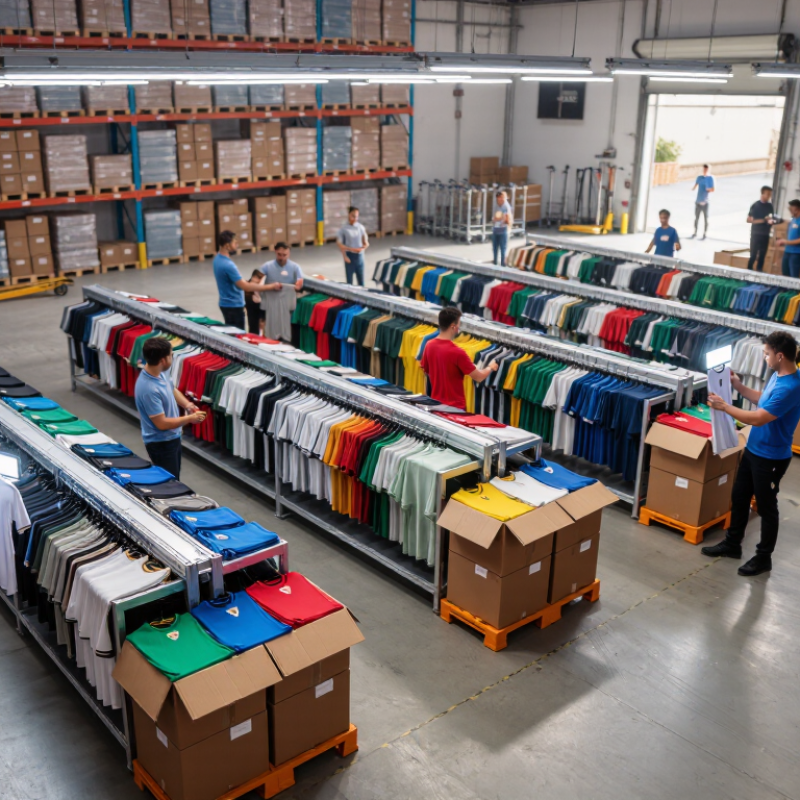
Before ordering football shirts in bulk, define exactly who will wear them and where they will be used. A youth club, school tournament, and corporate event may need different fits, fabrics, and printing. List the number of players, coaches, substitutes, and staff, then estimate quantities by size. Check existing size records where possible; guessing from age alone can lead to poor fits. Add shirt color, sleeve style, material preference, and any names or numbers to the specification. Be precise.
Order volume should reflect confirmed demand, not just the most optimistic headcount. Separate quantities by size and keep a small reserve for late registrations or replacements. A simple spreadsheet helps: include each size, quantity, intended wearer, and delivery deadline. Confirm whether the supplier’s minimum order applies to the total quantity or to each design. This detail can change the budget. Small details matter. Recheck the size breakdown with the group before approving production; even careful estimates can miss a few larger or smaller sizes.
Tips: Ask for a size chart and sample measurements before finalizing quantities. Keep a modest buffer, but avoid ordering extras without a clear use. Record who approved the final count.
| Planning Dimension | Requirement to Define | Practical Starting Point | Illustrative Order Volume | What to Confirm Before Ordering |
|---|---|---|---|---|
| Intended use | Decide whether shirts are for team kits, retail resale, events, schools, or supporter groups. | Choose fabric, decoration, and durability based on how frequently the shirts will be worn and washed. | Team or event orders: often 15–100 pieces. Resale or multi-team orders: commonly 100–500+ pieces. | Ask whether the supplier can meet the required use case, delivery date, and repeat-order needs. |
| Product type | Specify short-sleeve or long-sleeve shirts, adult or youth sizing, and whether shorts or socks are included. | List each item as a separate line in the order specification; do not count a shirt-and-short set as one garment unless agreed. | For a 100-person team order, allow up to 100 shirts, plus separately counted shorts or socks if required. | Confirm exactly what is included in the quoted unit price and whether items are packed as sets. |
| Fabric and performance | Define fiber content, fabric weight if available, fit, breathability, and care requirements. | Lightweight polyester knit is commonly used for sports shirts; request a sample and fabric details before approving bulk production. | One fabric specification per order keeps sampling and production simpler. | Check the garment label details, shrinkage or colorfastness information, and washing instructions. |
| Design and decoration | Provide approved artwork, colors, placement, and any names or numbers. | Submit vector artwork where possible and specify measurements and placement for each decoration. | Keep designs consistent across the order; personalization can require a separate list for every garment. | Approve a pre-production sample or digital proof, including spelling, color, and print or embroidery placement. |
| Size range | Identify adult and youth sizes and collect individual size requests where possible. | Use the supplier's measurement chart rather than assuming sizing is consistent between manufacturers. | For 100 shirts, a draft mix might be 10 XS, 20 S, 30 M, 25 L, 12 XL, and 3 XXL; adjust to actual wearer data. | Confirm garment measurements, size tolerances, and whether all sizes are available in the chosen design. |
| Order quantity and minimums | Set the total quantity by design, color, and size, and ask about minimum order quantities. | Request a written price breakdown for the exact quantity. Minimums vary by supplier, customization, and production method. | Useful quote comparisons: 50, 100, 250, and 500 pieces, if those quantities fit the project. | Check whether minimums apply per design, per color, or to the complete order, and how extra units are priced. |
| Size mix and extras | Decide whether to order spare shirts for replacements, late additions, or expected size changes. | Use confirmed wearer sizes first; consider a small reserve only when the budget and minimums allow. | A reserve of around 2–5% may be considered for organized team or event orders, but is not necessary for every purchase. | Confirm whether spare units can be ordered later and whether a repeat order will match the original fabric and color. |
| Budget and landed cost | Set a per-unit target and total budget, including customization and delivery. | Compare the full landed cost, not just the garment price; include setup charges, packaging, freight, duties, and applicable taxes. | Calculate the budget using the final quantity and a separate line for one-time setup or artwork charges. | Request an itemized quotation with currency, payment terms, shipping method, and any charges that may change. |
| Production and delivery schedule | Set the required in-hand date and work backward from the event or sales launch. | Allow time for sampling, artwork approval, production, shipping, and possible customs processing. | For planning, request the supplier's current lead time for the exact order rather than relying on a general estimate. | Confirm the production start date, dispatch estimate, delivery address, tracking, and process for delays or short shipments. |
| Quality checks | Define acceptable standards for stitching, measurements, print quality, color, and quantity. | Inspect a sample before production and agree how defects or incorrect sizes will be reported and handled. | For larger orders, ask whether a pre-shipment inspection or a documented random check is available. | Record the approved sample, specification, and defect-resolution terms in writing before placing the order. |
| Order documentation | Prepare one final purchase specification covering every variant and delivery requirement. | Include style, color, fabric, size breakdown, decoration, packaging, quantity, unit price, and delivery terms. | Use a size-by-design matrix so that the line-item totals equal the order total. | Check that the invoice, order confirmation, and approved artwork all match before production begins. |
Planning figures are illustrative starting points, not fixed industry requirements. Confirm current minimums, pricing, production capacity, delivery timing, and size availability directly with the supplier before placing a 2026 order.
Check collar stitching, fabric feel, and printed details under ordinary indoor light. Wash one sample and look for fading or loose seams. A sample can still mislead.
Request documentation covering the designs, season, and sales territory. Check that it matches the specific products in your quote. Get unclear details confirmed in writing.
Confirm the business address and registration details independently. Ask for recent trade references, and consider a small trial order. A low price proves little.
Include customization, packaging, freight, insurance, duties, brokerage fees, and local taxes. Exchange rates and extra carton handling can change the total. Estimates can be off.
Request gross weight and carton dimensions before choosing air or sea freight. For 500 shirts, compare low, expected, and high shipping estimates in a spreadsheet.
Ask for separate production, dispatch, transit, and customs timelines. Confirm whether the quoted delivery time includes manufacturing and border processing. Leave a buffer.
Put sizes, colors, fabric, print positions, packing method, and delivery date in writing. Approve a pre-production sample and set tolerances for stitching and color variation. Details matter.
Photograph sealed cartons and compare labels with the order. Count units by size and color, then inspect a planned sample for seams, prints, and measurements. Check more than the top carton.
Agree in advance how to document shortages and defects, and how they will be resolved. Keep the quote, sample notes, and messages together. I sometimes compare prices too quickly; that deserves a pause.
Buying Football Shirts in bulk in 2026 starts with defining who the shirts are for, which sizes and styles are needed, and how many units to order. A clear specification helps you compare sourcing options and wholesale suppliers on product range, minimum order quantities, communication, and reliability. Before committing, request samples where possible and check materials, stitching, sizing consistency, licensing documentation, and supplier credentials.
Next, calculate the full cost rather than focusing only on the unit price. Include customization, packaging, shipping, applicable import duties, and other fees, then compare estimated delivery times against your schedule. Confirm the order details, payment terms, production timeline, and delivery arrangements in writing. When the shipment arrives, inspect quantities, sizes, workmanship, and packaging promptly, and record any differences from the agreed specifications. Careful planning and checks at each stage can help make a bulk purchase more predictable and ensure the shirts suit your intended needs.
