
Choosing a China Top Cricket Team Shirts Supplier requires more than comparing prices and catalogue photos. The right partner understands cricket movement, weather, team identity, and repeated washing. A shirt may look impressive online. It still needs to perform under pressure.
Sportswear product-development specialist Dr. Louise Kidd says, “A cricket shirt should feel almost invisible when the match becomes demanding.” That principle guides serious sourcing decisions. Look for breathable polyester, stable stitching, comfortable collars, and fabric that resists colour fading. Details matter. A player notices them quickly.
Reliable suppliers should provide fabric specifications, size charts, decoration samples, and clear production timelines. Ask how they manage sublimation printing, embroidery, sponsor placement, and replacement orders. Sample testing can reveal rough seams, uneven logos, or poor moisture control before bulk production begins. Factory audits, inspection reports, and documented quality checks also support trust. These steps help buyers evaluate Cricket Team Shirts with greater confidence.
China offers strong manufacturing capacity and flexible customization. However, not every supplier delivers consistent results. Low prices may conceal weak fabric or rushed finishing. Even experienced buyers sometimes focus too heavily on appearance. That is worth reconsidering. A professional supplier should discuss practical limits, including minimum order quantities, colour matching, delivery risks, and compliance requirements. No production process is flawless. Honest communication matters more than exaggerated promises.
The strongest supplier relationship develops through samples, feedback, and measured improvement. Teams should compare comfort after training, not only the first impression. A dependable China Top Cricket Team Shirts Supplier becomes valuable when quality remains stable across seasons, sizes, and repeat orders. Performance comes first. Branding follows.
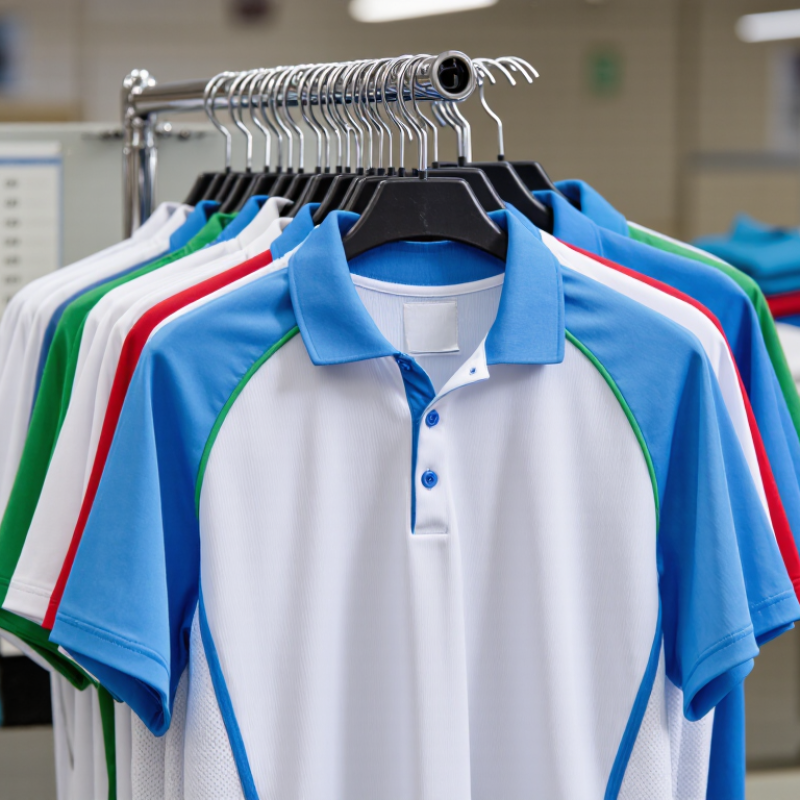
China Top Cricket Team Shirts Supplier
A cricket team shirts supplier designs, produces, and delivers clothing for organized cricket teams. The role includes fabric selection, pattern development, printing, embroidery, quality checks, and shipment planning. A capable supplier does more than sell shirts. It helps a team turn colors, numbers, and local identity into practical matchwear.
In China, experienced suppliers often support custom orders for clubs, schools, academies, and tournament organizers. They may offer breathable polyester, reinforced seams, moisture control, and flexible sizing. These details matter during long innings and repeated washing. A reliable supplier confirms artwork before production, checks player names carefully, and provides a sample for approval. Small errors can become expensive when an entire squad receives the wrong lettering.
Good communication is part of professional service. A supplier should explain minimum order quantities, production times, fabric weight, color limits, and replacement policies in clear language. It should also provide inspection photos or measured samples when appropriate. However, no supplier gets every decision right. Color matching may vary slightly between screens and fabric. Sizing charts can also confuse players if measurements are not explained. Careful buyers should test one sample, compare the stitching, and record feedback before placing a larger order. Experience helps, but honest checking remains necessary.
China Top Cricket Team Shirts Supplier
Chinese cricket shirt manufacturers offer more than standard match jerseys. Their key products include playing shirts, training tops, team polos, and youth cricket kits. Match shirts commonly use lightweight polyester interlock fabric. This structure supports airflow during long innings. Moisture-wicking finishes help move sweat away from the skin.
Custom sublimated shirts are widely available. Designs can include player numbers, team colors, sleeve panels, and tournament graphics. Sublimation keeps artwork embedded in the fabric. It usually resists peeling after repeated washing. However, very pale colors may show grass stains more easily. That detail deserves practical testing before bulk production.
Training ranges often include quarter-zip tops, sleeveless vests, and lightweight trousers. Manufacturers can add mesh panels beneath the arms for extra ventilation. Many suppliers also produce matching caps, socks, and protective inner layers. Reliable factories normally provide size charts, fabric samples, pre-production samples, and inspection records. Experienced buyers should check stitching around the shoulder and underarm areas. These points receive heavy movement during bowling and batting.
Product quality can vary between factories. A polished sample does not always represent every production batch. Clear measurement sheets and written color references reduce misunderstandings. Some suppliers respond quickly but need closer quality supervision. Careful communication remains essential.
Chinese cricket shirt manufacturers commonly supply match shirts for Test, One-Day International (ODI), and Twenty20 (T20) cricket, together with training and youth teamwear. The chart compares the regulated overs per innings for the two limited-overs formats: ODIs use 50 overs per side, while T20 matches use 20 overs per side. Test cricket has no fixed innings-over limit, so it is not represented by a numerical bar.
China Top Cricket Team Shirts Supplier: Materials, Designs, and Customization Options
A reliable cricket shirt supplier should explain fabric performance, not only show attractive samples. Polyester remains the dominant global fiber, according to Textile Exchange’s 2024 Materials Market Report. Grand View Research estimated the sports apparel market at about US$203 billion in 2023. This scale increases material choices, but it can also hide quality differences. Lightweight recycled polyester can reduce virgin fiber use. However, recycled content alone does not guarantee comfort or durability. Fabric density, air permeability, colorfastness, and seam strength need laboratory testing.
Modern cricket shirts often use mesh panels beneath the arms and along the sides. These areas improve airflow during long innings. Sublimation printing supports detailed patterns without heavy surface layers. Embroidery suits collars and training jackets, but it may feel uncomfortable on lightweight match fabric. Suppliers can also adjust sleeve length, collar shape, player names, numbers, sizing, and packaging. My practical concern is simple: highly detailed artwork may look impressive digitally, yet lose clarity after repeated washing. Physical samples matter.
Tips: Request a pre-production sample. Test it after five washes. Check shrinkage, color bleeding, seam movement, and drying speed. Ask for fabric composition certificates and test reports from an independent laboratory. Confirm size measurements in centimeters, not only standard labels. A clear measurement chart prevents costly team-wide replacements. According to the 2024 McKinsey sporting goods report, industry growth remains competitive, so dependable customization and consistent delivery can matter as much as low pricing.
| Product Dimension | Common Options | Key Specifications | Performance Benefits | Customization Options | Recommended Use |
|---|---|---|---|---|---|
| Main Fabric | Polyester interlock, polyester mesh, recycled polyester | Lightweight knitted fabric with a smooth face; mesh versions provide additional ventilation | Quick drying, wrinkle resistance, durability, and easy care | Fabric weight, knit structure, recycled-fiber content, and color selection | Training shirts, match jerseys, school teams, and club uniforms |
| Fabric Weight | Approximately 120–180 g/m² | Lower weights improve airflow; higher weights offer a more substantial hand feel | Allows the shirt to be matched to climate, activity level, and playing conditions | Different weights for body panels, side panels, and inserts | Lightweight warm-weather kits or more structured team apparel |
| Moisture Management | Moisture-wicking finish, breathable knit, ventilated mesh panels | Performance depends on fiber construction, fabric finish, and garment design | Helps move perspiration away from the skin and supports player comfort | Wicking treatment, mesh placement, and ventilation-zone design | Outdoor matches, intensive practice, and tournament uniforms |
| Neckline | V-neck, crew neck, rib-knit collar, stand collar | Collars can be made from matching fabric or rib material | Provides different levels of comfort, structure, and visual style | Neck shape, collar color, contrast piping, and collar label | Traditional team shirts, modern performance jerseys, and fan editions |
| Sleeve Design | Short sleeve, raglan sleeve, set-in sleeve, contrast sleeve panel | Raglan construction increases shoulder mobility; set-in sleeves create a classic silhouette | Supports a comfortable range of motion during bowling, batting, and fielding | Sleeve length, cuff finish, panel color, and printed details | Competitive cricket and general athletic training |
| Graphic Method | Sublimation printing, screen printing, heat transfer, embroidery | Sublimation integrates graphics into suitable polyester fabric; other methods add surface decoration | Enables team colors, patterns, names, numbers, and competition graphics | All-over prints, gradient effects, player personalization, and artwork placement | Full custom uniforms, limited runs, and coordinated team collections |
| Color System | Solid colors, two-tone layouts, gradients, geometric patterns | Color appearance may vary slightly according to fabric, lighting, and production method | Creates a recognizable team identity and coordinated appearance | Custom color references, contrast panels, sleeve accents, and trim colors | Team identity programs, school competitions, and event apparel |
| Personalization | Player name, shirt number, squad number, sponsor space | Text and numbers can be applied to the front, back, sleeves, or chest areas | Supports roster management and individual player identification | Font style, placement, size, color, and application method | Official match kits, tournament teams, and supporter merchandise |
| Fit Options | Regular fit, athletic fit, relaxed fit, youth sizing | Size ranges should be confirmed with a measurement chart and sample fitting | Improves mobility and helps accommodate different body shapes and age groups | Body length, sleeve proportions, side-panel shape, and size grading | Adult teams, junior teams, academies, and mixed-size orders |
| Seam Construction | Overlock seams, coverstitch seams, reinforced shoulder seams | Construction should be selected according to fabric stretch and intended activity | Enhances comfort, seam stability, and resistance to repeated movement | Thread color, seam reinforcement, bartacks, and label placement | Frequent training, match play, and repeated commercial laundering |
| Labels and Trims | Printed care label, woven size label, heat-transfer neck label | Printed labels reduce bulk; woven labels provide a traditional textile finish | Supports garment identification and care instructions while improving comfort | Size system, care information, neck branding area, and packaging labels | Private-label teamwear and organized uniform distribution |
| Care Requirements | Machine wash cold or warm, mild detergent, air dry when possible | Follow the garment care label; avoid excessive heat and harsh bleach | Helps preserve color, print quality, fabric performance, and garment shape | Custom care-label language and packaging care instructions | Long-term teamwear programs and repeated-use uniforms |
| Sampling Process | Digital artwork review, size sample, pre-production sample | Sampling helps verify measurements, colors, artwork placement, and construction | Reduces production errors before bulk manufacturing | Sample size, artwork revisions, fabric selection, and approval comments | Custom orders requiring accurate fit and visual approval |
| Packaging | Individual polybag, size-sorted cartons, recyclable packaging options | Packaging can be organized by size, player, team, or delivery batch | Simplifies inventory handling and distribution to players | Carton marks, size stickers, individual name labels, and packaging materials | Team deliveries, retail-ready orders, and multi-location distribution |
A reliable cricket team shirt supplier in China needs more than attractive samples. Quality begins with measurable controls. Production teams should test fabric weight, stretch recovery, colorfastness, seam strength, and dimensional stability. These checks matter after repeated washing and intense match use. For cricket, breathable panels, durable collars, and secure stitching require close attention.
The Textile Exchange 2024 Materials Market Report recorded global fiber production at 124 million tonnes in 2023. Polyester represented 57% of that output. This figure highlights the need for responsible fiber selection and traceability. Experienced Chinese factories can support sublimation printing, embroidery, automated cutting, and multi-stage inspections. Digital tech packs also reduce measurement errors between sampling and bulk production. ISO 9001-based quality systems can strengthen documentation, corrective actions, and supplier accountability. However, certification alone cannot guarantee every shipment. Practical factory audits still matter.
No factory is flawless. A missed tolerance can affect sleeve balance or sponsor-free team graphics. Suppliers should report defects honestly and explain corrective actions. That transparency is a stronger reliability signal than polished presentations.
Tips: Request a pre-production sample and a signed measurement chart. Ask for test results from an independent laboratory. Approve a sealed reference sample before bulk cutting. Keep a small reserve for post-wash checks. Some teams skip this step. They often regret it.
China Top Cricket Team Shirts Supplier
Selecting a reliable cricket team shirts supplier requires more than comparing prices. Request a physical sample before confirming bulk production. Check fabric weight, stretch recovery, seam strength, and color consistency under daylight. A dependable supplier should provide measurable specifications, not vague claims. Textile Exchange’s 2024 Materials Market Report states that polyester represented about 59% of global fiber production in 2023. This supports its common use in lightweight, moisture-managing sportswear. However, recycled content can vary greatly. Ask for valid material documentation and traceability records.
Review the supplier’s quality process carefully. Ask whether shirts undergo colorfastness testing, dimensional stability checks, and repeated washing trials. Standards such as ISO 105-C06 and ISO 6330 offer useful testing references. Confirm size charts using actual garment measurements. A small sleeve error can affect players during bowling. Production capacity also matters. Request a written timeline covering artwork approval, sampling, manufacturing, inspection, and shipping. One overlooked delay can disrupt an entire tournament schedule.
Tips: Start with a small trial order. Inspect every size. Compare the approved sample with packed shirts. Keep written records of fabric composition, logo placement, tolerances, and replacement terms. A perfect sample can still hide inconsistent cutting. That is why independent pre-shipment inspection remains worth considering, even when the supplier seems experienced.
It handles fabric selection, design development, printing, embroidery, quality checks, and shipment planning. Small details matter.
Breathable polyester is common, especially with mesh panels under the arms and along the sides. Lightweight fabric can dry faster. Recycled content may reduce virgin fiber use, but it does not guarantee durability.
Teams can adjust colors, patterns, sleeve lengths, collars, player names, numbers, sizes, and packaging. Highly detailed artwork may lose clarity after washing.
Screen colors can differ from fabric colors. A sample reveals stitching, lettering, fit, fabric weight, and printing clarity. Digital approval alone may be a mistake.
Wash the sample five times. Check shrinkage, color bleeding, seam movement, drying speed, and comfort. Record player feedback before production.
Suppliers should check fabric weight, stretch recovery, colorfastness, seam strength, and dimensional stability. Collars and sleeve seams need close attention during repeated use.
Request measurements in centimeters, not only standard size labels. Use a signed measurement chart and compare it with a sealed reference sample. Sizing charts can still confuse players.
Ask about minimum quantities, production time, fabric composition, color limits, inspections, and replacement policies. Request inspection photos or measured samples when suitable. No factory is flawless.
A cricket team shirts supplier provides organized teams, clubs, schools, and event groups with professionally made uniforms designed for comfort, performance, and a consistent team identity. Chinese cricket shirt manufacturers typically offer playing shirts, matching trousers, training tops, jackets, caps, and other teamwear accessories. Their products can be produced with breathable polyester, moisture-wicking fabrics, lightweight mesh panels, and durable stitching to support long hours of training and competition.
Customers can usually choose from different colors, collar styles, sleeve designs, patterns, player numbers, names, and team logos. Reliable suppliers should provide clear artwork confirmation, sample approval, stable production capacity, accurate sizing, and consistent quality control. When selecting a supplier, buyers should evaluate material quality, customization flexibility, communication efficiency, production timelines, packaging standards, and after-sales support. A dependable Cricket Team Shirts supplier should balance competitive pricing with professional workmanship, helping teams receive comfortable, attractive, and durable uniforms that meet their practical and visual requirements.
