
GoldenLeaf Sports14+ Years Teamwear Manufacturer · Shenzhen, China

What Are Logo Shirts and Which Type Is Best?

Time:2026-09-24 Author:Isabella
0%

Logo Shirts are more than garments with a symbol printed across the chest. They combine fabric, decoration, fit, color, and brand recognition. A well-made shirt can turn a simple logo into a memorable walking impression. A poorly chosen one can make a respected business look careless.

Branding expert Marty Neumeier wrote, “A brand is a person’s gut feeling about a product, service, or organization.” That idea matters when choosing Logo Shirts. The logo may be technically accurate, yet the shirt can still feel wrong. A heavy cotton shirt may suit workwear, while a lightweight blend may perform better at outdoor events. Screen printing usually works well for bold designs and larger quantities. Embroidery adds texture and durability, but detailed artwork can lose clarity. Direct-to-garment printing preserves complex images, though fabric color and wash care affect the result.

There is no universal winner.

The best type depends on purpose, audience, budget, and expected wear. For a staff uniform, comfort and repeated washing deserve priority. For a promotional giveaway, cost and quick production may matter more. For premium merchandise, fabric weight, stitching, and restrained placement create stronger value. I would not pretend that the cheapest option is always practical, or that the most expensive shirt guarantees trust. Testing one sample helps expose fading, twisting, rough seams, and poor sizing before a larger order. Even careful choices can miss the mark. That is why comparing real samples, not only digital previews, remains one of the most reliable steps in selecting Logo Shirts.
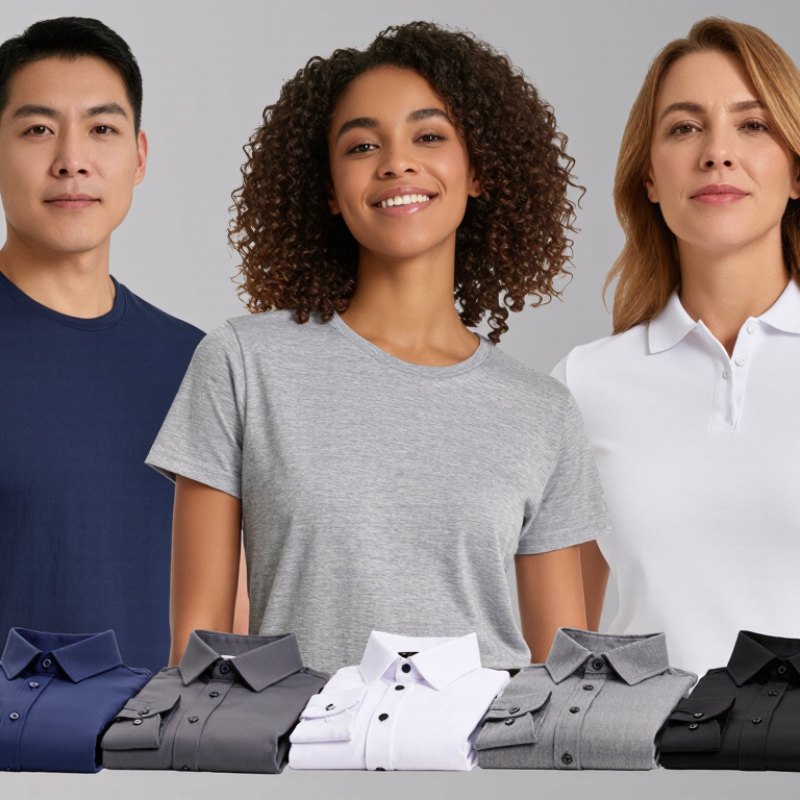
What Are Logo Shirts and Which Type Is Best?

What Defines a Logo Shirt?

A logo shirt is more than a T-shirt with artwork. It is a wearable product carrying a recognizable name, symbol, phrase, or visual mark. The logo may be screen-printed, embroidered, heat-transferred, or woven into the fabric. Its identity depends on consistency: correct proportions, readable lettering, controlled colors, and placement that survives movement. A small chest mark feels restrained, while a large back graphic creates stronger street visibility. In practice, the shirt becomes a communication surface.

Industry data supports that practical value. The Promotional Products Association International reported that the United States promotional products market reached approximately 26.1 billion dollars in 2023. The Advertising Specialty Institute’s 2023 impressions study also found that promotional products can generate thousands of monthly impressions. These figures do not make every logo shirt effective. A blurred print, weak fabric, or uncomfortable collar can damage recognition quickly. That part is often overlooked.

The best type depends on wear, audience, and logo complexity. Embroidery suits small, simple marks on heavier cotton or workwear. Screen printing usually handles bold graphics and larger quantities efficiently. Heat transfers help with detailed artwork, but poor application may crack after repeated washing. Before choosing, check the logo at actual size, test color contrast, and wash a sample at least three times. I have found that the “best” shirt is sometimes not the most attractive one. It is the one people willingly wear again.

Common Styles and Fabrics Used for Logo Shirts

Logo shirts range from simple chest-print tees to embroidered polos, work shirts, and all-over designs. The best style depends on where it will be worn. A soft cotton tee suits casual events, while a polo’s collar looks neater in customer-facing settings. For uniforms used outdoors, consider a heavier knit or a lightweight performance fabric. Small details matter: a dense chest logo may feel stiff on thin fabric, and pale colors can show stains quickly.

Fabric choice affects comfort, appearance, and care. Textile Exchange’s Materials Market Report 2023 estimated that polyester made up about 57% of global fiber production in 2022, while cotton represented roughly 22%. These figures describe the wider textile market, not logo shirts specifically. Cotton feels breathable against skin, but it can shrink or crease. Polyester dries quickly and holds its shape, though some wearers find it less comfortable in heat. Blends can balance these traits, but the result varies with knit, weight, and finishing. There is no perfect fabric.

Tips: Request a sample before ordering. Check the logo after washing, and feel the inside where the print or embroidery sits. A small test can catch problems. Also compare fabric weight and care instructions, not just color; I’ve seen a good-looking sample feel too warm during a full work shift.

What Are Logo Shirts and Which Type Is Best? - Common Styles and Fabrics Used for Logo Shirts
Shirt Type Typical Style Common Fabrics Logo Decoration Options Best Suited For Key Considerations
Crew-Neck T-Shirt Short-sleeved, round neckline; available in regular, relaxed, and fitted cuts. Cotton, cotton-polyester blends, and polyester. Screen printing, direct-to-garment printing, heat transfer, and embroidery for smaller designs. Casual uniforms, events, merchandise, and everyday promotional wear. Soft cotton is comfortable and breathable, while synthetic blends often dry faster. Fabric weight and surface texture can affect print appearance.
Polo Shirt Collared shirt with a short button placket; usually made with a textured knit. Cotton piqué, polyester piqué, and cotton-polyester blends. Embroidery is commonly used on the chest; printing is also possible on suitable fabrics. Customer-facing staff, office-casual uniforms, and team apparel. Piqué texture gives the fabric structure. Embroidery works well for compact logos, but dense stitching may feel heavy on lightweight fabric.
Long-Sleeve T-Shirt Casual T-shirt silhouette with sleeves extending to the wrists. Cotton, cotton-polyester blends, and lightweight performance polyester. Screen printing, direct-to-garment printing, heat transfer, and sleeve or chest embroidery. Cool-weather events, casual workwear, and layered outfits. Offers more room for sleeve graphics. Check print placement and sleeve proportions across the size range.
Performance Shirt Sport-oriented cut, often with moisture-managing construction and a lightweight feel. Polyester, polyester-spandex blends, and other synthetic performance knits. Heat transfer and screen printing designed for synthetic fabric; embroidery may suit small, lightweight designs. Sports teams, outdoor activities, fitness events, and active staff. Quick-drying properties vary by fabric construction. Some synthetic surfaces need decoration methods and inks suited to polyester.
Sweatshirt Long-sleeved pullover, commonly with a crew neckline and ribbed cuffs and hem. Cotton, cotton-polyester fleece, and French terry. Screen printing, embroidery, and heat transfer. Cool-weather uniforms, clubs, schools, and casual merchandise. Fleece adds warmth and thickness. Large or dense embroidery can make a heavy garment feel stiffer at the decoration area.
Hooded Sweatshirt Pullover or zip-front sweatshirt with a hood; may include a front pocket. Cotton-polyester fleece, cotton fleece, and French terry. Chest or back screen printing, embroidery, and heat transfer. Casual team apparel, outdoor events, and layered workwear. Allow space for the hood, pocket, and zipper when choosing logo placement. Fabric thickness can influence print and stitch results.
Button-Front Woven Shirt Collared shirt with a full button front; available in short- or long-sleeved versions. Cotton poplin, cotton twill, and polyester-cotton woven fabrics. Chest embroidery is common; suitable woven fabrics can also be printed or heat decorated. Uniforms, hospitality, retail, and more formal work settings. Woven fabrics have a smoother, less stretchy surface than knits. Consider seams, pockets, and buttons when positioning a logo.
Quick Selection Guide There is no single best type for every use. Choose fabric based on comfort, climate, activity, and care requirements. Match the decoration method to the garment fabric, logo detail, and intended wear. T-shirts suit casual use; polos suit smart-casual uniforms; performance shirts suit active settings. Request a sample when possible, and check sizing, color consistency, washing instructions, and decoration durability before ordering.

How Logos Are Printed or Embroidered on Shirts

Logo shirts are everyday garments marked with a design, name, symbol, or custom message. The logo may appear on the chest, sleeve, back, or collar. Its production method affects texture, durability, color, and cost. A carefully chosen method makes the shirt feel intentional, not merely decorated.

Screen printing pushes ink through a fine mesh stencil onto fabric. It works well for bold designs and larger orders. The ink sits slightly above the cotton, creating a familiar raised feel.

Direct-to-garment printing sprays pigment into the fibers. It handles detailed artwork and many colors, but dark fabrics may require a preparation layer.

Heat transfer applies a printed film with pressure and heat. I find it useful for small batches, although thick films can feel stiff.

Embroidery uses a needle and thread instead of ink. It suits polos, jackets, caps, and simple logos with clear shapes. Dense stitching can add weight, while tiny letters may lose definition.

I once approved a sample without checking the logo at arm’s length. The details looked clean up close, but they blurred during normal wear. That mistake changed my process. I now test the actual fabric, wash a sample, and inspect thread tension before production.

Cotton, polyester, and blended fabrics each react differently. Even the shirt’s weave matters. A soft shirt can expose rough printing more clearly. Fresh samples help, but real use reveals more.

Factors That Affect a Logo Shirt’s Comfort and Durability

What Are Logo Shirts and Which Type Is Best?

A logo shirt combines a garment with printed, embroidered, or woven artwork. Its comfort depends on more than the design. Fabric choice matters greatly. Soft cotton feels breathable against warm skin. However, thin cotton can lose shape after repeated washing. A cotton-polyester blend often dries faster and resists shrinking. It may feel less natural, though.

Fabric weight also changes daily comfort. Lightweight material suits summer work or outdoor events. Heavier fabric feels sturdier but can trap heat. Check the collar and shoulder seams carefully. Flat seams reduce rubbing around the neck and underarms. A relaxed cut allows easier movement, while a tight cut can make printed areas stretch. Fit is personal.

Durability comes from both construction and decoration. Dense stitching usually survives washing better than loose embroidery. Screen printing can remain sharp when cured properly. Poor curing may cause cracks after only a few washes. Wash logo shirts inside out with cool water. High heat often damages fibers and printed surfaces. Air drying is gentler than a hot dryer.

I once chose a heavy shirt because it felt premium. It became uncomfortable during a long workday. That choice was not completely wise. Before buying, inspect the fabric, seam strength, collar recovery, and logo finish. A practical logo shirt should feel comfortable before it looks impressive.

How to Choose the Best Logo Shirt for Your Needs

Choosing a logo shirt starts with its job. A uniform needs comfort through repeated washing; an event shirt needs clear visibility from several feet away. For daily wear, check fabric weight, seam strength, and fit while sitting and reaching. A shirt that looks sharp on a hanger may feel restrictive during a full shift. Small details matter.

Decoration should match the artwork and fabric. Screen printing can suit bold, repeated designs, while embroidery gives a raised finish but may feel heavy on lightweight fabric. The Grand View Research report on custom T-shirt printing estimated the global market at about $5.09 billion in 2023, with projected growth through 2030. That market signal suggests broad demand, not that any one printing method is best. Ask a supplier for a sample and wash it before ordering in volume.

Consider the wearer, too. A soft cotton blend may feel comfortable, while moisture-wicking fabric can work better for active tasks. Check whether the logo stays legible against the shirt color, especially under indoor lighting. Then confirm size options and replacement availability. A perfect logo cannot fix a poor fit. I would also ask how the garment should be washed; this step is easy to overlook, and instructions are not always followed.

FAQS

What is a logo shirt?

It is a wearable shirt featuring a recognizable name, symbol, phrase, or visual mark. The logo can be printed, embroidered, transferred, or woven into the fabric.

What makes a logo easy to recognize?

Keep its proportions, lettering, colors, and placement consistent. Check that the design remains readable when the wearer moves.

How does logo placement affect the shirt’s look?

A small chest mark feels subtle. A large back graphic is more visible from a distance.

Which decoration method suits a simple, small logo?

Embroidery often works well on heavier cotton or workwear. On thin fabric, dense stitching may feel stiff.

When is screen printing a practical choice?

It usually suits bold graphics and larger orders. Check the print quality, since blurred artwork can weaken recognition.

What should I check before choosing a heat transfer?

Inspect detailed artwork at its actual size. Wash a sample several times; a poorly applied transfer may crack.

Which fabric is best for a logo shirt?

There is no perfect fabric. Cotton feels breathable but can shrink or crease, while polyester dries quickly and holds its shape.

How should I choose a shirt style for its setting?

A soft cotton tee suits casual events. A polo looks neater with customers, while outdoor uniforms may need heavier or performance fabric.

What should I test before placing an order?

Request a sample, wash it at least three times, and check the logo and fabric feel. The shirt may look good yet feel too warm during a full shift.

Why does comfort matter for a logo shirt?

People are more likely to wear a comfortable shirt again. A stiff print, scratchy inside, or uncomfortable collar can put them off.

Conclusion

Logo Shirts are garments decorated with a recognizable name, symbol, message, or custom design, making them useful for personal expression, group identity, events, and workplace clothing. They are available in many styles, including T-shirts, polos, sweatshirts, button-up shirts, and performance tops. Common fabric choices include cotton for softness, polyester for moisture control and durability, and blended materials for balanced comfort. Depending on the desired appearance and purpose, logos may be screen printed, digitally printed, heat transferred, or embroidered. Each method offers different results in terms of texture, color detail, cost, and resistance to washing.

The comfort and lifespan of a logo shirt depend on fabric quality, fit, stitching, decoration placement, and care requirements. A well-designed shirt should allow easy movement, feel comfortable against the skin, and maintain its shape and logo after repeated use. When choosing the best option, consider the intended activity, climate, audience, budget, preferred style, and required level of durability. Selecting the right combination of material, decoration method, and fit ensures the shirt looks professional while remaining practical and comfortable.

Isabella

Isabella

Isabella is a dedicated marketing professional with a sharp focus on driving brand growth and engagement through strategic content creation. With an extensive background in digital marketing, she combines her passion for storytelling with her keen understanding of industry trends to deliver......