
GoldenLeaf Sports14+ Years Teamwear Manufacturer · Shenzhen, China

What Type of Basketball Shirts Is Best for Teams?

Time:2026-10-09 Author:Madeline
0%

Choosing the right Basketball Shirts can shape how a team looks, moves, and feels during competition. A strong design must handle sweat, repeated washing, quick transitions, and constant contact. Appearance matters, but comfort decides whether players forget the shirt is there.

Dr. Karen B. Leonas, a textile science expert, emphasizes that “performance apparel must balance comfort, fit, and function.” Her view offers a useful starting point for team uniform decisions. Polyester remains popular because it dries quickly and supports vibrant printing. Mesh panels can improve airflow across the back and underarms. However, very thin fabric may feel less durable after a demanding season.

Fit requires careful testing. A loose shirt can catch during movement, while a tight cut may restrict shooting and defensive slides. Players should raise their arms, bend their shoulders, and run before approving a full order. Small details matter.

Still, no shirt works perfectly for every roster. Different body shapes, climates, budgets, and league rules can change the best choice. This is where many teams make mistakes. They select a striking sample, then overlook stitching, neckline comfort, or wash performance.

The most reliable approach combines player feedback, fabric testing, and supplier transparency. Ask for size charts, production samples, care instructions, and replacement policies. The best Basketball Shirts are not simply attractive. They support movement, reflect team identity, and remain dependable when the game becomes intense.
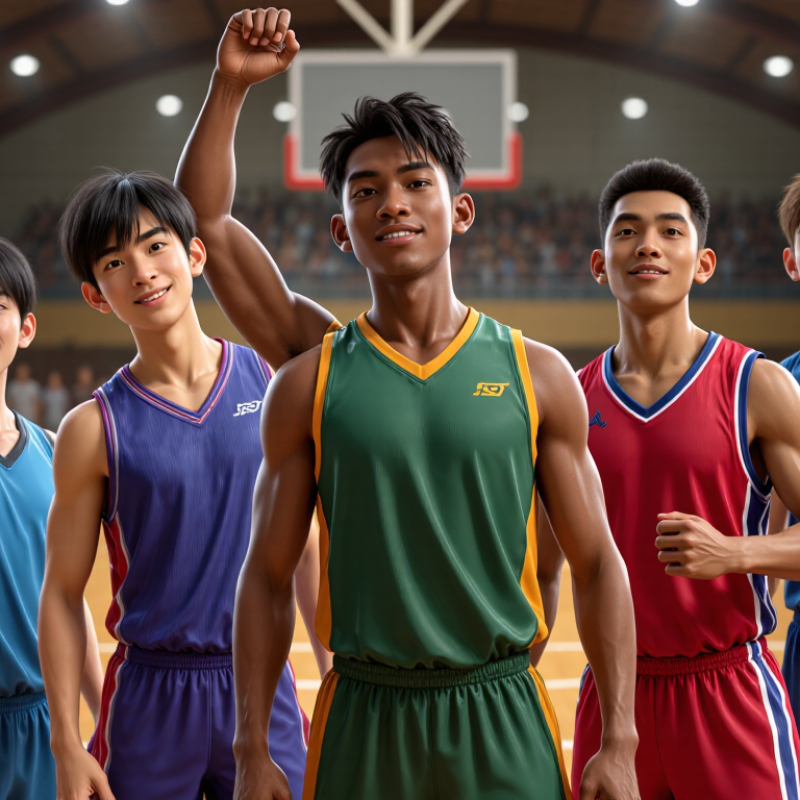
What Type of Basketball Shirts Is Best for Teams?

Basketball Shirt Types and Their Core Differences

What Type of Basketball Shirts Is Best for Teams?

Basketball shirt types differ in fabric, printing method, fit, and game performance. A team should compare these details before choosing uniforms. Standard mesh shirts offer strong airflow during fast play. They feel light when players sweat. However, loose mesh can catch on opponents or look untidy during contact.

Sublimated shirts use heat to place graphics inside the fabric. Numbers and patterns usually resist peeling, cracking, and fading. This option suits teams wanting detailed designs or frequent washing. Screen-printed shirts feel familiar and often cost less for small orders. Their surface print may wear sooner, especially after repeated high-heat drying. Reversible shirts provide two colors in one garment. They save space during away games, but the extra fabric can feel warmer. Shooting shirts are useful for warmups, though they are not designed for full-speed play.

Tips: Check the size chart with shoulder width and chest measurements. Ask for a sample if possible. Test the shirt while raising both arms. Numbers should remain visible when a player bends or reaches. Choose moisture-managing fabric for humid gyms. For colder halls, a slightly heavier blend may feel more comfortable. Avoid judging quality by appearance alone. I once preferred a softer shirt, but its seams rubbed the shoulders after ten minutes. That small detail changed the practical choice. Also inspect stitching around the armholes, because weak seams can fail before the print does.

Key Factors for Choosing Team Basketball Shirts

What Type of Basketball Shirts Is Best for Teams?

Choosing team basketball shirts requires more than matching colors. Fit, fabric, movement, and durability affect player comfort throughout a game. A good shirt should feel secure across the shoulders without restricting shooting or passing. Players also need enough length to keep the shirt tucked during quick movements.

Breathable polyester blends are practical for intense training and competition. They pull moisture away from the skin and dry faster than heavy cotton. Flat seams can reduce rubbing around the neck and arms. Check the fabric under bright gym lights, too. Some colors become less clear from the stands. Clear numbers and strong contrast help referees, coaches, and spectators identify players quickly.

Fit testing is essential. Have players run, jump, and raise both arms before ordering the full set. I once chose a lighter material that felt excellent in the store but became clingy during humid practices. That mistake changed my view of “breathable” fabric. Sizing also varies between suppliers, so measurements matter more than familiar labels. Review league rules for number placement, color restrictions, and approved designs. Team shirts should represent the group, but performance comes first. Personal preference still matters. Some players may need longer cuts or wider arm openings. That detail is easy to overlook.

How Fabric and Fit Affect Player Performance

A basketball shirt should help players move, cool down, and stay comfortable through repeated sprints. In team fittings, I have noticed that fabric choice changes more than appearance. Lightweight polyester blends can wick sweat from the skin and dry quickly between possessions. Mesh panels may improve airflow around the back and sides. However, very open mesh can snag or feel cold during warm-ups. Breathability matters. A shirt that stays wet becomes heavy and distracting.

Fit controls movement just as strongly. The armholes should allow a full shooting motion without exposing too much of the torso. The body should sit close enough to avoid catching on an opponent, but not squeeze the ribs. A slightly longer hem can keep the shirt tucked during defensive slides. Players with broad shoulders may need a different cut, not simply a larger size. That distinction is easy to miss.

During practice, test shirts after ten minutes of drills, not only in front of a mirror. Check shoulder rotation, underarm rubbing, and fabric cling when sweat builds. Flat seams can reduce irritation, though they do not suit every player equally. I once preferred an ultra-light shirt, then found its thin fabric distracting under strong ventilation. Comfort is personal. Coaches should collect player feedback before ordering a full set. Measurements can still be wrong. A small trial run often prevents expensive fitting problems.

Design, Customization, and Team Identity Considerations

What Type of Basketball Shirts Is Best for Teams?

The best basketball shirt balances movement, comfort, and a clear team identity. In practice, lightweight polyester usually performs well during fast games. It dries quickly and handles repeated washing better than heavy cotton. However, fabric alone cannot solve poor sizing. A shirt that pulls across the shoulders can restrict shooting motion. Test sample sizes with players before placing a full order. Check the arm openings, neckline, and side seams carefully. Small fitting problems become obvious after twenty minutes on court.

Design should support recognition from the bleachers. Use strong contrast between the shirt and printed numbers. Keep numbers large, readable, and placed consistently. A reversible shirt can help teams manage home and away colors. Custom details might include player names, a meaningful symbol, or a local color. Avoid overcrowding the design. Too many graphics can weaken the team’s visual identity. I once saw a beautiful mockup fail because the numbers disappeared under bright gym lights. That mistake was avoidable. Ask players for feedback, not only coaches. Their preferences may reveal practical issues that designers miss. A polished design is useful, but it should still feel like the team wearing it.

Comparing Durability, Comfort, and Cost for Team Use

What Type of Basketball Shirts Is Best for Teams?

For most teams, lightweight polyester shirts offer the best balance of durability, comfort, and cost. A breathable mesh body helps sweat escape during intense practices and games. Look for reinforced shoulder seams and a secure neck opening. These details matter after repeated washing, stretching, and contact with opponents. A medium-weight fabric may feel less fragile than ultra-thin material. However, it can become uncomfortable in warm gyms. Players should test movement before ordering a full set.

Cost should be measured across an entire season, not at checkout. I once chose a cheaper shirt with weak stitching. Several hems loosened within weeks, so replacement costs erased the savings. A reliable team shirt should keep its shape, color, and printed numbers after frequent washing. Still, premium construction is not always necessary for younger teams or short competitions. Ask about size exchanges, care instructions, and expected washing performance. These small checks can prevent expensive mistakes.

Tips: Choose a breathable fabric with some stretch. Check the stitching around armholes and side panels. Wash one sample before placing a team order. Compare cost per season, not cost per shirt. Leave enough room for shoulder movement, but avoid overly loose cuts that snag during play.

What Type of Basketball Shirts Is Best for Teams? - Comparing Durability, Comfort, and Cost for Team Use

Typical specifications and team-use cost ranges for commonly used basketball shirt fabrics

Shirt Type Typical Fabric Durability
Score / 5
Comfort
Score / 5
Breathability
Score / 5
Typical Drying
Time*
Estimated Team Cost
per Shirt (USD)
Best Team Use
Basic Polyester Mesh 100% polyester mesh, usually 120–150 g/m² 4 3 5 1–2 hours $8–$18 Large youth teams, practice kits, and budget-focused uniforms
Performance Polyester Moisture-wicking polyester, usually 130–170 g/m² 4 4 4 1–2 hours $12–$28 Regular game uniforms requiring a balanced mix of comfort, performance, and price
Recycled Polyester Recycled polyester, commonly 130–170 g/m² 4 4 4 1–2 hours $15–$32 Teams seeking performance fabric with a lower reliance on virgin polyester
Cotton-Polyester Blend Usually 50–65% cotton and 35–50% polyester 3 5 2 3–5 hours $10–$24 Warm-ups, fan apparel, travel shirts, and low-intensity team activities
Heavyweight Polyester Dense polyester knit, usually 170–220 g/m² 5 3 3 2–3 hours $16–$35 Frequent training, repeated washing, and teams prioritizing long service life
Premium Sublimated Polyester Performance polyester with dye-sublimated graphics 4 4 4 1–2 hours $22–$45 Competitive teams needing detailed graphics and durable color integration
How to read the data: Scores are comparative ratings based on common fabric characteristics. Cost ranges are typical estimated team-order prices in USD for standard quantities and may vary with quantity, decoration method, garment weight, customization, shipping, and region.
*Drying times assume normal indoor air drying after machine washing and vary with humidity, airflow, fabric weight, and spin speed.

FAQS

Which basketball shirt type suits most teams?

Standard mesh shirts provide strong airflow during fast play. They feel light when sweat builds. However, loose mesh may snag during contact.

Are sublimated shirts durable for frequent washing?

Sublimated graphics sit inside the fabric. They usually resist cracking, peeling, and fading. This option suits detailed designs and regular washing.

Are screen-printed shirts suitable for small team orders?

Screen-printed shirts often cost less for smaller orders. Their surface graphics may wear sooner. High-heat drying can speed up that wear.

What are the benefits and drawbacks of reversible shirts?

Reversible shirts provide two colors in one garment. They save storage space during away games. The extra fabric may feel warmer during play.

Are shooting shirts suitable for full-speed basketball?

Shooting shirts work well during warmups. They are not designed for full-speed competition. Remove them before intense drills or games.

How should players test basketball shirt fit?

Players should run, jump, and raise both arms. Check shoulder rotation and underarm rubbing. Test the shirt after ten minutes of drills.

What fabric works best in humid gyms?

Moisture-managing polyester blends can dry quickly and reduce cling. Mesh panels may improve airflow around the back and sides. Test it wet.

How can teams avoid choosing the wrong size?

Compare shoulder width and chest measurements with the size chart. Supplier sizing can vary. A sample or small trial order may prevent costly fitting problems.

What details affect comfort besides fabric?

Flat seams can reduce rubbing around the neck and arms. Inspect stitching near the armholes. Weak seams may fail before the graphics do.

How should teams balance appearance and performance?

Clear numbers and strong contrast help people identify players from the stands. Check colors under bright gym lights. I once chose a softer shirt, but its seams rubbed after ten minutes. Comfort is personal. Appearance alone can mislead.

Conclusion

Choosing the best Basketball Shirts for a team requires more than selecting an attractive design. Different shirt types, including traditional jerseys, lightweight performance tops, and reversible styles, offer distinct benefits for training, competition, and everyday team use. The ideal option should match the team’s playing environment, activity level, and budget while providing reliable comfort and mobility.

Fabric and fit have a direct effect on player performance. Breathable, moisture-managing materials can help players stay cool and focused, while a flexible fit allows unrestricted movement during fast-paced play. Design and customization also support team identity through coordinated colors, numbers, names, and visual details. When comparing options, teams should consider long-term durability, comfort, maintenance, and total cost rather than focusing only on the initial price. A well-balanced choice will provide lasting value, consistent performance, and a unified appearance throughout the season.

Madeline

Madeline

Madeline is a dedicated marketing professional with a wealth of expertise in our company's core offerings. With a keen understanding of the industry, she brings a unique perspective to her role, consistently delivering high-quality content that highlights the superior aspects of our products. As......