



GoldenLeaf Sports14+ Years Teamwear Manufacturer · Shenzhen, China
GoldenLeaf Sports14+ Years Teamwear Manufacturer · Shenzhen, China
Explore our premium factory-direct customized athletic gear engineered for global clubs and sport federations.
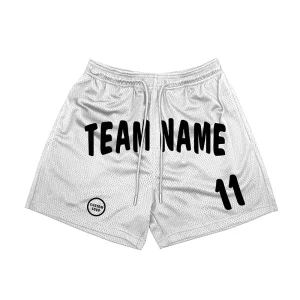
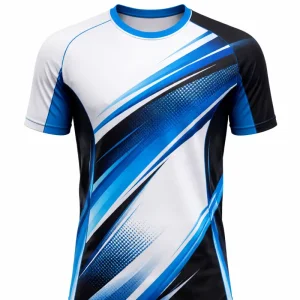
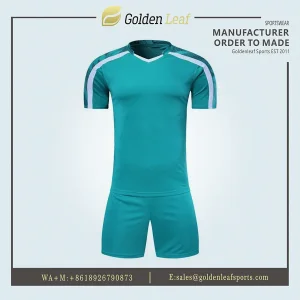
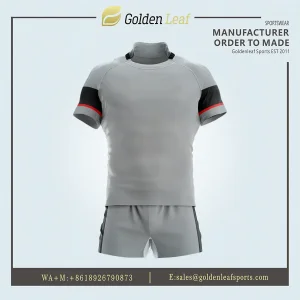
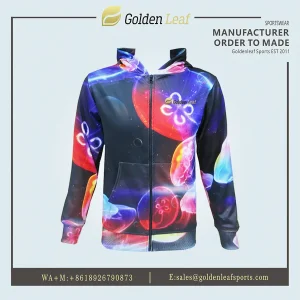
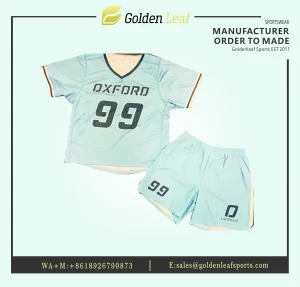
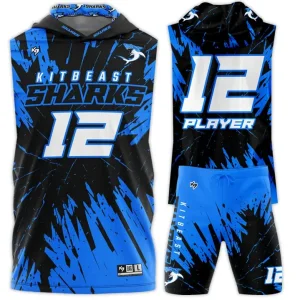
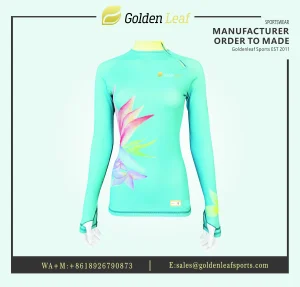
Analyzing the structural shifts, technological capabilities, and supply chain efficiencies of Chinese teamwear manufacturers.
The global market for athletic club uniforms has experienced a paradigm shift. Modern sports organizations, spanning from semi-professional regional leagues to academic institutions and professional franchises, no longer accept generic off-the-shelf garments with rudimentary screen-printed logos. Today's hyper-competitive sports landscape demands fully custom, ergonomically tailored, high-performance apparel engineered with moisture-wicking micro-polyesters, zero-weight dye sublimation, and exact brand pantone fidelity.
At the center of this worldwide transformation is China’s advanced textile ecosystem—specifically specialized manufacturing clusters in Southern China such as Shenzhen and Dongguan. As leading China team uniforms for clubs exporters and factories, these manufacturing facilities have evolved from simple cut-and-sew sub-contractors into fully integrated digital OEM/ODM technical partners. By harnessing high-speed digital sublimation engines, computerized CAD pattern grading, and automated laser cutting, Chinese exporters deliver unprecedented scalability, low Minimum Order Quantities (MOQs), and rapid lead times to global buyers.
Direct-from-factory pricing structures eliminate middleman margins. High-volume yarn purchasing and automated marker nesting maximize material yield, passing 20–35% cost savings directly to overseas club distributors.
Digital RIP color calibration allows instant pattern changes and zero setup fees for individual player numbers, names, and sponsor artwork within a single production run—making low MOQs highly profitable.
From yarn tensile strength to color fastness under high-friction play, comprehensive AQL 2.5 inspection protocols guarantee that every uniform meets rigorous international standards before dispatch.
Examining the structural competitive edge of Chinese apparel manufacturers in custom club uniform production.
Why do premier sportswear brands across North America, Europe, Australia, and Asia consistently partner with top-tier Chinese uniform manufacturers? The answer lies in the unmatched integration of raw material supply chains, advanced machinery investments, and highly skilled textile craftsmanship.
| Manufacturing Metric | Traditional Sourcing Models | China Direct Factory Partner (e.g., GoldenLeaf) |
|---|---|---|
| Production Method | Screen printing / Vinyl heat transfer (Peels & cracks over time) | Deep-Infusion Italian Ink Sublimation (Fading-free) |
| Minimum Order Quantity (MOQ) | 50 to 100 units per colorway/style minimum | Flexible MOQs (Starting at 10 Pcs) with full personalization |
| Color Matching Standard | Basic visual color matching (High variance) | Pantone TCX / C Digital RIP Profiling (< Delta E 1.0) |
| Sample Turnaround | 14 – 21 Days standard turnaround | 3 – 5 Working Days Express Pre-Production Sampling |
| Fabric Selection | Limited stock jersey knits | 50+ Technical Polyesters (Bird-eye, Interlock, 4-Way Spandex) |
China produces more than 60% of the world's synthetic functional yarn. Factories based in Guangdong possess immediate physical access to specialized knitters producing proprietary performance fabrics—including 145 GSM ultra-lightweight bird-eye mesh for soccer, 280 GSM heavy-duty poly-twill with 4-way stretch for rugby, and 180 GSM high-density interlock for lacrosse. This proximity guarantees lower raw material costs and rapid turnaround on custom fabric weights or anti-microbial treatments.
Unlike old-fashioned screen printing that lays thick rubberized ink over fabric pores—restricting airflow and leading to cracking—digital dye-sublimation turns solid ink into gas under high pressure and temperature (200°C / 392°F). The dye penetrates deep into the polyester micro-fibers. The result is a smooth, weightless finish where colors remain vivid across hundreds of matchday washes.
Club orders frequently require vastly different sizes within a single squad—from XS youth players to 5XL adult forwards. Chinese factories utilize automated CAD pattern grading software to adjust logo proportions, side stripe alignments, and sponsor placements dynamically across every sizing increment, eliminating visual distortion on oversized or extra-small kits.
How modern apparel exporters are adopting eco-friendly polymers, digital-twin workflows, and smart fabrics.
Environmental responsibility is now a key purchasing criterion for European and North American sports clubs. Leading Chinese exporters have adopted Global Recycled Standard (GRS) certified polyester yarn produced from ocean-bound post-consumer plastic bottles. These eco-friendly polymers offer identical moisture-wicking properties and tensile strength while reducing manufacturing carbon emissions by up to 45% compared to virgin polyester.
To reduce sample waste and speed up procurement cycles, factories are introducing 3D garment visualization software (such as CLO3D). Buyers can inspect digital-twin mockups rendered on 3D athletic avatars, inspecting stitch lines, fabric drape, and vector logo alignment in real-time before cutting a single yard of fabric.
Next-generation team uniforms incorporate body-mapped ventilation zones. Using precision laser-perforation machinery, thermal sweat zones (such as upper back and underarms) are pierced with micro-apertures that open under athlete body heat, promoting rapid cooling during high-intensity matchplay.
Chinese suppliers are moving beyond basic OEM manufacturing by offering complete private-label execution. This includes custom woven neck labels, branded hangtags, individual barcode polybags, and drop-shipping solutions directly to club fans or regional retail stockists worldwide.
Specific construction engineering guidelines tailored to different team sports disciplines.
Different sports demand drastically different fabric dynamics, seam reinforcements, and garment cuts. A rugby jersey built to withstand high-tackle friction will fail if designed like a lightweight volleyball tank. Expert Chinese factories provide sport-specific engineering parameters:
Fabric Specification: 145–160 GSM 100% Polyester Micro-Interlock with Quick-Dry Wicking Finish.
Construction Details: Ergonomic raglan sleeves for dynamic arm movement; double-stitched flatlock hems to prevent chafing; optional rib-knit or self-fabric V-neck/round collars. Mesh side paneling to maximize airflow.
Fabric Specification: 280–300 GSM Heavyweight Poly-Spandex Blend (88/12) with High Tensile Strength.
Construction Details: Reinforced twin-needle flatlock seams, elastane-reinforced collar binding to resist grab-pulling, anti-slip silicone grip prints on the chest for improved ball control during wet match conditions.
Fabric Specification: 160 GSM Open Bird-Eye Mesh or Reversible Dual-Layer Polyester.
Construction Details: Deep armhole cuts to accommodate shoulder pads and protective gear; double-layer reversible pinnies for squad practice games; heavy-duty waist elastic with internal drawcords on shorts.
Fabric Specification: 150 GSM Ultra-Light Mesh / 4-Way Stretch Poly-Elastane.
Construction Details: Wide neck openings and deep arm slits for unhindered jumping/shooting motion; side split hems on shorts; custom compression fit shorts for volleyball with anti-ride-up leg grips.
Navigating international import standards, safety certifications, and risk mitigation for bulk team apparel orders.
When international club buyers, brand owners, and educational institutions import team uniforms from China, regulatory compliance and factory audit performance are non-negotiable. Professional exporters maintain rigorous operational certifications:
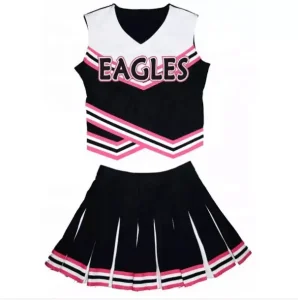
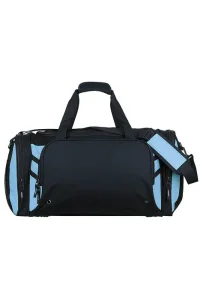
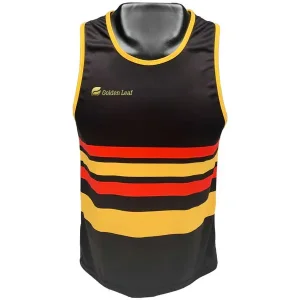
Explore additional athletic uniforms, jackets, leggings, and equipment gear produced in our Shenzhen facility.
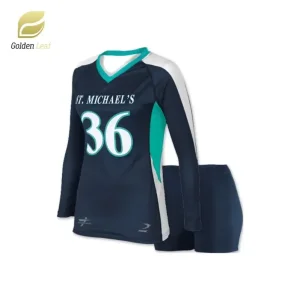
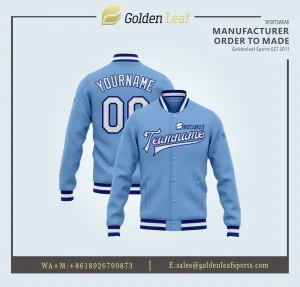
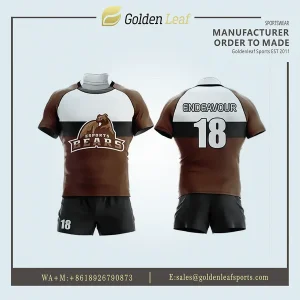
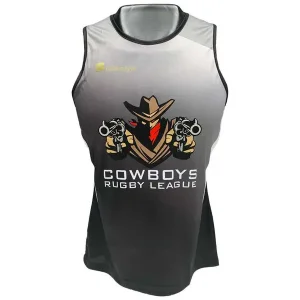
In-depth answers covering order minimums, artwork guidelines, color accuracy, duty management, and lead times.
Our standard Minimum Order Quantity (MOQ) is 10 pieces per design for custom dye-sublimated jerseys, shorts, and team kits. Because digital sublimation prints cut panels before sewing, each garment within the same 10-piece order can feature unique player names, roster numbers, and individual sizes (from Youth 6Y up to Adult 5XL) at no additional setup surcharge.
Initial 2D digital artwork mock-ups are delivered within 24–48 hours. Physical pre-production samples require 5–7 working days for digital printing, heat sublimation, laser cutting, and sample assembly. Bulk production for orders ranging from 100 to 1,000 pieces typically completes in 12–18 working days post sample approval. Express air freight delivers in 4–7 business days worldwide.
We utilize Japanese Epson digital printheads combined with eco-friendly Italian Kian sublimation inks. All digital artwork files are processed through calibrated Raster Image Processor (RIP) software mapped directly to standard Pantone Formula Guide Solid Coated (C) and Textile (TCX) color charts. We retain digital printing profiles for every club account to guarantee identical color consistency on mid-season replacement kits or future re-orders.
Yes, we provide complete OEM/ODM private-label packaging services. We produce custom heat-seal inner neck labels, woven brand tags, personalized cardboard hangtags, printed polybags with player name stickers, and custom outer master cartons tailored to your club’s exact retail brand guidelines.
For optimal print resolution, artwork should be supplied in vector formats such as Adobe Illustrator (.AI), Encapsulated PostScript (.EPS), or PDF with all fonts converted to outlines. High-resolution raster graphics (300 DPI minimum) can also be used for detailed crests or background textures.