GoldenLeaf Sports14+ Years Teamwear Manufacturer · Shenzhen, China
GoldenLeaf Sports14+ Years Teamwear Manufacturer · Shenzhen, China
Explore our flagship OEM/ODM sublimated gear engineered for professional teams, athletic associations, and sportswear distributors globally.
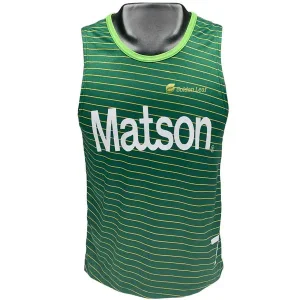
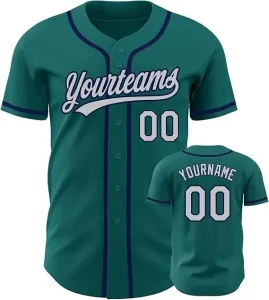
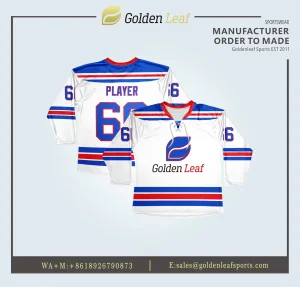
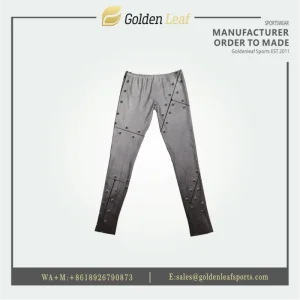
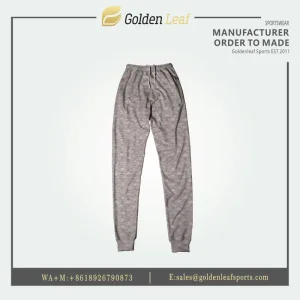
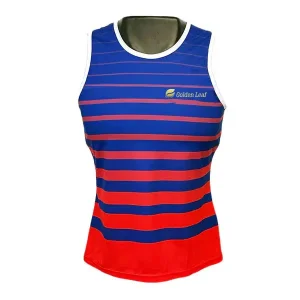
A comprehensive analysis on structural fabric mechanics, stress-point reinforcement, and sublimated athletic wear performance.
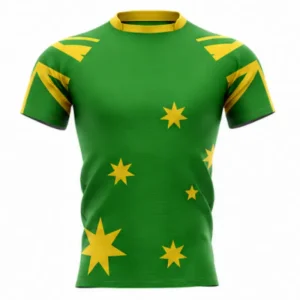
Rugby Union and Rugby League represent two of the most physically demanding collision sports in the world. Modern sports science indicates that the shoulder girdle—specifically the acromioclavicular (AC) joint, deltoid muscle groups, and upper trapezius—experiences acute kinetic impacts and high-velocity shearing loads during scrums, rucks, mauls, and high-impact tackles. Standard knitted athletic polyester fabrics lack the tensile threshold to withstand repetitive grab-and-pull stresses, frequently resulting in collar blowout, shoulder panel seam slippage, and premature fabric tear.
To engineer the best rugby jerseys with reinforced shoulders, structural integrity begins with multi-yoke panel construction. By integrating high-density 280 GSM to 320 GSM 4-way stretch poly-spandex or heavy-duty interlock polyester across the shoulder cap and upper back, kinetic energy is effectively distributed across the garment structure. Double-layered shoulder yokes act as a mechanical buffer, preventing direct friction wear against protective shoulder pads while absorbing severe tensile stress when players engage in tight scrums.
Technical Insight: Seam failure in competitive rugby apparel predominantly occurs along the raglan or set-in shoulder seam lines under dynamic tensile loads exceeding 350 Newtons. Our factory reinforced shoulder yokes utilize twin-needle flatlock stitching paired with high-tenacity bonded polyester thread, elevating seam tear resistance beyond 550 Newtons.
The operational demands placed on modern rugby apparel require a delicate synthesis between weight, breathability, tear strength, and tactile grip. Traditional 100% heavy cotton jerseys are obsolete in the professional realm due to moisture retention, which increases garment weight by up to 40% during damp match play. Modern enterprise procurement focuses on specialized synthetic matrix fabrics:
| Fabric Classification | Composition & Density | Performance Attributes | Recommended Rugby Application |
|---|---|---|---|
| Pro-Twill Reinforced Interlock | 100% Polyester (280–300 GSM) | Maximum tear resistance, zero moisture retention, structural stiffness. | Scrum-focused Forward Packs (Positions 1–8) |
| Kinetic 4-Way Stretch Flex | 88% Polyester / 12% Elastane (220–250 GSM) | Ergonomic body contouring, rapid muscle movement rebound, tactile skin-fit. | Elusive Backline Players (Positions 9–15 & Rugby 7s) |
| Vented Micro-Mesh Underarm | 100% Cool-Pass Polyester (160–180 GSM) | High CFM airflow dissipation, rapid sweat evaporation channel grid. | Sub-axillary and lower flank thermal regulation zones |
Leveraging Shenzhen's advanced textile infrastructure, digital engineering precision, and vertically integrated OEM/ODM capabilities.
Our Shenzhen manufacturing hub is positioned at the epicenter of global textile innovation. From custom yarn spinning and specialized high-GSM knitting to eco-friendly dye synthesis, every raw material is sourced within a 50km radius. This hyper-dense industrial cluster minimizes lead times and optimizes raw material cost efficiency without compromise.
Standard manual shearing introduces dimensional variances across garment sizing. Our facility utilizes computerized digital laser registration cutting machines. This guarantees that reinforced shoulder panels, collar gussets, and torso meshes align perfectly with vector artwork print files down to 0.5 millimeter tolerances.
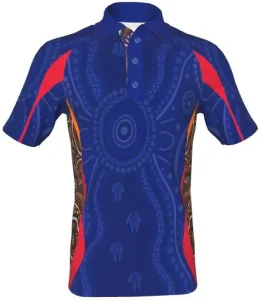
We utilize imported Eco-friendly digital sublimation inks. Under high-temperature vacuum heat pressing (210°C), thermal dye sublimates directly into the core of synthetic fibers. This molecular bonding process guarantees grade 4.5+ color fastness under heavy friction, mud exposure, and industrial washing, remaining fade-proof for years.
How global sportswear brands, national governing bodies, and commercial distributors optimize volume orders with zero quality compromise.
International apparel distributors and sports brands face three persistent operational risks when sourcing custom teamwear: unpredictable shipping timelines, inconsistent sizing grading across production runs, and seam ruptures under elite competition conditions. GoldenLeaf Sports resolves these vulnerabilities through an integrated enterprise framework:
Factory Quality Control Protocol: Every batch of custom rugby jerseys undergoes a 5-stage quality assurance check: raw fabric tensile test, digital print color matching against Pantone TCX libraries, seam stress load pull test, measurement tolerance check (±0.8cm max variance), and individual polybag barcode sorting.
Tailoring fabric weight, shoulder reinforcement, and collar configurations to specific climate zones and tournament formats.
Conducted in cold, wet, and muddy conditions across Western Europe and North America. Requirements demand heavyweight 280+ GSM water-repellent treated polyester, double-thickened shoulder yokes to resist wet mud weight drag, and traditional reinforced rubber button or short grandad collars that resist collar grabbing during tackles.
Played at intense velocity in warm, humid climates (e.g., Australia, Oceania, Southern US). Requires ultra-lightweight 220 GSM 4-way elastane stretch composites with specialized silicone anti-slip grip prints across the chest and shoulders. Reinforced shoulders are executed via low-profile internal bar-tacking to minimize thermal weight.
School athletic departments require cost-effective, multi-season durability. Reinforced shoulder seams ensure jerseys survive back-to-back training sessions and weekly league matches across multiple years. Sublimated graphics eliminate vinyl peel-off, drastically reducing replacement garment costs for athletic budgets.
Key technological shifts reshaping custom teamwear manufacturing over the next decade.
Global sports federations are enforcing strict environmental procurement standards. The next generation of professional rugby jerseys relies on 100% recycled post-consumer polyester yarns derived from ocean plastic bottles. Advanced spinning techniques retain identical tensile load resistance and seam strength compared to virgin polyester, lowering carbon footprints by up to 45% per unit.
Modern elite rugby teams utilize real-time biometric tracking (catapult sensors) to measure player impact force, sprint distance, and heart rate dynamics. Factory patterns now feature laser-bonded internal neoprene pockets located between the shoulder blades. Reinforced shoulder construction guarantees that high-speed collisions do not dislodge delicate sensor technology during professional competition.
Reinforced shoulder zones are increasingly pairing with customized 3D micro-silicone dots screen-printed over sublimated panels. This technology provides two key tactical edges: it increases friction between the ball and upper chest/shoulder during catching drills, while giving opponents less smooth fabric surface to grip during defensive tackling maneuvers.
In-depth technical answers tailored for club purchasing officers, brand managers, and sportswear importers.
We utilize a heavy-duty, twin-needle flatlock seam structure coupled with targeted bar-tack reinforcement at high-stress insertion points (where the sleeve seam meets the collar and armpit). The shoulder panel itself is constructed with a dual-layer inner fabric yoke. We stitch using high-tenacity, 100% continuous filament polyester thread that exhibits high tensile strength and elasticity, ensuring seams flex seamlessly with player movement without snapping under extreme tackling stress.
Our standard MOQ is 10 pieces per design. Because our digital print workflow processes garments individually before cut-and-sew assembly, each jersey inside your 10-piece order can carry distinct player names, numbers, and custom sizes (ranging from youth 6Y to adult 6XL) at no additional fee. Virtual design mock-ups are completed within 24–48 hours; physical pre-production samples take 5–7 working days; and bulk order delivery (300 to 1,000 units) completes within 12–18 working days following final sample approval.
No. Unlike screen printing or heat-transfer vinyl overlays—which sit on top of fabric and inevitably crack or peel under tension—our digital sublimation inks are thermally infused into the core of the polyester microfibers at 210°C. The graphic becomes a permanent part of the fabric's molecular structure. Our jerseys undergo rigorous lab testing for color fastness (achieving Grade 4.5+ rating under ISO standards) against perspiration, rubbing, and high-temperature wash cycles.
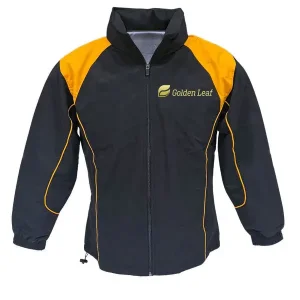
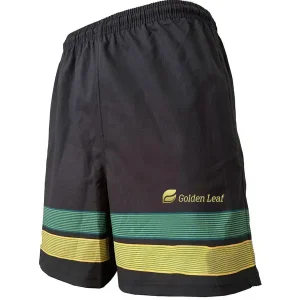
Absolutely. We operate a complete teamwear production infrastructure. You can pair custom reinforced rugby jerseys with heavy-duty sublimated rugby shorts (featuring reinforced crotch gussets, anti-slip elastic waists, and internal drawcords), custom knitted nylon/cotton match socks, warm-up hoodies, water-resistant jackets, and custom equipment bags—ensuring a unified brand aesthetic across your entire organization.
We export to clients across the US, Canada, Australia, New Zealand, the UK, Europe, and South Africa under EXW, FOB Shenzhen/Yantian, CIF, and DDP (Delivered Duty Paid) terms via air courier (DHL/FedEx/UPS), air freight, and ocean shipping lines. Our Shenzhen factory operates under strict quality management practices and uses OEKO-TEX Standard 100 certified eco-friendly sublimation inks safe for intimate skin contact.
Browse additional custom performance activewear, outerwear, and athletic apparel manufactured at our Shenzhen facility.