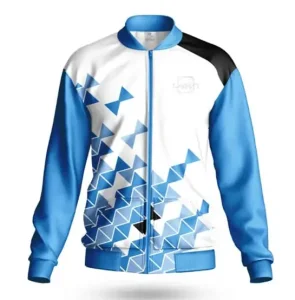
GoldenLeaf Sports14+ Years Teamwear Manufacturer · Shenzhen, China
GoldenLeaf Sports14+ Years Teamwear Manufacturer · Shenzhen, China
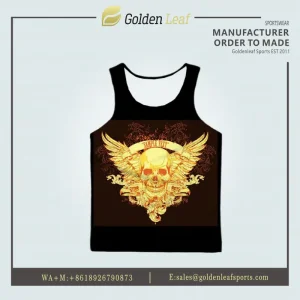
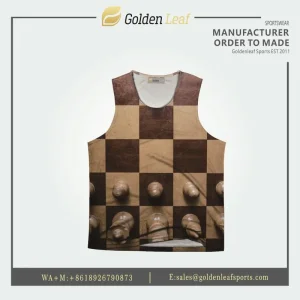
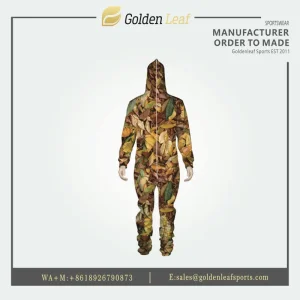
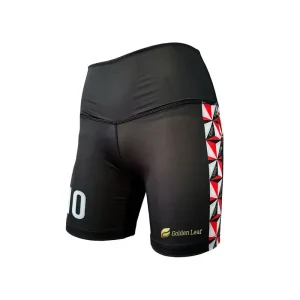
Explore our top-tier export selections engineered with high-elasticity nylon-spandex interlock blends, ergonomic compression mapping, and dynamic digital sublimation.
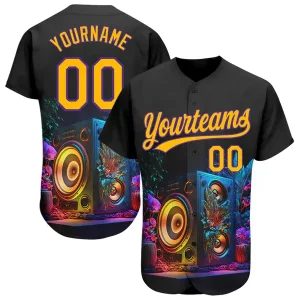
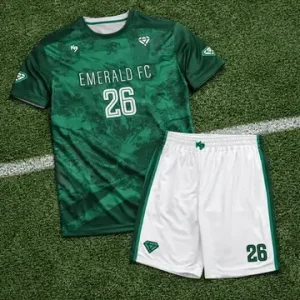
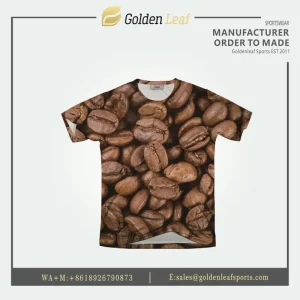
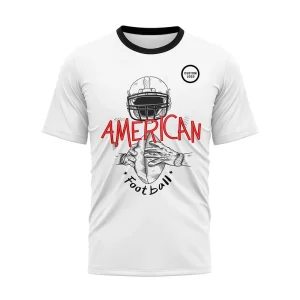
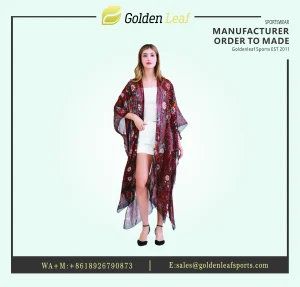
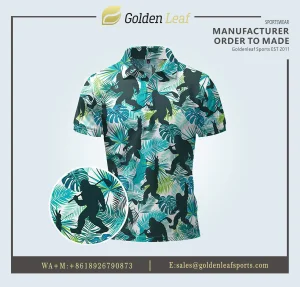
The global athleisure and activewear industry has undergone a seismic shift toward ultra-functional, high-compression, and second-skin apparel over the last decade. As global demand for high-performance yoga leggings, seamless sports bras, and technical activewear accelerates, China custom yoga wear exporters and factories have transitioned from low-cost cut-and-sew providers into sophisticated research-and-development manufacturing hubs. Modern Chinese manufacturing ecosystems—concentrated primarily in Guangdong (Shenzhen, Dongguan, Guangzhou) and Zhejiang (Yiwu, Shaoxing)—command over 65% of global technical activewear production.
This dominance is not purely driven by scale; it is rooted in vertical integration. From micro-denier synthetic yarn synthesis and circular knitting machines (such as Italian Santoni seamless technology) to eco-friendly waterless digital sublimation printing, Chinese apparel clusters maintain full control over every link in the value chain. As a premier manufacturer established in 2011, GoldenLeaf Sports operates at the center of this innovation ecosystem, operating a 3,000 m² state-of-the-art facility staffed by over 160 technical specialists dedicated to bridging the gap between high-end aesthetic design and industrial-grade functionality.
True expertise in yoga wear manufacturing lies in managing the physical mechanics of synthetic fibers under multidirectional tension. High-end yoga apparel requires an intricate balance of opacity (squat-proof density), four-way stretch memory, thermal regulation, and skin-friendly tactility. Below is the technical fabric matrix engineered by GoldenLeaf Sports technicians to satisfy international B2B quality standards.
We utilize premium Nylon 66 blended with high-grade Elastane/Spandex (typically 80/20 to 75/25 ratios, 220–300 GSM). Nylon 66 offers superior tensile strength, a silkier hand-feel, and enhanced abrasion resistance compared to standard polyester, making it ideal for high-end boutique activewear brands.
Our fabrics undergo specialized chemical finishing or cross-sectional yarn engineering (such as Cool-Max or cross-shaped filaments) to draw moisture away from the skin instantly, maximizing capillary action and accelerating evaporation during high-intensity sessions.
Structural integrity is guaranteed using ISO 607 flatlock stitching lines. This seam technique lays completely flat against the skin, virtually eliminating chafing while providing extreme stretch resistance along stress zones during complex yoga poses.
The global market for yoga and activewear is transitioning away from rigid, mass-inventory models toward agile, data-driven replenishment supply chains. To remain competitive, modern B2B buyers must partner with China yoga wear exporters capable of navigating three primary macro shifts:
DTC e-commerce brands require lean inventory testing. Leading Chinese factories now offer flexible minimum order quantities starting at 10–50 pieces per design run, supported by 24-48 hour digital mock-up generation and 5-7 day physical sample turnaround times.
Sustainability is no longer optional. Top exporters are integrating GRS-certified (Global Recycled Standard) recycled polyester (rPET) derived from ocean plastics, alongside OEKO-TEX Standard 100 certified non-toxic digital dye sublimation inks.
Seamless garments knitted directly on specialized cylinder machines minimize fabric cutting waste by up to 35% while creating zoned compression panels natively integrated into the weave without structural seams.
A major challenge for global sportswear importers is tailoring technical specs to regional market preferences and consumer demographics. Experienced Chinese manufacturers understand these subtle nuances across key geographic markets:
US and Canadian consumers prioritize high-waisted tummies control, squat-proof opacity (>280 GSM), and dual-purpose styling that seamlessly transitions from intense Vinyasa classes to casual urban environments.
European buyers (Germany, UK, Scandinavia) demand rigorous chemical compliance (REACH), transparent GRS certifications, subtle earth-tone palettes, and sleek, minimalist branding elements.
Asian markets emphasize light-to-medium compression, buttery-soft brushed finishes (Naked-Feel tech), shorter inseams (7/8 length), and adjusted torso ratios tailored specifically to regional body profiles.
The next decade of yoga wear manufacturing will be defined by the intersection of digital apparel engineering, artificial intelligence, and bio-based synthetic polymers. Chinese factories are currently investing in three cutting-edge R&D tracks:
By integrating CLO 3D and EFI Optitex software, physical prototyping iterations are reduced by 70%. Brands can simulate stretch strain maps and fabric drape digitally prior to cutting physical cloth.
Moving beyond ocean bottle PET, factories are scaling up molecular textile-to-textile recycling, allowing post-consumer spandex-polyester garments to be broken down and re-polymerized into high-tenacity yarn endlessly.
Embedding conductive micro-fibers directly into waistband structures to monitor posture alignment, heart rate, and muscle activation during yoga sessions without external hardware modules.
Partnering with GoldenLeaf Sports provides global distributors, fitness brands, and sports clubs with a complete turnkey manufacturing ecosystem designed to eliminate risk at every stage of production:
Our dedicated engineering team translates your sketches, mood boards, or reference physical garments into precise technical specifications, vector artwork, and digitized grading blocks across all global size ranges (XS to 5XL).
Using high-resolution Mimaki digital sublimation printers and imported Swiss inks, artwork is permanently bonded into the fabric fibers. High-speed automated laser cutting tables then slice panels with sub-millimeter precision to ensure alignment across complex seam lines.
Our 5-person dedicated QA/QC team performs a 100% inline and final AQL 2.5 inspection covering dimensional tolerances, stretch recovery, needle-chew checks, and color-fastness. Finished goods are poly-bagged, custom-labeled, and shipped under DDP, FOB, or CIF terms worldwide.
Our standard minimum order quantity is just 10 pieces per design for custom sublimated tops, leggings, and activewear sets. Because every garment panel is digitally printed individually before cutting, individual player names, numbers, or size variations can be incorporated within the same order run without extra setup charges.
Squat-proof opacity is achieved by combining high yarn counts (micro-denier Nylon/Polyester) with optimal fabric weight (minimum 250–300 GSM) and high-gauge double-knit interlock construction. Every fabric batch undergoes light-transmittance and stretch-tension testing prior to mass cutting.
Digital artwork proofs are generated within 24 to 48 hours. Physical pre-production samples require 5–7 working days. Bulk production runs of 300 to 1,000 units are completed and shipped within 12–18 working days following final sample approval from our Shenzhen facility.
Yes, we provide full ODM and private label services. This includes heat-transfer tagless neck labels, woven brand tags, customized cardboard hangtags, eco-friendly printed polybags, and custom master carton branding to match your brand identity perfectly.
No. Sublimation printing uses heat and pressure to infuse dye directly into the synthetic polymer fibers at a molecular level. Unlike screen printing or vinyl transfers, sublimated graphics maintain 100% breathability and will never crack, peel, or fade, even after repeated industrial laundering.
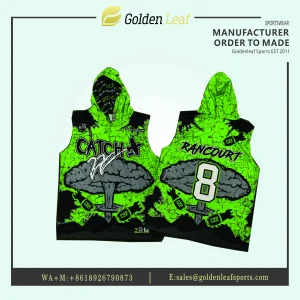
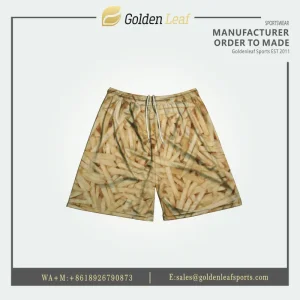
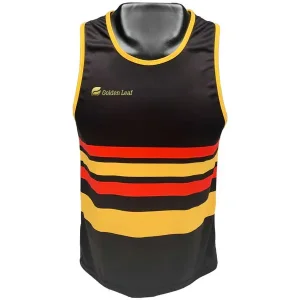
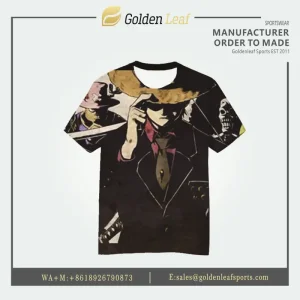
Browse our versatile range of multi-sport uniforms, custom jerseys, outerwear, and high-performance training apparel manufactured in our ISO-compliant factory.