GoldenLeaf Sports14+ Years Teamwear Manufacturer · Shenzhen, China
GoldenLeaf Sports14+ Years Teamwear Manufacturer · Shenzhen, China
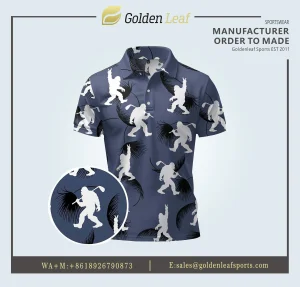
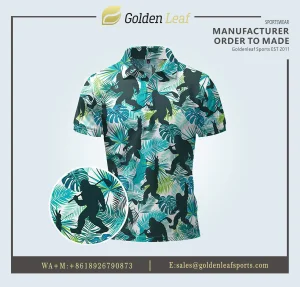
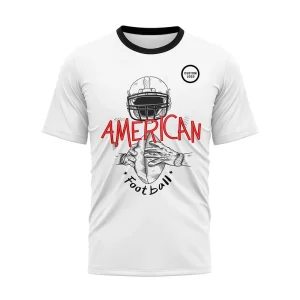
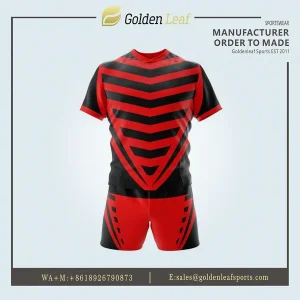
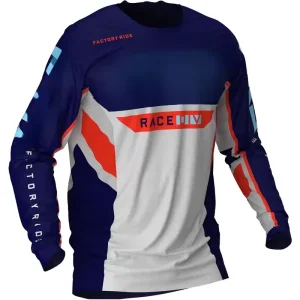
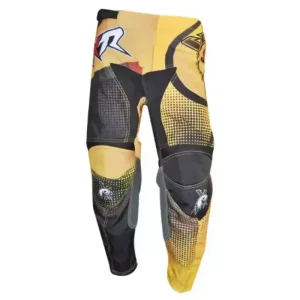
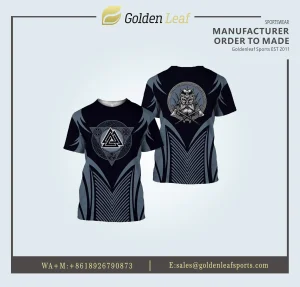
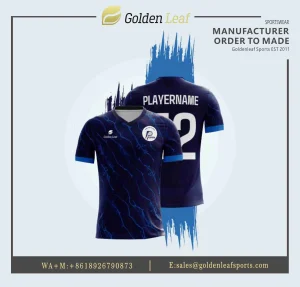
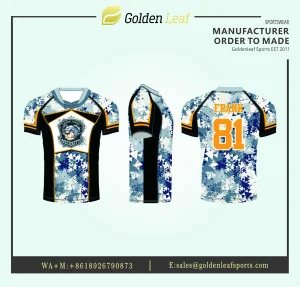
Explore our featured OEM apparel designs engineered for elite sports teams, club practices, and global distribution catalog integration.
The global market for ice hockey training uniforms and high-performance teamwear is experiencing a structural evolution. Driven by expanding youth development leagues across North America, Northern Europe, and emerging winter sport capitals in Asia, the demand for high-durability, technologically advanced practice jerseys and off-ice conditioning wear has reached an all-time high. B2B buyers—ranging from professional franchise operations and university athletic departments to independent sportswear brands—are shifting away from off-the-shelf, low-tech garments toward fully customized, high-GSM (Grams per Square Meter) engineered textiles.
Unlike standard field sports, ice hockey places extraordinary strain on apparel. Training uniforms must endure intense physical friction against plastic dashboard boards, withstand constant friction from shoulder pads and elbow guards, and maintain thermal control in high-humidity indoor rinks and sub-zero outdoor facilities. Consequently, global buyers are seeking specialized OEM factories capable of delivering custom sublimation printing, impact-resistant stitching, and cut-resistant material integration under tight seasonal deadlines.
From a textile engineering perspective, an ice hockey training jersey operates under vastly different parameters than a standard soccer or basketball kit. Our manufacturing facility utilizes advanced pattern-grading and high-tenacity synthetic yarns designed specifically to solve the common failure points of practice apparel: collar tearing, elbow blowout, and thermal overheating.
Utilizing 200 GSM to 260 GSM 100% hydrophobic polyester weaves. The open-hole mesh construction provides maximum CFM (Cubic Feet per Minute) air permeability while preventing snagging against pad Velcro straps.
High-abrasion zones are reinforced with dual-layer fabric panels. Stitched with industrial-grade 4-thread cover-stitch and cover-seam machinery to eliminate seam splitting under extreme mechanical pull.
Capillary-action moisture-wicking treatments pull sweat from the inner micro-climate to the outer layer for rapid evaporation, keeping the player light and preventing thermal chill during ice breaks.
| Performance Metrics | Standard Practice Jersey | GoldenLeaf OEM Elite Training Uniform | Industry Test Standard |
|---|---|---|---|
| Fabric Density (GSM) | 140 - 180 GSM | 220 - 280 GSM (Customizable) | ISO 3801 |
| Seam Tensile Strength | < 250 N | > 550 N (Reinforced Cover-stitch) | ISO 13935-2 |
| Color Fastness to Washing | Grade 3.0 | Grade 4.5+ (Imported Kian Inks) | ISO 105-C06 |
| Abrasion Resistance | 10,000 Rubs | 35,000+ Rubs (Martindale Test) | ISO 12947-2 |
| Neckline Construction | Single-ply Rib | V-Neck / Laced Collar with Anti-Stretch Webbing | In-House Stress Test |
As a specialized sportswear hub based in Longgang District, Shenzhen, GoldenLeaf Sports exemplifies the operational efficiency that makes Chinese apparel manufacturing unmatched worldwide. Global buyers operating on tight turnaround windows benefit directly from our localized supply chain clusters—where specialized yarn spinners, digital sublimation ink importers, precision laser-cutting facilities, and accessory hardware suppliers operate within a 15-kilometer radius.
Our facility handles every phase of custom ice hockey training uniform creation under one roof. By eliminating sub-contracting delays, we maintain absolute control over raster-to-vector artwork conversion, RIP software color calibration, deep-penetration heat sublimation (215°C continuous transfer), manual and laser panel cutting, and final garment assembly.
Digital proofing within 24 to 48 hours. Physical pre-production samples delivered to North American and European headquarters in as little as 5 to 7 business days.
Our agile production lines support low Minimum Order Quantities (MOQs starting at 10 pcs/design) for specialized club rosters, while comfortably scaling to 300,000+ units annually for global retail distributors.
Using premium imported eco-friendly Italian inks, our heat-press transfer fuses pigment at a molecular level with the polyester polymer, ensuring numbers, team crests, and sponsor logos never crack, peel, or fade.
Ice hockey training uniforms serve distinct functional roles depending on the climate, age bracket, and organizational context. As an experienced OEM/ODM factory, we tailor pattern blocks and material weights to specific operational environments:
Designed for high-frequency daily ice practices. Requires ultra-heavyweight 240+ GSM mesh with reinforced cover-stitched armholes and traditional fight-strap attachments for high-impact physical scrimmages.
Dual-layer lightweight mesh designs allowing instant team splitting during practice. Utilizes single-pass binding construction to minimize weight while maintaining distinct light/dark color contrast.
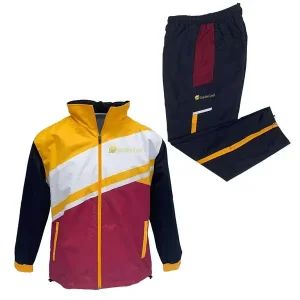
Conditioning apparel comprising breathable poly-spandex short-sleeve tees, athletic shorts, and moisture-wicking tracksuits tailored for weight room sessions, plyometrics, and outdoor sprint work.
Sized specifically for growing athletes (6Y to 14Y) with extended sleeves to accommodate youth protective gear without restricted movement or excess weight accumulation.
The custom ice hockey training uniform industry is currently undergoing a rapid technological transformation. Driven by international safety regulations and global environmental initiatives, B2B buyers are seeking next-generation solutions from forward-thinking factory partners.
1. Integration of Cut-Resistant Fabrics: Following recent global safety directive updates regarding player safety, buyers are requesting cut-resistant Kevlar or UHMWPE (Ultra-High-Molecular-Weight Polyethylene) inserts in high-risk zones, such as neck guards, wrist cuffs, and Achilles tendon socks integrated into training kits.
2. Recycled Poly (rPET) Sustainability: Sustainability is no longer optional for major retail brands and university leagues. Modern factories are transitioning to 100% post-consumer recycled polyester derived from plastic ocean bottles. These rPET fabrics match virgin polyester in tensile strength, hand-feel, and dye absorption while significantly reducing the carbon footprint of production runs.
3. 3D Digital Sampling & AI Pattern Grading: Utilizing AI-assisted digital CAD tools, we generate pixel-accurate 3D rendered mock-ups on realistic virtual body models. This drastically shortens approval cycles, minimizes material waste during prototyping, and guarantees flawless artwork scaling from Youth Small to Adult 5XL.
When evaluating custom ice hockey training uniform companies and manufacturing facilities in China, purchasing managers must establish rigorous verification standards to prevent costly production delays or quality defects. Below is an insider operational checklist recommended by our Senior Quality Control Team:
Ensure the factory uses standardized Pantone Matching Systems (PMS) with vector files (AI, EPS, PDF). Ask for printed fabric swatches to confirm color accuracy under both indoor arena lighting and standard daylight conditions.
Ice hockey jerseys must accommodate bulky protective padding (shoulder pads, chest protectors). Always verify that the manufacturer's size chart includes pad allowances rather than standard streetwear chest measurements.
Demand an In-Line and Final Inspection protocol adhering to Acceptable Quality Limit (AQL) 2.5 standards. Inspections must cover stitch tension, logo alignment, clean thread trimming, barcode accuracy, and polybag labeling.
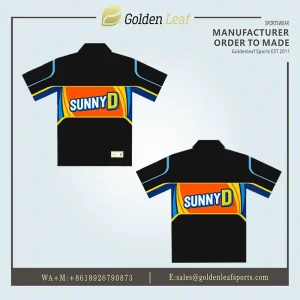
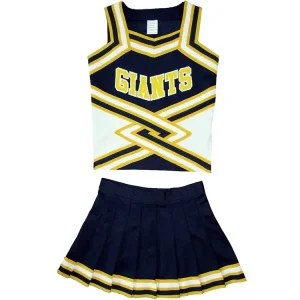
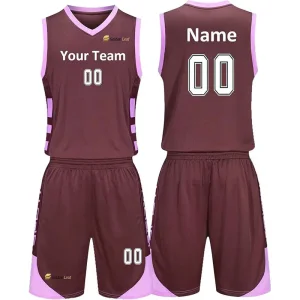
Browse additional specialized teamwear, custom motor racing apparel, and multi-sport training solutions manufactured by our Shenzhen factory.