



GoldenLeaf Sports14+ Years Teamwear Manufacturer · Shenzhen, China
GoldenLeaf Sports14+ Years Teamwear Manufacturer · Shenzhen, China
Explore our top-tier performance apparel manufactured for professional rugby academies, club leagues, and high-school athletic programs globally.
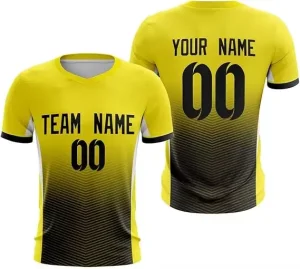
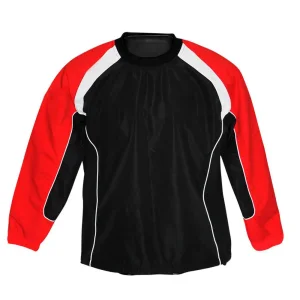
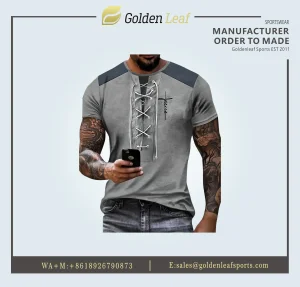
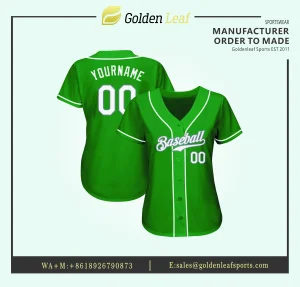
An authoritative evaluation of global market demand, structural supply chain shifts, and safety compliance paradigms shaping youth rugby uniform manufacturing.
Junior rugby programs across Europe, Oceania, North America, and emerging Asian hubs have seen a 28% increase in registered player bases over the last five years. High-growth sectors include Rugby Sevens (7s) initiatives and girls' tackle and flag rugby divisions, requiring specialized anatomical sizing patterns rather than downsized adult templates.
Governing bodies including World Rugby (Regulation 12) have introduced stringent requirements for youth apparel. Kits must eliminate dangerous grab-points while integrating high-impact compression base layers, padded shoulder padding pockets, and friction-reducing seams to protect young athletes during intense tackling.
Traditional heavy cotton twill kits are obsolete in competitive environments. Modern OEMs utilize full-bleed digital dye-sublimation on specialized polyester-elastane matrices. This transfers sponsor branding, team badges, and player numbers directly into fabric fibers without adding weight or restricting breathability.
Junior rugby apparel requires engineered balance between extreme tear resistance, moisture dissipation, and elastic recovery under tension.
| Fabric Classification | Composition & Weight (GSM) | Tensile / Tear Strength | Primary Application Area | Key Technical Benefit |
|---|---|---|---|---|
| Pro-Tough Interlock | 100% Micro-Polyester (220–250 GSM) | High (Bursting Strength > 850 kPa) | Youth Match Jerseys (15s / 7s) | Snag-resistant, lightweight, rapid moisture transport via cross-section fibers. |
| Elasticised Spandex Blend | 88% Polyester / 12% Elastane (280–300 GSM) | Ultra-High 4-Way Stretch | Elite Junior Tight-Fit Jerseys | Body-mapping compression fit makes tackling grip extremely difficult for opponents. |
| Reinforced Rugby Twill | 100% Heavyweight Poly-Twill (260 GSM) | Extreme Abrasion Resistance | Traditional Collar & Rugby Shorts | Reinforced collar structure withstands intense scrum-aging and tackling pressure. |
| Air-Flow Micro Mesh | 100% Polyester Bird-Eye (150–180 GSM) | Medium Durability / High Airflow | Side Panels & Training Pinnies | Engineered ventilation zones reduce micro-climate temperature inside jersey. |
Junior rugby jerseys experience severe stress at stress points. GoldenLeaf utilizes twin-needle flatlock seams combined with reinforced bartacking at collar junctions, sleeve openings, and side vents. This 6-thread coverstitch system eliminates interior chafing while maintaining seam elasticity under high tensile pulls during tackles.
As sports analytics filter down to youth academies, our factory crafts jerseys with internal neoprene or high-stretch mesh GPS pod pockets situated between the shoulder blades. Designed to meet international player welfare standards, these pouches hold monitoring hardware snugly without causing impact points during backfalls.
Rugby environments differ dramatically around the globe. We tailor fabric density, chemical treatments, and sizing blocks to match specific climate demands.
Climate: Cold, wet winter pitches.
Engineered Solution: Heavyweight (240–280 GSM) water-repellent (DWR coated) micro-polyester fabrics. Features anti-mud cross-sections that prevent dirt adherence and resist thermal loss during rainy matches.
Climate: High UV radiation & intense heat.
Engineered Solution: Light-to-mid weight (180–220 GSM) poly-spandex with UPF 50+ ultraviolet protection factor. High breathability mesh side gussets engineered for rapid perspiration evaporation.
Market: High School & Collegiate Clubs.
Engineered Solution: Adjusted size block (longer torso and broader chest cuts). Fully customizable for multi-sport athletic departments requiring NFHS-compliant numbering and safety standards.
Market: Elite Academy Formations.
Engineered Solution: Ergonomic taper-fit jerseys using GRS-Certified Recycled Polyester (rPET). Strict compliance with EU REACH chemical safety directives for youth apparel.
How GoldenLeaf Sports is shaping the future of custom teamwear through smart textile integration, eco-conscious circular manufacturing, and digital precision.
Implementation of next-generation waterless heat-transfer sublimation systems. Reduces volatile organic compound (VOC) emissions to near-zero while using 100% bio-degradable Swiss-imported ink formulations that retain color intensity past 100 high-temperature commercial wash cycles.
Testing flexible micro-sensor webbing knitted directly into base-layer youth rugby kits. Provides real-time telemetry to medical staff regarding impact g-force acceleration, core temperature spikes, and muscle strain indicators during competitive play.
Establishing end-of-life kit recycling pipelines for club partners. Old polyester teamwear is collected, chemically de-polymerized, and spun back into virgin-grade polyester yarn for subsequent season production cycles without quality degradation.
From digital vector artwork generation to custom polybag bundling, GoldenLeaf serves as an invisible, high-reliability OEM/ODM manufacturing engine.
Youth clubs frequently suffer from mid-season roster changes and replacement demands. GoldenLeaf solves inventory bottlenecks by offering a strict Low MOQ of 10 units per design. Each jersey within the order can feature custom names, player numbers, and specific anatomical sizes at zero setup penalty fee.
We empower global sportswear brands to expand their rugby line effortlessly. We offer heat-applied inner neck size transfers, woven brand hem tags, custom barcode hangtags, and eco-friendly printed polybags configured to meet your regional warehouse distribution guidelines.
Manual fabric cutting introduces panel variance that degrades uniform alignment. Our factory utilizes camera-assisted CCD optical laser cutting tables that scan printed sublimation registration marks, slicing panels with sub-millimeter accurate edge sealing that prevents fabric fraying.
Every kit passes through 5 dedicated QC checkpoints before export clearance: 1) Raw fabric tension testing, 2) RIP color accuracy validation against Pantone standards, 3) Seam strength pull-tests, 4) Dimensional garment measuring against size charts, and 5) Final barcode verification.
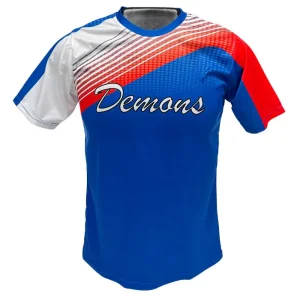
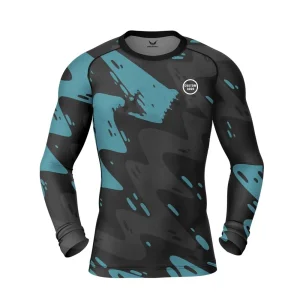
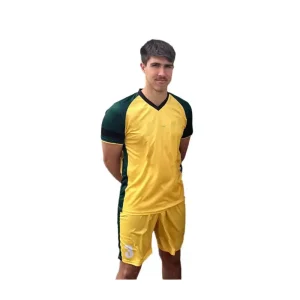
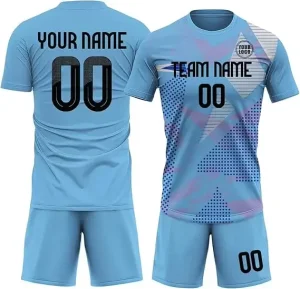
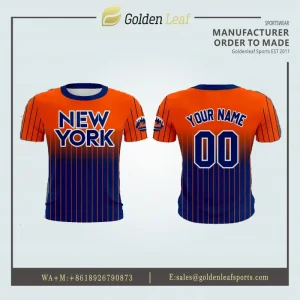
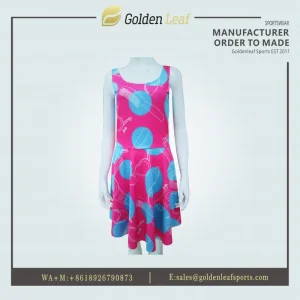
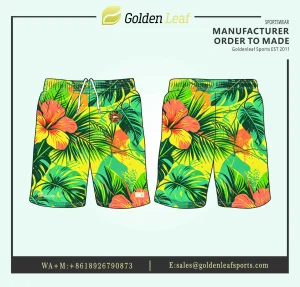
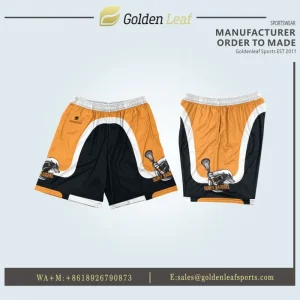
In addition to match kits, explore our broad manufacturing line including training compression wear, custom shorts, and multi-sport performance uniforms.
Detailed factory-level answers regarding minimums, digital proofing, lead times, and structural safety standards for junior rugby uniforms.