GoldenLeaf Sports14+ Years Teamwear Manufacturer · Shenzhen, China
GoldenLeaf Sports14+ Years Teamwear Manufacturer · Shenzhen, China
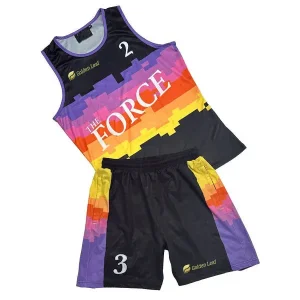
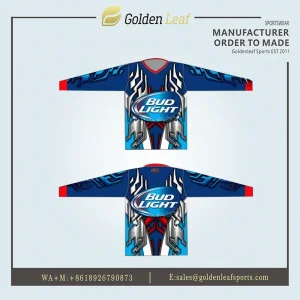
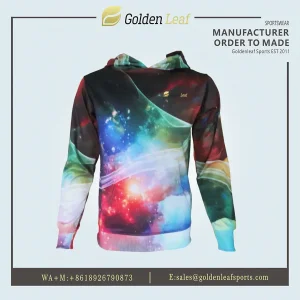
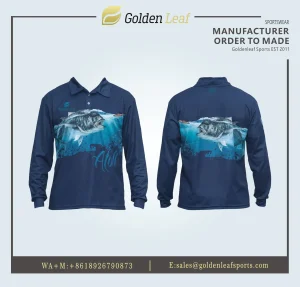
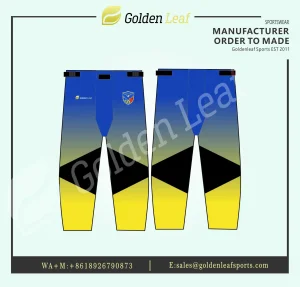
The international activewear market has experienced a fundamental shift from basic cotton-poly blends toward bio-mechanically engineered synthetic textiles. High-performance quick dry running shirts represent a multi-billion-dollar segment driven by rising participation in road marathons, trail running events, corporate wellness programs, and athleisure retail. Professional runners and recreational joggers alike now demand shirts that maintain zero-saturation, reduce aerobic drag, eliminate skin chafing, and offer dynamic thermal management across extreme microclimates.
For global importers, sportswear brand owners, and procurement directors, navigating the supply chain for custom quick-dry running garments requires an understanding of yarn construction, polymer cross-sections, and sublimation technology. As major retail brands transition toward micro-batch production and rapid inventory replenishment, relying on specialized OEM/ODM manufacturing facilities that combine raw material sourcing, digital pattern engineering, and strict compliance has become a primary competitive differentiator.
Traditional running apparel often retained moisture, adding weight and causing skin irritation. Modern technical specifications demand hydrophobic push-pull dynamics that actively move liquid sweat away from the epidermis within milliseconds.
Distributors require short development cycles, reliable color matching via digital Pantone spectrums, low MOQs for niche team lines, and scalable manufacturing lines capable of handling seasonal volume spikes without quality dilution.
Western importers must comply with strict environmental regulations including REACH chemical restrictions, OEKO-TEX Standard 100 toxicity thresholds, and Global Recycled Standard (GRS) origin tracking for recycled polymers.
True "Quick Dry" performance is not merely a chemical rinse applied to basic cloth—it is an intrinsic physical property woven directly into the synthetic filament geometry. Advanced custom running shirt suppliers utilize micro-denier, multi-channel polyester filaments (such as cross-shaped 'X' or clover-leaf 'Coolmax' cross-sections) that generate capillary pressure gradients.
| Performance Metric | Standard Polyester (Basic) | Technical Quick-Dry Mesh | Pro-Grade Micro-Denier Matrix |
|---|---|---|---|
| Fiber Cross-Section | Solid Round Circular | Modified Tri-Lobal | Multi-Channel Cross / Clover-Leaf |
| Capillary Action Index | 25 mm / 10 min | 65 mm / 10 min | 110+ mm / 10 min |
| Drying Rate (AATCC 199) | > 45 Minutes | 20 - 25 Minutes | < 12 Minutes |
| Fabric Weight (GSM) | 160 - 180 GSM | 135 - 150 GSM | 85 - 120 GSM |
| Antimicrobial Treatment | Topical (Washes out) | Zinc-based coating | Silvadur™ / Silver-Ion Polymer Infusion |
By knitting hydrophobic inner fibers (polyester/polypropylene) with hydrophilic outer fibers, sweat is instantly drawn off the skin surface through hydrophobic repulsion and pushed into the outer layer. Once on the outer layer, it spreads across a 300% larger surface area for instant ambient evaporation.
Strategic body-mapping technology places vector laser perforations in targeted heat zones—underarms, upper back, and chest side-panels. This increases air permeability (CFM values) by over 40% without compromising structural garment integrity during intense movement.
A single garment construction cannot perform optimally across all environmental conditions. Specialized OEM exporters engineer custom quick-dry running apparel tailored to specific geographical climates, terrain challenges, and user demographics.
Target Regions: Southeast Asia, Florida, Gulf Region.
Technical Needs: Ultra-lightweight (85-100 GSM) bird-eye mesh. Focus on non-clinging micro-texture, extreme vapor transfer, and UPF 50+ protection against tropical UV radiation.
Target Regions: Alps, Rockies, Andean Trails.
Technical Needs: Abrasion-resistant shoulder panels to withstand hydration vest friction, combined with thermal wind-blocking long sleeves and half-zip ventilation.
Target Regions: Metropolitan Cities.
Technical Needs: High-visibility 3M™ Scotchlite™ retro-reflective heat seals along main movement seams, paired with anti-odor silver-ion treatments for urban runners.
Target Regions: Global Events.
Technical Needs: High-definition digital Italian sublimation printing that won't fade or crack. Ultra-flatlock 6-needle anti-chafing seams for marathon distances.
China’s athletic apparel ecosystem—specifically centered in the Shenzhen and Pearl River Delta manufacturing corridor—provides global buyers with an unparalleled industrial cluster. From raw yarn spinning and custom dyeing mills to high-speed digital printing facilities and direct shipping hubs, this centralized infrastructure dramatically lowers lead times while guaranteeing rigorous material consistency.
Within a 50-kilometer radius of Shenzhen facilities, technical factories access functional polyester extruders, specialized elastane suppliers, and custom accessory trim mills. This reduces material transit times from weeks to hours.
Leveraging computerized CAD pattern grading, vector-guided automatic fabric nesting, camera-registration laser cutting, and Japanese Mimaki digital sublimation printers ensures consistent panel assembly across all sizing ranges.
Digital sampling workflows deliver 24-48 hour virtual mockups and 5-7 day physical pre-production prototypes. Bulk runs of 1,000 to 50,000 units are routinely completed and shipped in under 18 business days.
To protect brand reputation and satisfy retail regulations in North America, Europe, and Australasia, leading Chinese quick-dry running shirt exporters maintain strict multi-stage quality control procedures. Products are subjected to rigorous physical and chemical laboratory evaluations prior to container dispatch.
1. Raw Material Inspection: GSM verification, yarn tension checking, and shade-batch sorting.
2. Color Fastness Testing: ISO 105-C06 wash fastness and perspiration test (Grade 4+ rating).
3. In-Line Assembly QC: Seam strength, stitch density (12-14 stitches/inch), and flatlock tension checking.
4. Sublimation Inspection: Ghosting, ink bleeding, and Pantone shade alignment audits.
5. Final AQL 2.5 Audit: Dimension tolerance check (+/- 1cm), barcoding, polybag seal verification.
Full private-label customization options enable brand owners to receive shelf-ready retail products. Packaging options include tagless heat-transfer neck labels, woven side-seam tabs, customized recycled polybags, eco-paper hangtags with printed barcodes, and Amazon FBA carton compliance markings.
Direct insights from activewear apparel engineers regarding manufacturing specifications, yarn options, and order logistics.
For competitive running apparel, micro-denier 100% polyester interlock or micro-mesh ranging between 100 GSM and 140 GSM offers the best balance of durability, opacity, and moisture dissipation. Ultra-light trail running tees often utilize 85-95 GSM mechanical-stretch fabrics, while team event promotional shirts typically standardise on 145-150 GSM bird-eye polyester.
Digital sublimation uses heat to bind eco-friendly disperse dyes directly into the polyester polymer fibers. This creates zero ink weight, ensures 100% breathability across printed areas, and guarantees the artwork will never peel, crack, or wash off. Screen printing coats fabric pores with plastisol ink, which blocks air transmission and increases garment weight.
Thanks to flexible digital printing lines and automated vector cutting, standard MOQs begin at just 10 pieces per design for sublimated running shirts. This low threshold enables brands to easily introduce team roster variations, test local markets, or produce custom marathon gear without maintaining heavy inventory overhead.
Factories utilize specialized Raster Image Processor (RIP) software loaded with custom ICC color profiles mapped to the Pantone Matching System (PMS / TCX). Before printing bulk fabric runs, physical sublimation test swatches are pressed onto actual production polyester to account for heat transfer shift and fabric absorbency variations.
Yes. We supply 100% Recycled Polyethylene Terephthalate (rPET) fabrics made from post-consumer plastic bottles. These recycled fibers offer identical tensile strength, wicking rates, and color fastness as virgin polyester, complete with GRS (Global Recycled Standard) certification documentation for eco-conscious retail lines.
Digital mockups are provided within 24 to 48 hours. Physical pre-production samples require 5 to 7 working days. Bulk production typically takes 12 to 18 business days depending on quantity, followed by express air shipping (3-5 days) or sea freight (18-30 days) under EXW, FOB, CIF, or DDP terms.
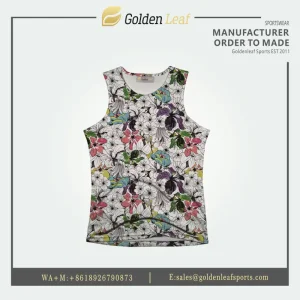
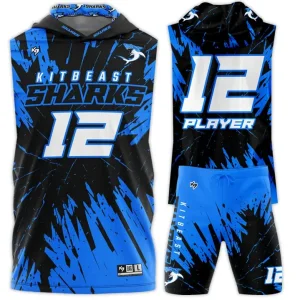
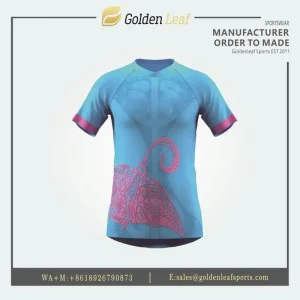
Whether you are expanding a global sportswear brand, procuring event apparel for international marathons, or sourcing private-label quick dry running shirts for B2B distribution, our team delivers tech-driven textile solutions backed by rigorous quality control.