GoldenLeaf Sports14+ Years Teamwear Manufacturer · Shenzhen, China
GoldenLeaf Sports14+ Years Teamwear Manufacturer · Shenzhen, China
A Comprehensive Technical Sourcing Framework, Material Engineering Analysis, and Global Supply Chain Benchmark for OEM/ODM Activewear Importers
Engineered for High-Stress Athletic Applications & Custom Sublimation Excellence
Decoupling Polymer Technological Advancements, Sourcing Trends, and Consumer Demand
2026 marks a structural shift toward bio-based poly-spandex formulations. Manufacturers are replacing virgin petroleum synthetics with closed-loop recycled micro-fibers that exhibit superior tensile strength and moisture-management ratings.
Nike-inspired silhouettes for 2026 emphasize zonal compression, seamless sonic welding, and kinetic body-mapping. Garments are engineered to minimize drag in high-velocity sports while optimizing muscular stabilization.
High-density nano-ink transfer replaces legacy silk screening. Modern B2B exporters utilize 1200 DPI digital print engines capable of deep color saturation without blocking fabric micropores or adding tactile weight.
The global performance apparel market is undergoing a seismic realignment heading into 2026. Driven by rising consumer expectations around versatility, extreme durability, and eco-sustainability, global athletic sportswear suppliers are forced to bridge the gap between technical athletic performance and high-street luxury aesthetics—a movement heavily pioneered by market leaders like Nike. For international buyers, sports clubs, brand distributors, and B2B exporters, understanding these structural shifts is essential for maintaining supply chain agility and high product margins.
Industrial manufacturing centers in Asia-Pacific, specifically specialized hubs in Shenzhen, Dongguan, and Fujian, have evolved from basic cut-and-sew units into vertically integrated innovation facilities. These facilities combine advanced material development, automated pattern grading, digital sublimation printing, and strict ISO-certified quality assurance processes under a single roof. As global shipping corridors stabilize and digital B2B procurement matures, enterprise buyers demand lower Minimum Order Quantities (MOQs), shorter lead times (12–18 working days), and direct access to OEM/ODM custom engineering.
To successfully curate sportswear inventories for 2026, importers must realign product design lines with four dominant industry design directions:
The line between specialized activewear and daily lifestyle apparel has fully dissolved. 2026 design trends focus on structured drop-shoulder cuts, high-gauge interlock knit polyloc fabrics, and clean, minimalist branding. Exporters are shifting toward multi-functional garments—such as performance polos and tight-fit compression long-sleeves that transition effortlessly from high-intensity training to casual corporate environments.
Inspired by Nike's elite thermal-mapping research, modern custom teamwear incorporates strategic mesh placement across high-heat zones (underarms, spine, and lateral torso). Utilizing 145–180 GSM bird-eye mesh and open-knit Cool-Max polyesters, garments ensure maximum air displacement and accelerated evaporation without compromising structural opacity.
Design language in 2026 balances high-chroma neon accents with deep, organic earth tones (olive green, muted slate, deep terracotta, and cobalt blue). Digital sublimation technology allows complex gradient blends, aboriginal motifs, geometric speed lines, and tonal sponsor integration that remain sharp and fade-resistant through aggressive wash cycles.
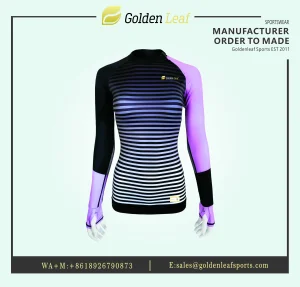
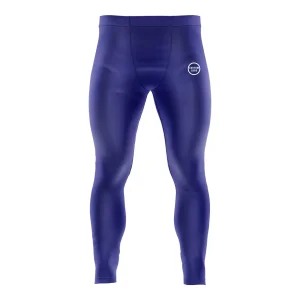
Compression garments, including women's tight-fit long-sleeves and men's specialized motocross base layers, utilize 4-way stretch poly-spandex blends (88% polyester, 12% elastane). These garments provide graduated pressure (15–20 mmHg) to enhance blood circulation, reduce muscle oscillation, and accelerate recovery during competitive play.
Selecting the optimal fabric weight and yarn construction is critical for OEM/ODM performance. Below is the technical specification matrix utilized by leading exporters for major sportswear categories:
| Sportswear Category | Material Composition | Fabric Weight (GSM) | Key Technical Features | Recommended Application |
|---|---|---|---|---|
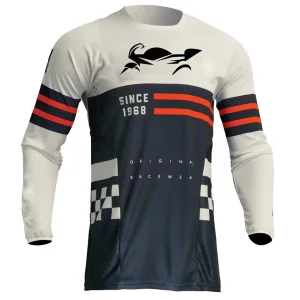
| Motocross Riding Jerseys | 100% High-Tenacity Polyester | 180 - 220 GSM | Abrasion resistant, reinforced elbows, elastic drop-tail | Off-road, Extreme Sports |
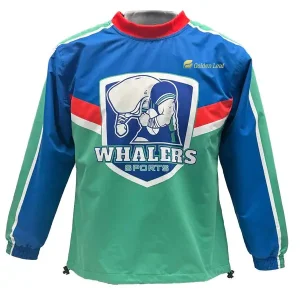
| Rugby Team Kits | Heavyweight Poly-Twill / Spandex | 280 - 320 GSM | Anti-grab weave, reinforced twin-needle seams, elastane collar | Contact Team Sports |
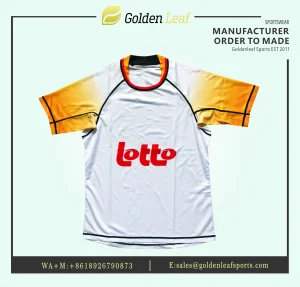
| Soccer & Basketball Kits | Micro-Mesh / Interlock Poly | 145 - 160 GSM | Moisture-wicking, quick-dry, anti-bacterial treatment | High-Aerobic Team Sports |
| Women's Compression Tops | 88% Poly / 12% Elastane Blend | 200 - 240 GSM | 4-way stretch, flatlock anti-chafing seams, UPF 50+ protection | Training, Athletics, Gym |
| Executive Sports Polos | 100% Cool-Max Poly / Bamboo Blend | 160 - 180 GSM | Anti-pilling, rib-knit collar, odor control, soft touch | Corporate Wear, Daily Staff Kits |
To outpace global competition, elite manufacturing exporters are adopting a 5-stage digital production framework:
Traditional manual grading often introduces fit inconsistencies across extreme size ranges (Youth 6Y to Adult 5XL). AI-driven CAD software automatically calculates proportional seam shifts, chest drops, and sleeve angles tailored to specific target demographics (US, EU, AU sizing blocks).
Following thermal transfer of sublimation inks onto transfer paper, white polyester rolls are processed through continuous-feed laser cutters equipped with vision registration cameras. The lasers scan alignment marks in real-time, eliminating edge fraying and ensuring graphic continuity across seam intersections.
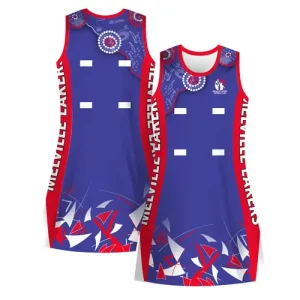
Garments subjected to intense physical friction—such as rugby kits, motocross tops, and netball bodysuits—utilize 6-needle, 4-thread flatlock stitching lines. This creates flat, ultra-smooth interior seams that eliminate chafing against the athlete's skin while maintaining maximum seam elasticity.
Environmental compliance is paramount for European and North American importers. Modern manufacturing lines use non-toxic, eco-friendly inks imported from Italy and Japan. Under precise heat (200°C–210°C) and pressure, pigment molecules turn directly into gas and fuse with the core of the synthetic polyester fiber, resulting in zero water consumption during the coloration phase.
Exporting high-quality activewear requires strict adherence to regional consumer standards and legislative mandates:
North America (US & Canada): High demand for oversized basketball fits, extra-length lacrosse pinnies, and heavy-duty moisture-wicking synthetic tees. Garments must comply with CPSIA guidelines for youth apparel, ensuring zero lead content in inks and heat-transfer neck tags.
Europe & United Kingdom: Focus on tailored fits, sustainable recycled fibers (GRS Certified), and strict chemical safety under REACH regulation. Polybag packaging must be 100% biodegradable or recyclable, with full traceability back to the raw fiber mill.
Oceania (Australia & New Zealand): High emphasis on sun protection (UPF 50+ rating required for outdoor cricket, rugby, and netball uniforms) and tear-resistant fabrics engineered for heavy physical contact sports.
Custom Uniform Kits, Activewear Bottoms & Specialized Team Apparel
Essential Insights for OEM/ODM Buyers, Importers, and Brand Managers