GoldenLeaf Sports14+ Years Teamwear Manufacturer · Shenzhen, China
GoldenLeaf Sports14+ Years Teamwear Manufacturer · Shenzhen, China
Explore our premium sublimated team kits, technical training shirts, and multi-sport performance apparel manufactured engineered for global brands and club teams.
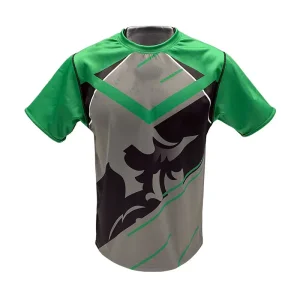
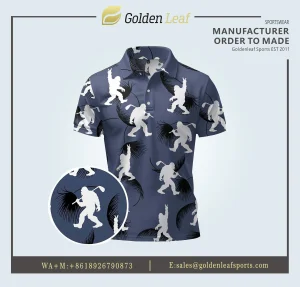
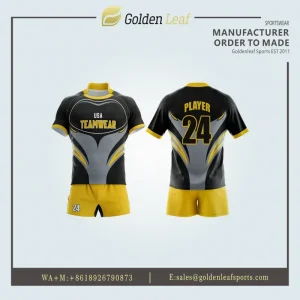
Analyzing market size shift, performance textile integration, and format-specific garment demands across professional and amateur cricket eco-systems.
Cricket has undergone a massive commercial transformation over the past decade. Driven by the global proliferation of franchise-based T20 and T10 leagues (such as the IPL, Big Bash, CPL, and MLC in the United States), the global market demand for the best t shirt design for cricket team uniforms has expanded beyond traditional sporting goods retailers into specialized B2B apparel supply chains. Professional clubs, regional sporting associations, academic institutions, and corporate sports organizations require tailored high-performance apparel that balances extreme durability with aerodynamic, thermo-regulating comfort.
Historically, cricket uniforms were dominated by heavy, 100% cotton fabrics suited primarily for traditional multi-day Test matches. Modern cricket dynamics demand sophisticated synthetic micro-polyester knits engineered with variable thread densities, moisture-wicking capillary channels, and high-stretch elastane blends. Whether supplying classic white/cream kits for red-ball cricket or vibrant, fully sublimated kits for white-ball T20 tournaments, professional OEM suppliers must master both graphic creativity and textile engineering.
Requires aggressive graphic aesthetics, high color-saturation sublimation, lightweight 140–160 GSM interlock fabric, and extreme breathability for explosive athletic movements during fielding and batting.
Demands UV Protection (UPF 50+), anti-yellowing cream/white fabric dyes, targeted mesh side-panel ventilation, and reinforced collar constructions built to withstand 6 to 8 hours under intense sun exposure.
Corporate sponsors and sports brands require rapid mock-up generation, strict Pantone color fidelity (Delta-E < 1.0), zero-defect seam strength, and scalable batch production from low MOQs to 100,000+ units.
A rigorous breakdown of fabric weight, yarn geometry, anatomical cutting, sublimation ink transfer, and seam construction.
Creating an exceptional cricket jersey is a specialized engineering discipline. A cricket player experiences unique biomechanical stresses during bowling, batting, and diving. The armhole geometry, torso sleeve articulation, and tensile stretch of the fabric must allow complete uninhibited 360-degree shoulder rotation. Below is an engineering comparison matrix of performance fabrics deployed by top-tier OEM suppliers like GoldenLeaf Sports.
| Fabric Type & Weave | GSM Range | Composition | Primary Technical Function | Ideal Placement Area |
|---|---|---|---|---|
| Micro Bird-Eye Mesh | 145 - 160 GSM | 100% Filament Polyester | Rapid moisture evaporation & 3D air permeability | Main Body Panels (T20 / One-Day Kits) |
| 4-Way Poly-Spandex | 170 - 190 GSM | 88% Poly / 12% Elastane | Extreme recovery, flexibility & abrasion resistance | Raglan Sleeves & Side Gussets |
| Jacquard Cool-Vent | 130 - 145 GSM | 100% Recycled Polyester | Engineered zoned cooling channels for thermal release | Underarm & Upper Back Heat Zones |
| Heavyweight Interlock Twill | 200 - 220 GSM | 100% Poly High-Pilling Resistance | Collar structure stability & placket durability | Polo Collars & Button Plackets |
The visual identity of modern cricket shirts relies on digital dye-sublimation printing. Unlike screen printing or rubber heat transfers, sublimation infuses Eco-friendly gaseous dye molecules directly into the core of the synthetic polyester fiber at 215°C under high mechanical pressure. This guarantees:
Standard casual T-shirt patterns fail on the cricket pitch. Professional OEM cricket shirts feature an extended drop-tail hem (preventing the shirt from untucking during bowling strides), ergonomic raglan sleeve construction to eliminate seam friction under pads, and 4-needle 6-thread flatlock stitching to eliminate skin chafing during multi-hour matches.
Why Shenzhen and Guangdong textile industrial clusters offer unparalleled speed, cost-efficiency, and quality control for global buyers.
When international brands and sports leagues search for reliable OEM suppliers for the best t shirt design for cricket team requirements, China—specifically the Shenzhen apparel manufacturing cluster—remains the gold standard. The synergistic concentration of digital printing hardware manufacturers, specialized dye houses, high-speed automated laser cutting systems, and skilled garment technicians delivers structural competitive advantages that cannot be replicated elsewhere.
Digital 3D CAD rendering within 24 hours. Physical pre-production sample creation in 5–7 working days via high-speed automated transfer presses.
Every batch undergoes inline optical pattern alignment, tensile seam testing, color spectrophotometer evaluation, drop-test packaging inspection, and needle detection.
From 10-piece custom club re-orders with dynamic player names/numbers up to 100,000-unit league-wide distributions produced under one roof.
Understanding regional pitch conditions, climate demands, and commercial compliance standards across global markets.
Global buyer specifications for cricket apparel vary dramatically by geography, climate, and league structure. An OEM manufacturer must possess deep market intelligence to tailor fabric selection and pattern cuts to localized requirements:
How eco-sustainable recycled yarns, smart moisture control, and 3D digital tech packs are reshaping the future of sports apparel manufacturing.
As sustainability and technological integration take center stage, the custom sportswear manufacturing sector is undergoing rapid evolution. Key industry shifts include:
Global sports leagues are mandating post-consumer recycled polyester (rPET) made from ocean plastic bottles. These fabrics match virgin polyester in tensile strength and color absorption while cutting carbon footprint by 45%.
Integrating permanent silver-ion microscopic antimicrobial treatments directly into the yarn matrix prevents bacterial growth and odor buildup during long summer multi-day matches.
Direct-to-garment 3D visualization tools allow buyers to inspect seam tension, collar fit, and logo placement virtually prior to physical cutting, reducing approval cycles from weeks to hours.
A step-by-step risk management framework for brand owners, club managers, and apparel distributors sourcing from China.
To eliminate procurement friction, GoldenLeaf Sports implements a transparent 8-stage manufacturing workflow. Every step is documented in our enterprise production ERP system, guaranteeing full batch traceability:
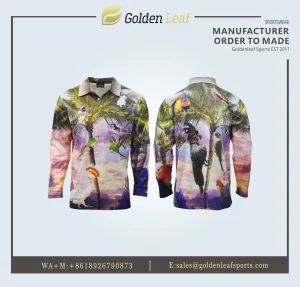
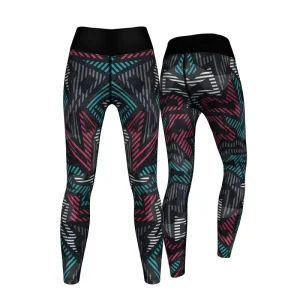
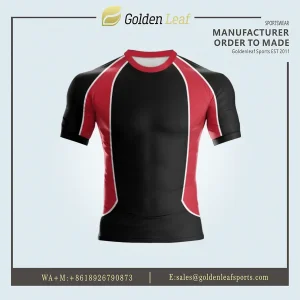
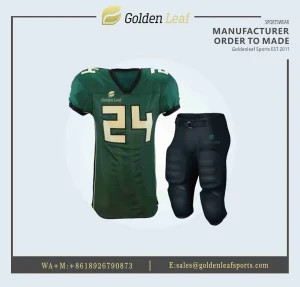
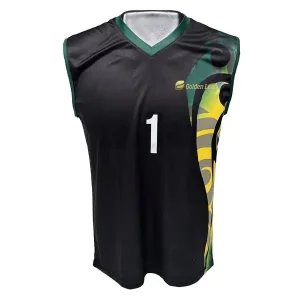
Browse our complete catalog of sports jerseys, activewear shorts, and multi-functional team kits engineered to OEM/ODM specifications.
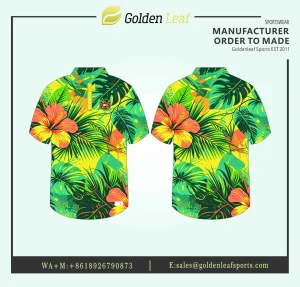
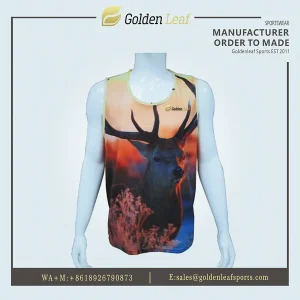
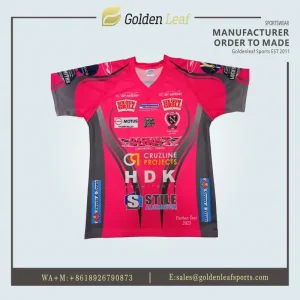
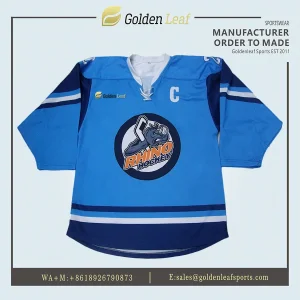
Direct technical and logistical answers from our senior apparel engineers and supply chain managers.