



GoldenLeaf Sports14+ Years Teamwear Manufacturer · Shenzhen, China
GoldenLeaf Sports14+ Years Teamwear Manufacturer · Shenzhen, China
Explore our engineering-grade custom sports apparel produced via advanced digital sublimation, laser cutting, and high-tensile stitching.
Analyzing the paradigm shift from heavy cotton fabrics to high-performance poly-spandex engineered gear across professional leagues and grassroots clubs.
Rugby union and rugby league represent some of the most physically demanding collision sports on earth. Historically dominated by heavyweight 380-420 GSM cotton twill jerseys with buttoned rubber collars, the industry underwent a seismic technological transformation during the early 2000s. Today, modern OEM rugby jersey design is governed by high-tensile synthetic polymer blends, aerodynamic ergonomics, dynamic thermal regulation, and sub-surface digital ink bonding.
The global market for rugby teamwear is expanding rapidly, driven by the commercial growth of tournaments such as the Major League Rugby (MLR) in North America, the European Champions Cup, the Super Rugby Pacific, and the global Rugby Sevens circuit. Modern purchasing agents, team outfitters, and brand distributors are no longer merely buying clothing—they are sourcing biomechanically optimized gear engineered to withstand dynamic impact forces exceeding 1,200 Newtons during tackles, scrums, and rucks.
Projections indicate that the global sports apparel market will exceed USD 250 billion by 2030, with specialized sublimated teamwear claiming a significant high-margin segment. Key commercial drivers in the OEM rugby sector include:
Discover the critical architectural pillars shaping next-generation match kits, training apparel, and fan merchandise.
Modern match jerseys feature an anatomical, figure-hugging profile engineered to restrict opponents from grabbing loose fabric during tackles. OEM factories utilize raglan sleeves and articulated shoulder panels to permit 360-degree arm rotation without pulling the shirt hem out of shorts.
Integrated silicon gripper dot matrix prints are strategically placed across the chest and forearm areas, providing enhanced friction and ball security during wet-weather ball handling and line-out catches.
The industry benchmark standard relies on an elastic combination of 220-280 GSM micro-interlock polyester and poly-elastane (88/12 or 92/8 split). This provides extreme tear resistance alongside 4-way elastic memory.
Fabrics are finished with specialized capillary moisture-wicking coatings, rapidly transporting perspiration away from the skin to the exterior surface for flash evaporation under intense athletic strain.
Traditional screen printing and heat transfer vinyls add unwanted weight and crack after exposure to friction. OEM sublimation infuses heat-activated gaseous dyes directly into the core polyester fibers.
By employing imported eco-friendly Italian inks, manufacturers achieve Grade 4+ color fastness (ISO 105-B02 standard), ensuring vibrant colors, vector-sharp sponsor logos, and fade resistance through hundreds of commercial wash cycles.
Traditional heavy fold-over collars have been entirely phased out of competitive match play due to injury risks during head-high tackles. modern collar design centers around low-profile Mandarin, bonded V-necks, or hybrid round-neck collars reinforced with double-stitched stretch tape.
Top-tier professional rugby squads depend heavily on real-time biometric telemetry. OEM suppliers now routinely integrate high-tensile, moisture-sealed GPS sensor pockets inner-sewn into the upper back seam between the shoulder blades.
Design aesthetics are shifting from basic block stripes toward complex cultural and indigenous artwork integration, particularly across Australian, New Zealand, and Pacific Island leagues. Digital sublimation enables full-body edge-to-edge printing of intricate motifs without adding weight or seam bulk.
A structural comparison detailing material selection, weight thresholds, and stitching techniques across different tier levels.
| Feature Parameter | Pro Match-Grade Tier | Club/Training Tier | Replica Fanwear Tier |
|---|---|---|---|
| Fabric Weight (GSM) | 260 - 280 GSM Poly-Spandex | 220 - 240 GSM Interlock Mesh | 150 - 180 GSM Bird-Eye Mesh |
| Fiber Composition | 88% Polyester / 12% Elastane | 100% High-Tenacity Polyester | 100% Breathable Micro-Poly |
| Seam Engineering | Flatlock 6-Needle Reinforced Stitch | Overlock Twin-Needle Seams | Standard Overlock Stitching |
| Tear / Tensile Rating | > 1200 N (ISO 13934-1) | > 850 N | > 500 N |
| Collar Architecture | Bonded Anatomic Low-Profile V-Neck | Sublimated Reinforced Crew/V-Neck | Standard Ribbed Collar |
| Gripper Technology | Integrated Silicon Chest/Arm Grips | Optional Forearm Grips | N/A |
| Fit Profile | Ultra-Compressive Anatomic Cut | Athletic Regular Fit | Comfort / Relaxed Fit |
Why leading global sports brands and distributors partner with Shenzhen-based OEM facilities for custom teamwear lines.
Located in the world’s most concentrated hardware and textile ecosystem, Shenzhen OEM manufacturers operate fully integrated production campuses. From digital pattern vectoring and precise RIP color profiling to high-speed digital printing, continuous roll heat sublimation, automatic camera-guided laser cutting, flatlock assembly, and rigorous 5-stage QC inspection—every phase occurs under one roof.
This total integration eliminates third-party outsourcing delays, ensuring unmatched quality control over Pantone accuracy, seam alignment, and dimensional stability.
Speed is critical in teamwear fulfillment. Shenzhen facilities leverage computerized pattern grading software and automated roll-to-roll printers that operate 24/7.
How technical specifications adapt to climatic conditions, regulatory standards, and cultural preferences across key markets.
Home to NRL, Super Rugby, and grass-roots sub-unions. Key demands emphasize UPF 50+ UV solar protection ratings, lightweight 220 GSM high-stretch poly-spandex formulations for hot summer Sevens play, and integration of authentic First Nations / Pasifika cultural artwork.
Characterized by wet, muddy winter pitches and intense physical contact. Procurement standards require heavyweight 260-280 GSM poly-twill/interlock with water-repellent DWR exterior treatments, thermal insulation capabilities, and 6-needle flatlock seam security.
Driven by the rapid expansion of collegiate club programs, high school varsity leagues, and MLR expansion. Buyers require complete packaged solutions—including match jerseys, shorts, team travel apparel, hoodies, and sublimated socks—backed by streamlined direct-to-club drop-shipping.
Next-generation developments transforming OEM manufacturing standards through 2030 and beyond.
Environmental compliance is shifting from an optional feature to a procurement baseline. OEM suppliers are transitioning to 100% post-consumer recycled rPET yarns sourced from ocean-bound plastic bottles.
Advanced spinning techniques ensure that rPET delivers identical tensile strength, elasticity, and sublimation ink absorbency as virgin polyester.
Innovations in industrial dye sublimation presses are minimizing electrical consumption and achieving near-zero wastewater discharge during high-temperature gas transfer, helping global brands meet strict ESG benchmarks.
Future iterations of match jerseys will embed flexible conductive threads directly into the weave, turning the fabric itself into a heart rate, respiration, and impact-force biometric sensor.
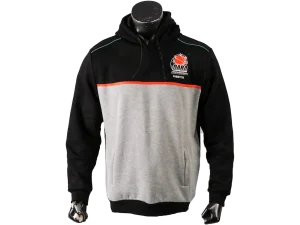
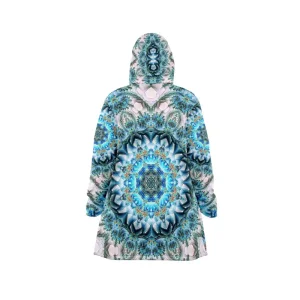
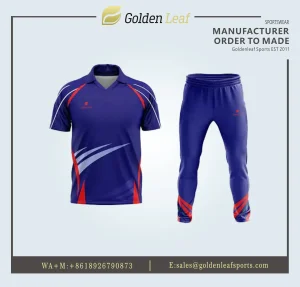
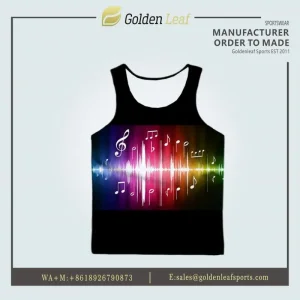
Explore our complete product line covering multi-sport uniforms, outer jackets, performance shorts, and activewear.
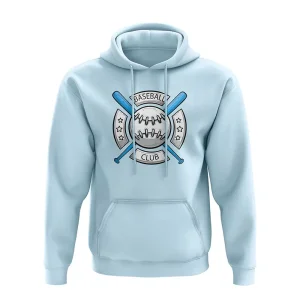
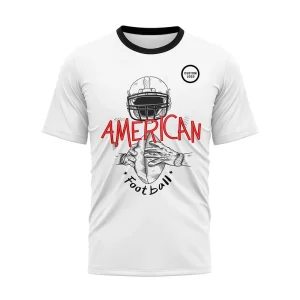
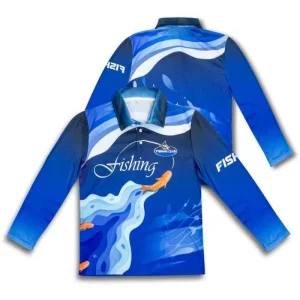
Factory-level technical answers covering MOQs, sublimation specs, quality control benchmarks, and international shipping parameters.