GoldenLeaf Sports14+ Years Teamwear Manufacturer · Shenzhen, China
GoldenLeaf Sports14+ Years Teamwear Manufacturer · Shenzhen, China
Direct factory export configurations for ice hockey, multisport leagues, and athletic apparel brands worldwide.
The international ice hockey equipment and apparel market has undergone a structural shift toward high-efficiency, digitally integrated OEM (Original Equipment Manufacturer) and ODM (Original Design Manufacturer) production hubs. Historically dominated by rigid, high-MOQ traditional screen-printing techniques, the contemporary ice hockey sector demands absolute weight optimization, structural abrasion resistance, moisture management under low ambient temperatures, and rapid-turnaround customization.
Professional hockey clubs, collegiate programs, regional athletic associations, and commercial sportswear brands require suppliers capable of seamlessly delivering multi-panel engineered garments. As body protection equipment evolves—utilizing lightweight carbon composites and impact-absorbing polymers—the outer jersey standard must correspondingly evolve to prevent structural binding, seam rupture under tension, and thermal heat buildup during intense shifts.
A deep dive into the textile chemistry, stitch patterns, and digital sublimation physics utilized by premier Chinese manufacturing facilities.
Engineered hockey jerseys rely on specialized 100% polyester interlock cloths ranging from 180 GSM to 240 GSM. Micro-mesh side paneling utilizes a high-void bird-eye pattern (145–160 GSM) to facilitate rapid moisture evacuation while maintaining high tensile strength across seam lines.
Utilizing imported eco-friendly Italian and Japanese sublimation inks, the print process relies on high-temperature gaseous dye infusion (200°C–215°C). Dye molecules permanently bond with the polyester polymer matrix, ensuring absolute color-fastness (Grade 4+ rating) without fading, cracking, or stiffening the fabric breathability.
Given the dynamic body movement and equipment bulk in hockey, key stress joints (neck gusset, raglan armhole inserts, and fight-strap anchor points) feature twin-needle flatlock and heavy-duty overlock seam execution to prevent structural shear failure during physical engagement.
Tailoring jersey construction parameters to specific geographical markets, league levels, and playing environments.
Requires oversized armhole grading to accommodate heavy shoulder harness gear, integrated interior fight straps with double-layered snap studs, and heavy 220 GSM dimple-mesh elbow reinforcements suited for intensive board contact.
Emphasizes multi-sponsor sublimation layout management where pristine graphic clarity is mandatory across dozens of high-resolution vectors without increasing total garment unit weight.
Optimized for indoor non-refrigerated arenas. Utilizing ultra-lightweight 145 GSM micro-filament mesh fabrics with maximum cross-sectional moisture-wicking properties to prevent overheating.
Operating out of Longgang District, Shenzhen—a world-renowned hub for advanced textile technology and logistics integration—facilities like GoldenLeaf Sports (ShenZhen) Co., Ltd. represent the apex of direct-factory efficiency.
From vector artwork preparation, block pattern grading, and RIP color profile matching, to automated laser cutting, sewing lines, and 5-stage QA/QC signoffs—every operation takes place under one 3,000 m² roof.
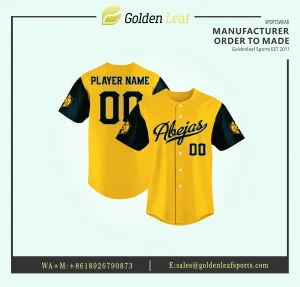
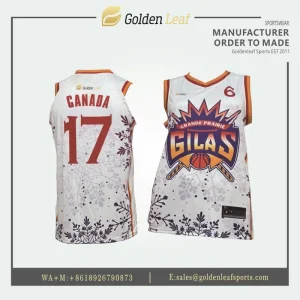
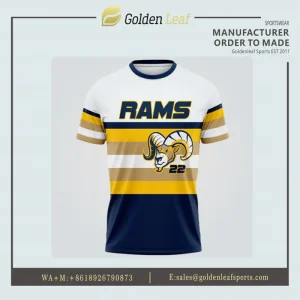
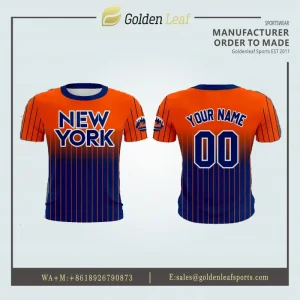
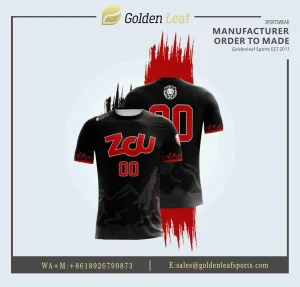
By printing full panels prior to precision laser cutting, production lines maintain extreme agility. Clients benefit from low MOQs (10 pieces per design), allowing individual player customization (names, numbers, sizing) inside small production runs without setup surcharges.
Direct access to Shenzhen/Yantian ports and express air freight networks allows typical production turnaround times of 12–18 working days for bulk orders (300–1,000 pcs), with air shipping options reaching North America and Europe within 3–5 days.
Pioneering sustainable, smart, and AI-optimized sportswear production processes.
Transitioning standard jersey stocks to rPET yarns derived from post-consumer plastic bottles without compromising tear resistance or sublimated color vibrancy.
Integrating artificial intelligence pattern layout engines to minimize fabric waste by up to 14%, directly reducing per-unit material costs for OEM clients.
Implementing next-generation dry-sublimation closed loops, reducing water consumption to zero and lowering thermal energy consumption during heat pressing.
To uphold strict E-E-A-T (Experience, Expertise, Authoritativeness, and Trustworthiness) standards, our factory adheres to rigorous international quality protocols. Every finished garment undergoes a 5-step QA/QC check covering size tolerance verification (+/- 1cm block adherence), seam tensile stress testing, color match confirmation against Pantone codes, and hardware checks on zippers and fight straps.
Custom woven neck labels, heat-seal care tags, custom logo packaging polybags, branded size stickers, and barcodes pre-applied for direct retail distribution.
Materials comply with OEKO-TEX Standard 100 guidelines, verifying the complete absence of harmful azo dyes, heavy metals, or phthalates in sublimated apparel.
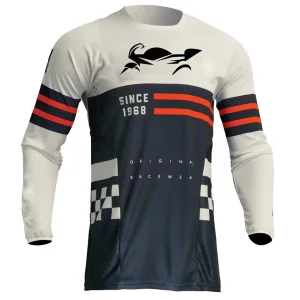
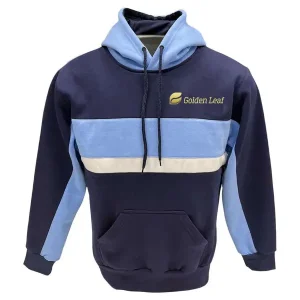
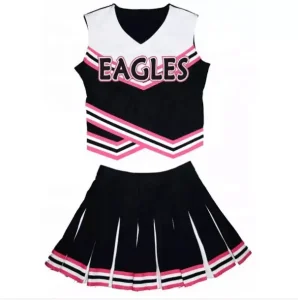
Explore additional specialized teamwear categories produced inside our Shenzhen facility.
Direct technical responses addressing commercial purchasing, customization standards, and operational workflows.
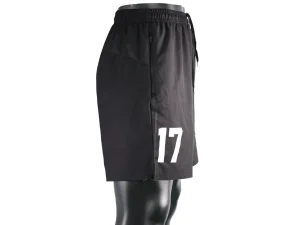
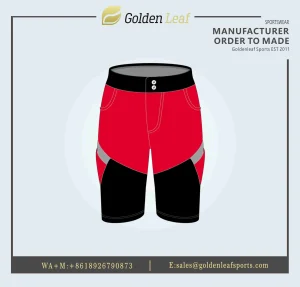
Our standard production MOQ is 10 pieces per design for custom sublimated hockey jerseys, pinnies, and shorts. Because each fabric panel is printed individually via digital dye-sublimation prior to cutting, each jersey inside a single 10-piece order can feature distinct player names, individual numbers, and specific size gradings (from Youth 6Y up to Adult 5XL) at no additional setup charge.
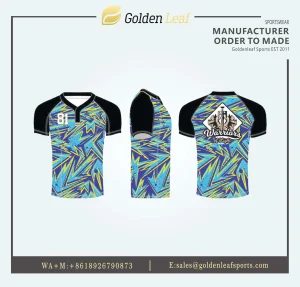
Full digital sublimation embeds the artwork directly into the synthetic fibers, resulting in zero weight addition, maximum breathability, and absolute resistance to peeling or cracking over time. However, for professional leagues seeking traditional tactile texture, our factory also offers hybrid construction: full dye-sublimated base bodies combined with stitched tackle twill patches, embroidered chest crests, or 3D silicone heat-transfer crests.
Digital vector mock-ups are generated within 24 to 48 hours. Physical pre-production samples require 5–7 working days for printing, cutting, and assembly. Once the physical sample is approved, bulk production of 300 to 1,000 units is completed within 12–18 working days inside our Shenzhen facility, followed by fast air courier dispatch (3–5 transit days) or ocean freight depending on client terms (FOB, EXW, or DDP).
Yes. Full ODM and private-label customization is standard across our lines. We manufacture custom-woven neck labels, heat-transferred inner neck size prints, customized hang tags with barcodes, branded individual polybags, and custom master carton labeling to support seamless integration into your retail or club logistics network.
For contact ice hockey, we recommend 200–220 GSM heavyweight polyester interlock or dimple mesh, paired with reinforced double-layered shoulder and elbow patches to resist tearing from pads and equipment friction. For inline or street hockey, we utilize 145–160 GSM open bird-eye mesh or micro-mesh to maximize air cooling and reduce overall garment weight in warm environments.