GoldenLeaf Sports14+ Years Teamwear Manufacturer · Shenzhen, China
GoldenLeaf Sports14+ Years Teamwear Manufacturer · Shenzhen, China
Explore our primary export-grade sportswear product lines manufactured using high-tensile polyester, advanced moisture management, and digital sublimation technology.
The global market for OEM Long Sleeve Rugby Shirts has evolved from a niche heritage sportswear segment into a multibillion-dollar crossover industry spanning professional athletics, collegiate varsity apparel, brand merchandise, and premium streetwear athleisure. Originally crafted in mid-19th century England to withstand high-impact physical contact on muddy pitches, the structural architecture of the long sleeve rugby shirt—defined by its heavy-duty woven collar, reinforced button placket, and elasticated cuffs—has become a cornerstone of athletic performance and modern fashion taxonomy.
According to modern apparel trade metrics, the global demand for custom teamwear and classic sports shirts is projected to expand at a CAGR of 6.8% over the next decade. Sourcing directors, brand managers, and procurement leads from North America, Europe (UK, France, Ireland), and the Oceania region (Australia, New Zealand) are increasingly seeking specialized Original Equipment Manufacturers (OEM) and Original Design Manufacturers (ODM) capable of balancing traditional craftsmanship with advanced textile technology.
Today's commercial buyer faces a dual dilemma: balancing authentic physical durability (resistant to tearing during tackles, scrums, and multi-cycle industrial washing) with contemporary ergonomics (moisture management, thermal breathability, and weight reduction). Modern manufacturing paradigms have shifted away from standard 100% heavy carded cotton toward high-tensile technical polyesters, poly-cotton blends, and engineered micro-knits. Consequently, identifying a manufacturer that possesses deep vertical integration—from raw fabric knitting and color-matching RIP profiles to digital sublimation and precision laser cutting—is a critical strategic priority for apparel brands aiming to maintain gross margins while delivering superior product value.
From an engineering standpoint, producing a professional-grade Long Sleeve Rugby Shirt requires strict adherence to textile chemistry, mechanical tensile strength standards, and precise pattern drafting. Below is a comprehensive breakdown of the core componentry utilized in high-performance OEM production:
The collar is the defining structural hallmark of an authentic rugby shirt. OEM specifications utilize heavy-duty cotton twill or reinforced polyester twill (220–280 GSM) sewn with double-needle topstitching. This prevents collar curling ("bacon collar") after repeated laundry cycles and ensures the collar retains shape under physical stress during play.
Standard plastic buttons pose a severe hazard during high-contact sports as they shatter under impact. Factory specifications require soft, flexible rubber buttons anchored to a concealed, multi-layered herringbone tape placket. This hidden placket design minimizes scratch risks while offering high tear resistance.
Options range from traditional 100% carded heavyweight cotton (280–360 GSM) for lifestyle brands to advanced 100% polyester interlock micro-mesh (180–240 GSM) with 4-way spandex stretch inserts for modern athletic match play. All synthetic fabrics undergo hydrophilic treatments for moisture management.
Professional rugby garments feature flatlock or reinforced overlock stitching with high-tenacity polyester filament threads. Stress points—including armhole junctions, side vents, and collar bases—are reinforced with bar-tack stitching capable of withstanding forces in excess of 400 Newtons.
| Performance Metrics | Traditional Heavyweight Cotton | Poly-Cotton Hybrid (OEM Standard) | Digital Sublimated Technical Polyester |
|---|---|---|---|
| Average Fabric Density (GSM) | 300 - 380 GSM | 240 - 280 GSM | 180 - 240 GSM |
| Moisture Absorption & Wicking | Slow drying, retains water/sweat | Moderate dry rate | Ultra-fast wicking (Hydrophilic finish) |
| Color Fastness (ISO 105-B02) | Grade 3-4 (Gradual fading over washes) | Grade 4 | Grade 4.5 - 5 (Zero fading, permanent dye ink) |
| Customization Capabilities | Screen print, embroidery, appliques | Embroidery, screen print, heat transfer | Unlimited digital graphics, logos, gradient prints |
| Tear & Tensile Strength | High physical resistance | Very High physical resistance | Maximum structural elasticity & tear recovery |
| Primary Target Market | Heritage fashion, collegiate, casual wear | Corporate uniforms, school teamwear | Professional rugby union/league match play |
When sourcing OEM Long Sleeve Rugby Shirts at enterprise scale, production efficiency, material access, and turn-around velocity are paramount. Operating out of Shenzhen, China—a global apex hub for advanced garment technology and digital sublimation innovation—manufacturers offer distinct strategic efficiencies that foreign facilities in South Asia or Southeast Asia cannot readily match:
Within a 50-kilometer radius in Guangdong province, raw fabric mills, specialized dye houses, high-precision laser-cutting facilities, trim suppliers (custom rubber buttons, woven neck tags), and international shipping ports (Yantian/Shekou) operate seamlessly. This geographic consolidation reduces raw material procurement lead times by up to 60% compared to fragmented supply chains.
Shenzhen apparel plants lead the industry in large-format Japanese digital printing machinery (e.g., Mimaki, Epson) paired with high-purity imported Eco-friendly inks. This guarantees Pantone-accurate color calibration (Delta E < 1.0), deep penetration into synthetic fibers, and absolute color fastness without changing the breathability or hand-feel of the fabric.
Equipped with 3D CAD pattern grading and computer-guided automated cutting tables, Chinese factory technicians can transition from virtual 2D art proofs to finished physical pre-production samples in as little as 5 to 7 working days. Flexible production lines handle both short-run custom team rosters (MOQ from 10 pcs) and mass commercial shipments (300,000+ units per year).
Professional OEMs employ multi-stage Quality Assurance (QA) protocols governed by international ISO 9001 standards. Every single long sleeve rugby shirt undergoes strict inline dimensional checkpoints, seam tension stress testing, collar alignment audits, and needle-detector safety screening prior to polybagging and master carton packing.
Understanding the diverse end-use cases of long sleeve rugby shirts is critical for procurement officers and brand creators. Our custom OEM capabilities cater directly to four dominant commercial market segments:
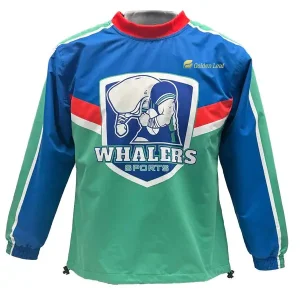
Requirements: Ultra-durable, tear-resistant 100% technical polyester, elastane stretch gussets, sublimated team crests, sponsor logos, player numbers, and anti-grab fitted silhouette.
Scenario: Professional Rugby Union & Rugby League clubs competing in high-impact national tournaments require kits engineered to withstand violent friction without tearing, all while managing body heat during winter matches.
Requirements: Heritage 100% heavy cotton or heavy poly-cotton yarn-dyed stripes, heavy canvas collar, embroidered chest patches, back felt applique numbers, loose unisex classic fit.
Scenario: Ivy League universities, European alumni associations, and high-school sports departments order custom varsity rugby shirts as classic spirit wear, graduation memorabilia, and campus bookstore merchandise.
Requirements: Custom oversized fashion boxy cuts, custom garment washes (acid wash, vintage stone wash), high-density screen printing, rubberized branding, custom main labels, care tags, and polybag packaging.
Scenario: Independent fashion labels and direct-to-consumer (D2C) brands leverage the rugby shirt aesthetic as a signature piece in seasonal urban collections, requiring meticulous fashion-forward tailoring.
Requirements: Smart-casual aesthetics, pill-resistant durable fabric blend, stain-release coatings, subtle left-chest corporate embroidery, consistent pantone color matching across male/female sizing.
Scenario: Corporate enterprises, automotive groups, and outdoor event organizers seek durable, stylish long sleeve collared shirts that offer unified brand representation and employee comfort in outdoor settings.
For global apparel buying offices, procurement directors, and brand CEOs, selecting the right long sleeve rugby shirt supplier involves far more than comparing per-unit FOB prices. Mitigating supply chain risks requires evaluating factory capabilities across four critical operational dimensions:
A professional OEM must possess dedicated in-house apparel technicians who can interpret complex tech packs, vector artwork (AI, PDF, EPS), and spec sheets. Digital 2D/3D mockups should be delivered within 24 to 48 hours, ensuring pattern grading matches destination market size charts (US, EU, AU/NZ, Asian specs) without distortion.
Modern inventory management demands high agility. Standard bulk manufacturing requires MOQs starting at 100–300 pieces per design for custom woven garments. However, advanced sublimation lines allow micro-batch runs down to 10 pieces per design, allowing brands to test market demand with minimal capital tie-up.
Global regulatory frameworks (such as EU REACH, US CPSIA, and OEKO-TEX Standard 100) strictly limit heavy metals, azo dyes, and phthalates in wearable textiles. Qualified Chinese manufacturers utilize water-based, non-toxic, eco-friendly sublimation inks and certified recycled polyester (rPET) derived from post-consumer plastic bottles.
Enterprise procurement demands flexible commercial shipping terms including EXW, FOB (Shenzhen/Hong Kong), CIF, and full DDP (Delivered Duty Paid) door-to-door delivery. A vertically integrated manufacturer handles export customs declaration, tariff documentation, and air/sea freight integration efficiently.
The custom long sleeve rugby shirt manufacturing sector is undergoing rapid technological disruption driven by consumer demand for sustainability, hyper-customization, and digital integration. Key trends shaping the next decade include:
Transitioning from virgin polyester to 100% GRS-certified (Global Recycled Standard) recycled ocean plastic yarns. These micro-polyester filaments deliver identical tensile strength and moisture wicking properties while reducing carbon footprint by up to 45% during polymer extrusion.
Modern aesthetic preferences favor combining full-body digital sublimation (for complex panel striping and sleeve patterns) with high-density 3D rubberized chest logos and traditional felt crest appliques, creating multi-textured, premium-grade athletic garments.
Integration of silver-ion antimicrobial coatings into knit fibers to eliminate odor-causing bacteria during multi-hour wear, alongside phase-change materials (PCM) that actively absorb body heat during exertion and release heat during recovery periods.
Implementation of camera-guided vision laser cutting machines that automatically identify sublimation registration marks on printed fabric rolls. This guarantees millimeter-perfect panel alignment before sewing, eliminating human error in stripe matching across seams.
Direct, factory-level technical answers addressing key operational, material, and commercial sourcing inquiries.
Our flexible manufacturing lines offer a minimum order quantity (MOQ) starting at 10 pieces per design for fully sublimated technical performance rugby jerseys. This includes full customization of player names, numbers, team logos, and individual sizing within the same 10-piece batch at no extra charge. For traditional custom yarn-dyed 100% heavy cotton woven rugby shirts with custom knit collars, our standard baseline MOQ starts at 100 to 300 pieces per design due to fabric mill dyeing minimums.
Once your vector artwork tech pack is signed off, 2D/3D digital mockups are returned within 24 to 48 hours. Physical pre-production samples require 5 to 7 working days for printing, cutting, and sewing. Standard bulk production runs (300 to 1,000 units) ship in approximately 12 to 18 working days directly from our Shenzhen production facility. Express air shipping via DHL/UPS/FedEx takes an additional 3 to 5 days, while sea freight door-to-door delivery averages 20 to 35 days depending on destination port.
Digital dye-sublimation heat-transfers eco-friendly ink directly into the molecular structure of high-tensile polyester fibers at elevated temperatures. Unlike traditional screen printing or heavy vinyl transfers, sublimated graphics will never crack, peel, fade, or add extra weight to the shirt. Furthermore, it keeps the micro-mesh fabric fully breathable and moisture-wicking. Embroidery and felt appliques remain recommended for traditional cotton lifestyle collar shirts where a textured tactile crest is desired.
Yes, we provide complete end-to-end ODM and private-label manufacturing services. We can produce custom woven neck labels, heat-transfer inner size/care labels, branded hang tags, barcoded SKU stickers, and custom printed polybag packaging according to your exact brand design specification. Reversible garments, aboriginal artwork designs, and custom rubber button plackets are fully engineered in-house.
For professional match play, we strongly recommend 220 to 260 GSM 100% polyester interlock micro-mesh or poly-spandex blends with hydrophilic wicking treatment and reinforced flatlock seams to resist physical pulling and tearing. For streetwear, lifestyle, or collegiate teamwear, we recommend 280 to 340 GSM 100% carded cotton twill or 65/35 poly-cotton fleece to deliver an authentic structure, soft hand-feel, and premium weight.
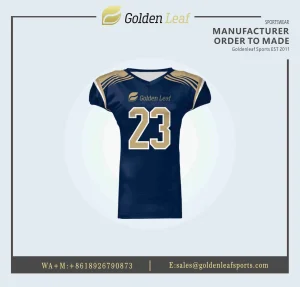
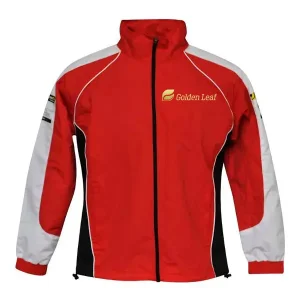
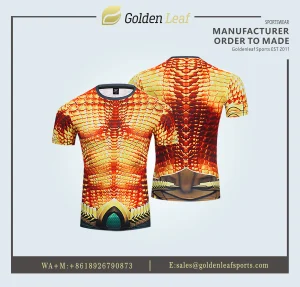
Review additional custom gear categories engineered and exported worldwide by our Shenzhen manufacturing unit.