GoldenLeaf Sports14+ Years Teamwear Manufacturer · Shenzhen, China
GoldenLeaf Sports14+ Years Teamwear Manufacturer · Shenzhen, China
Over the past three decades, global football equipment manufacturing has transitioned from a localized, craft-based assembly process into a hyper-specialized, data-driven high-tech sector. Modern gridiron American football and association soccer equipment are no longer static products made of heavy leather, cotton twill, or rigid molded plastics. Today’s athletic gear represents an integration of advanced biomechanics, polymer chemistry, aerodynamic textile engineering, and smart digital manufacturing.
For B2B buyers, wholesale distributors, and sports brand procurement directors, understanding how football equipment has changed is vital to securing commercial market share. Factory floor automation, digital dye-sublimation, custom knit technology, and sustainable recycled synthetic fibers have altered the economic dynamics of bulk equipment procurement. Modern factories must now deliver lower Minimum Order Quantities (MOQs), ultra-fast rapid sampling cycles, and unmatched durability under extreme physical strain.
The transformation of football equipment can be categorized into four major technological leaps across materials, garment construction, and protective hardware engineering.
Historically, legacy football uniforms relied on heavy cotton canvas or single-knit nylon fabrics. These materials retained moisture, becoming significantly heavier when wet, restricting player mobility and exacerbating athlete fatigue. Modern manufacturers utilize engineered polyester blends (such as 88% Poly / 12% Spandex interlock, micro-mesh, and bird-eye structures) ranging from 145 GSM to 280 GSM.
These fabrics incorporate capillary moisture-wicking technology, pulling sweat away from the epidermis to the outer layer for rapid evaporation. Furthermore, 4-way stretch polymers allow full range of motion for shoulder pads and leg movement while maintaining resistance against opponent grab forces during tackles.
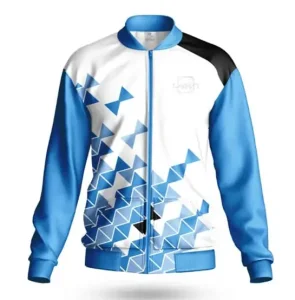
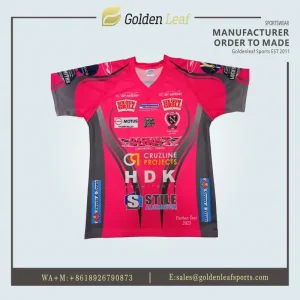
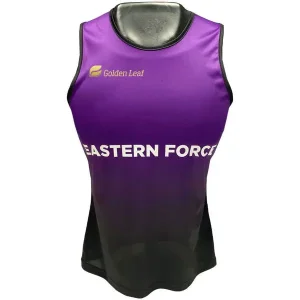
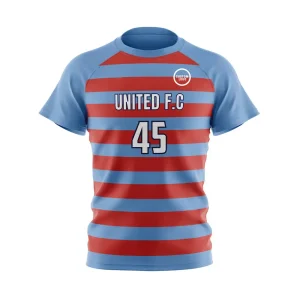
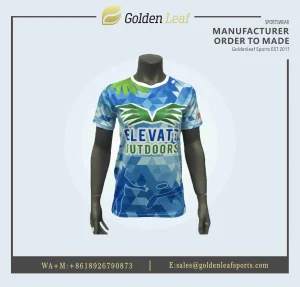
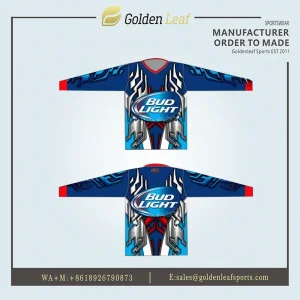
Traditional equipment customized via heavy rubberized vinyl or traditional screen-printing suffered from cracking, peeling, and added garment dead-weight. The modern industrial standard is high-precision Italian/Japanese ink digital dye-sublimation.
Through high-temperature gas transfer (200°C / 392°F), eco-friendly inks penetrate the molecular core of the synthetic fiber. This produces vibrant, weightless, permanent graphics with Grade 4+ color fastness, completely eliminating garment stiffness and facilitating uninhibited breathability.
Gridiron protective gear has transitioned from thick, cumbersome foam and rigid PVC shells to lightweight shock-absorbent materials. Factories now utilize TPU (Thermoplastic Polyurethane), molded EVA foam, and carbon-fiber composite plating.
Non-Newtonian fluid padding technologies remain soft and flexible during movement but instantaneously harden upon high-velocity impact, dissipating energy efficiently to prevent concussions and muscular trauma.
Legacy manual pattern cutting introduced minor dimensional variances between uniform sizes. State-of-the-art factories employ optical registration camera systems coupled with automated industrial laser cutters.
This guarantees sub-millimeter precision, sealed anti-fray fabric edges, perfect stripe-to-seam matching, and flawless anatomical grading from youth sizes (6Y) up to professional extended athletic cuts (5XL).
China—specifically key manufacturing clusters such as Shenzhen, Dongguan, and the Greater Bay Area—serves as the epicenter of global technical sportswear manufacturing. Sourcing B2B football gear from established Chinese factories provides distinct supply chain capabilities that overseas competitors cannot replicate.
Within a 50-kilometer radius, Chinese manufacturers access complete supply ecosystems: yarn spinning mills, custom dye houses, digital printer suppliers, specialized trim/zipper makers, and packaging plants. This vertical density drastically reduces raw material lead times.
Leading OEMs deploy multi-stage quality gates adhering to AQL 2.5 international standards. Automated color matching (spectrophotometry), tensile strength testing, seam pull-strain verification, and five-stage manual inline inspections ensure 0% defective exports.
Chinese manufacturers excel at flexible manufacturing systems (FMS). Whether producing low-volume, personalized roster kits with player names/numbers or mass 100,000-piece retail apparel runs, factory lines switch configurations seamlessly with zero downtime.
As global B2B procurement demands shift toward sustainability, transparency, and rapid restock cycles, advanced football equipment manufacturers are deploying comprehensive structural solutions:
Environmental compliance is mandatory for tier-1 brands. Leading factories now utilize 100% GRS-certified (Global Recycled Standard) recycled polyester derived from post-consumer ocean and landfill plastic bottles (rPET). Waterless sublimation printing and non-toxic OEKO-TEX Standard 100 certified inks drastically reduce environmental footprints.
The next frontier is smart sportswear. Modern football jerseys and compression gear incorporate micro-pockets engineered specifically to house GPS tracking pods, telemetry sensors, and heart-rate monitoring hardware. Compression fabrics feature conductive yarn zones to transmit bio-data directly to coaching analytics staff.
To eliminate excess inventory risk for sports brands and distributors, modern factories offer dynamic micro-batch replenishment schedules. Automated digital nesting software maximizes fabric yield, allowing fast 10-piece re-orders at full bulk unit pricing within short 7-day windows.
Equipment requirements vary significantly based on end-user application, regulatory league standards, and geographic climate conditions:
Key Requirements: Ultra-lightweight 145–160 GSM athletic fit, flatlock seamless stitching to prevent chafing, strategic laser-cut ventilation ports along rib panels, and high spandex elastane composition for tight anti-tackle fit.
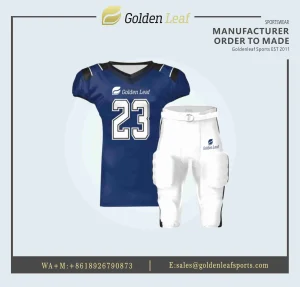
Key Requirements: Heavy-duty 220–280 GSM reinforced double-ply yoke construction, elastic arm openings to lock around shoulder pads, extreme tear-resistance, and complete customization with player names and squad numbers.
Key Requirements: Turnkey OEM/ODM service including custom woven neck labels, barcode hangtags, printed eco-polybags, custom master cartons, and low minimum sample fees for seasonal collection launches.
Essential technical and commercial insights for purchasing managers, apparel brands, and sports kit distributors.
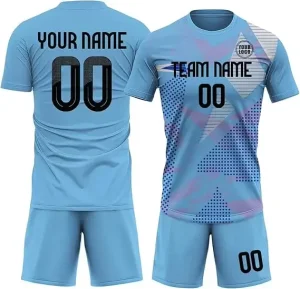
Legacy screen printing required high set-up costs per color screen, making small runs cost-prohibitive. Digital dye-sublimation allows factories to print continuous rolls of fabric directly from vector artwork files. This enables flexible minimum order quantities starting as low as 10 pieces per design, while allowing individual player names, numbers, and sizes within the same order without incurring extra setup fees.
For association soccer jerseys, lightweight 145–160 GSM 100% micro-polyester or bird-eye mesh is preferred for optimal heat dissipation. For American football and rugby, heavy-duty 220–280 GSM poly-spandex blends (88/12 or 90/10) with 4-way stretch interlock structure are required to withstand physical tackling forces without tearing.
Professional OEMs use digital spectrophotometers and RIP (Raster Image Processor) color management profiles linked to official Pantone Matching System (PMS) codes. Production files and color profile data are archived digitally per client account, guaranteeing that repeat orders produced months or years later match initial production colors within a strict delta E threshold (<1.5).
Standard sample prototyping is completed within 3 to 5 business days after artwork approval. Bulk manufacturing (300 to 2,000 units) typically requires 12 to 18 working days. Express air shipping delivers goods globally within 4–7 days, while sea or rail freight offers cost-efficient delivery for large bulk orders within 20–35 days.
Reputable factories should maintain ISO 9001 Quality Management Certification, BSCI (Business Social Compliance Initiative) or WRAP social auditing compliance, and OEKO-TEX Standard 100 certification for raw fabrics and inks. Eco-conscious buyers should also request GRS (Global Recycled Standard) certification for recycled polyester textiles.