GoldenLeaf Sports14+ Years Teamwear Manufacturer · Shenzhen, China
GoldenLeaf Sports14+ Years Teamwear Manufacturer · Shenzhen, China
Explore our high-performance technical apparel range engineered with zero-fade digital sublimation and ergonomic seam placement.
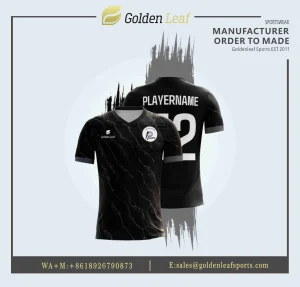
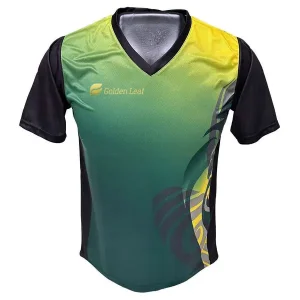
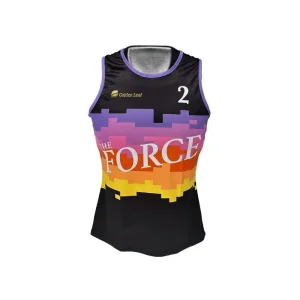
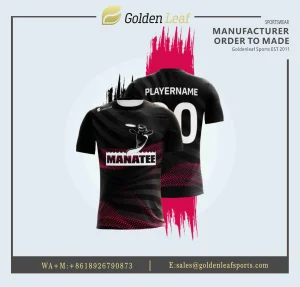
From sideline performance to recognized elite athletic discipline: Understanding market expansion, structural shifts, and demand drivers for modern teamwear.
Cheerleading has evolved exponentially from localized sideline entertainment into an internationally governed sport overseen by the International Cheer Union (ICU). Following provisional and full recognition by the International Olympic Committee (IOC), competitive cheer demands rigorous athletic standards. This structural transformation has fueled a global expansion across North America, Europe, Asia-Pacific, and Latin America.
As routines incorporate high-impact tumbling, pyramids, basket tosses, and complex choreography, the equipment—specifically cheerleading uniforms—has undergone a massive technical pivot. Traditional heavy cottons and rigid polyester knits have been permanently displaced by engineered 4-way stretch poly-spandex blends capable of handling severe multi-directional tension.
The cheerleading market is broadly bifurcated into two high-volume economic engines: All-Star Gyms and Scholastic/Collegiate Athletic Programs. All-Star programs require bespoke, visual-heavy aesthetics featuring digital dye sublimation, intricate mesh cutouts, and specialized rhinestone embellishments. These teams rotate uniform designs on tight 1-to-2-year cycles, prioritizing branding uniqueness and stage presence.
Conversely, High School and University teams operate on strict procurement cycles demanding maximum structural durability, standardized team color matching, and multi-season re-order capability. Manufacturers must master both low-volume custom complexity and high-volume standardized production to succeed in this supply ecosystem.
Strategic Insight for B2B Buyers: Modern cheer brands no longer seek simple garment sewers; they mandate integrated manufacturing partners who possess advanced textile R&D capabilities, digitized pattern grading software, and verified anti-sheer fabric testing infrastructure.
How technological integration in OEM/ODM hubs like Shenzhen delivers unparalleled precision, rapid prototyping, and cost optimization.
China's Pearl River Delta (specifically Shenzhen and Dongguan) houses the world's most concentrated textile supply cluster. Raw polyester yarns, high-grade elastane (Spandex/Lycra), Eco-friendly Italian sublimation inks (Kian/Sensient), and specialized trim hardware are sourced within a 50-kilometer radius. This proximity slashes raw material lead times from weeks to under 48 hours.
By utilizing 3D garment visualization software (CLO3D / Optitex), Chinese factories transform flat vectors into dynamic 3D virtual samples within 24 to 48 hours. Physical pre-production samples are printed via high-speed digital sublimation, laser-cut, and assembled in 5 to 7 days, eliminating traditional 6-week sampling delays common in regional manufacturing hubs.
Precision is non-negotiable in technical sportswear. Automated camera-guided laser cutters scan registration marks on printed panels, cutting complex pattern shapes with zero fraying and sub-millimeter accuracy. Sewing lines utilize 6-needle flatlock seam machinery, producing flush, non-chafing seams that resist up to 45 lbs of lateral tension.
| Manufacturing Metric | China Advanced Factory (GoldenLeaf Standard) | Traditional Regional Manufacturers | Impact on Global Brand Buying |
|---|---|---|---|
| Sampling Lead Time | 24-48h Digital / 5-7 Days Physical | 3-4 Weeks Physical Only | 75% faster time-to-market for seasonal drops |
| Color Matching (Delta E) | < 1.0 (X-Rite Spectrophotometer verified) | > 2.5 (Visual inspection) | Flawless brand color matching across re-orders |
| Flexible MOQ Capability | 10 pcs per design (Full custom options) | 100+ pcs minimum per style | Lower inventory risk & effortless squad top-ups |
| Production Capacity | 300,000 units / year | 20,000 - 50,000 units / year | Uncompromised delivery during peak cheer season |
A deep dive into fabric GSM selections, elastane recovery ratios, dye sublimation chemistry, and safety compliance.
Cheer apparel demands multi-functional performance: stretchability without sheer thinness (squat-proof guarantee) and muscular compression without movement restriction. Factory engineering specifies two main fabric tiers:
Traditional tackle twill and screen printing add unnecessary weight and crack under extreme fabric elongation. Modern cheerwear relies on Full Digital Dye Sublimation.
Under high thermal pressure (200°C / 392°F), disperse dyes vaporize and bond directly into the polyester core. The design becomes part of the molecular matrix of the fabric. Result: zero added weight, 100% breathability retention, and guaranteed zero cracking, peeling, or fading after 100+ commercial wash cycles.
Tailoring manufacturing specs to specific market operational realities—from elite competition stages to retail distribution.
High-aesthetic, custom sublimation, metallic foil accents, and hot-fix crystal embellishments. Strict sizing gradient from Youth 4T up to Adult XL.
Focus on school regulation compliance, modest cut options, stain-resistant polyester treatments, and long-term re-order pattern retention (3+ years).
Lightweight promo wear, breathable coach polos, zip-up tracksuits, and sideline staff gear manufactured with consistent brand logo placement.
Full ODM turn-key solutions: woven neck labels, custom hangtags, branded polybags, barcodes, and drop-shipping support for international importers.
The convergence of sustainable textile technology, AI automated design workflows, and smart performance apparel.
Environmental governance (ESG) is reshaping apparel procurement. Modern factories now offer recycled polyester (rPET) converted from post-consumer plastic water bottles. These yarns match virgin polyester in tensile strength and ink absorption while reducing carbon emissions by 45% during fabric synthesis.
Artificial Intelligence algorithms are integrated directly into nesting software to optimize print panel arrangement on digital transfer paper. By auto-calculating optimal panel rotations, factories minimize fabric scrap waste by up to 18%, lowering overall unit manufacturing costs and environmental impact.
Next-generation yarn treatments incorporate micro-encapsulated phase-change materials (PCM) and hydrophilic silicones. These innovations lower skin surface temperatures during strenuous routines while providing frictionless surfaces to prevent mat-burn during floor stunts.
Essential technical and operational guidance for athletic directors, cheer brand owners, and procurement managers.
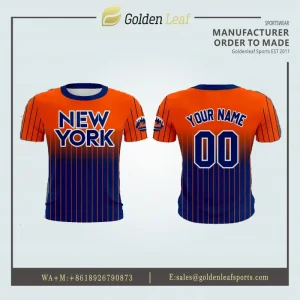
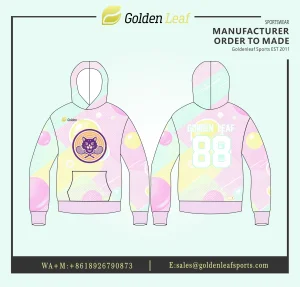
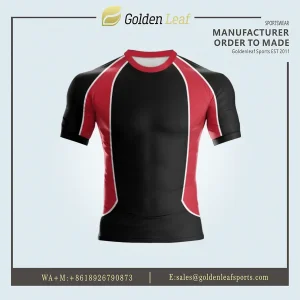
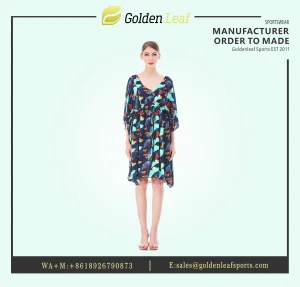
Browse additional OEM/ODM custom teamwear styles built in our specialized Shenzhen manufacturing facility.