
GoldenLeaf Sports14+ Years Teamwear Manufacturer · Shenzhen, China

Japan Market Industry Report & Procurement Portal

China Running Suppliers & Factories in the Japan Market

Strategic OEM/ODM Technical Solutions, High-Performance Activewear Engineering, and RCEP Cross-Border Supply Chain Optimization for Japanese Athletic Brands & Retail Networks.

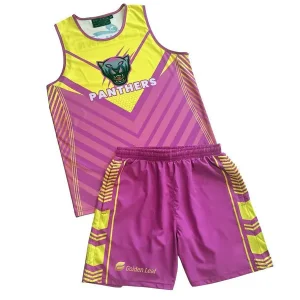
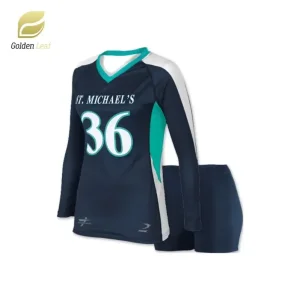
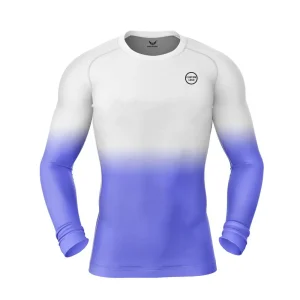
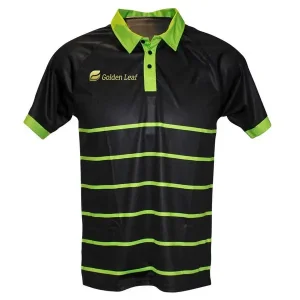
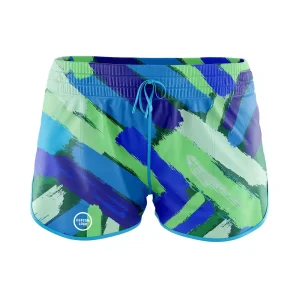
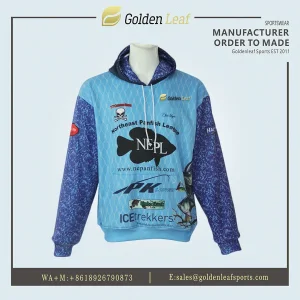
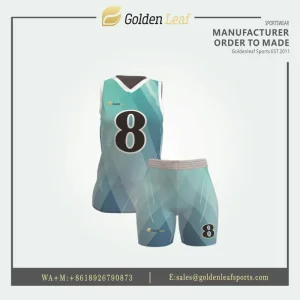
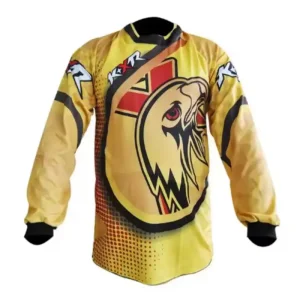
Featured Running & Athletics Technical Apparel

Engineered to Japanese JIS Standards with High-Elastic Micro-Mesh, Ultrasonic Seamless Bonding, and Eco-Friendly Sublimation Inks.
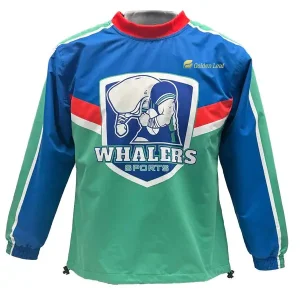
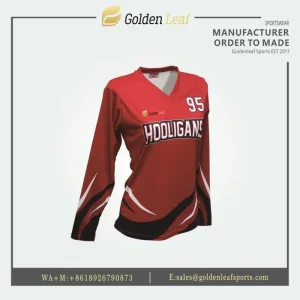
Macro-Market Dynamics: The Evolution of Japan's Running Sector

Japan represents one of the most sophisticated, quality-sensitive, and technologically demanding running markets globally. Deeply anchored by the cultural institution of Ekiden (long-distance relay racing) and elevated by world-class mass participation events such as the Tokyo Marathon, Osaka Marathon, and Nagoya Women’s Marathon, Japanese runners demand apparel that seamlessly blends featherlight aerodynamic comfort, extreme thermoregulation, and rigorous durability.

In recent years, the market has undergone a structural pivot. Modern Japanese running enthusiasts and elite athletes are moving beyond standard synthetic activewear. Sourcing managers and apparel brands in Tokyo, Osaka, and Fukuoka are seeking manufacturing partners capable of delivering specialized technical features:

  • Ultra-Fine Mesh Knitting: Polymer structures yielding fabric weights between 90 gsm and 130 gsm without compromising tensile strength or structural opacity.
  • Night Running Safety (Reflective Tech): High-visibility 3M Scotchlite reflective film integration, engineered specifically for urban night runners across Shibuya, Shinjuku, and Yoyogi Park routes.
  • Hydrophobic Thermal Moisture Management: Advanced capillary-action polyester-spandex filaments that pull perspiration rapidly away from the epidermal layer, critical for suppressing core temperature during humid Japanese summers.
  • JIS Standardized Color Fastness: Grade 4+ color fastness to washing, rubbing, and perspiration under Japanese Industrial Standards (JIS L 0844 / JIS L 0849).
Strategic Sourcing Insight: Chinese sportswear manufacturers situated in the Pearl River Delta (Shenzhen, Dongguan) and Zhejiang apparel clusters have evolved from low-cost volume producers into high-precision OEM/ODM technological partners. By adopting Japanese Kenshin (needle inspection protocols), automated 3D CAD pattern cutting, and eco-certified dye formulations, top-tier Chinese factories now fulfill over 65% of Japan's imported performance running apparel demand.
99.8%
JIS QC Pass Rate
300K+
Annual Export Units
10-14
Days Lead Time
RCEP
Zero-Tariff Preferred

Technical Engineering & Manufacturing Capabilities

How leading Chinese factories resolve key sourcing friction points for Japanese corporate buyers and sports brand procurement directors.

Asian 3D Ergonomic Sizing

Pattern templates customized specifically for Japanese body proportions (compact shoulder widths, adjusted torso ratios, optimized sleeve drops) preventing restrictive motion during endurance running.

Zero-Friction Seamless Tech

Ultrasonic hot-melt seam bonding and 4-needle 6-thread flatlock stitching that completely eliminates inner-thigh and chest chafing across 42.195 km marathon runs.

Epson Digital Sublimation

Using imported eco-friendly Italian Kian and Japanese Epson sublimation inks with Pantone Color Matching to render crisp, photo-realistic team graphics that won't fade or peel.

RCEP Trade Agreement & Cross-Border Logistics Strategy

The enforcement of the Regional Comprehensive Economic Partnership (RCEP) has dramatically reshaped trade economics between China and Japan. Tariffs on synthetic athletic apparel and knitted sportswear exported from China to Japan are steadily trending toward 0%, providing Japanese brand owners with an average 4.8% to 8.2% landed cost reduction compared to non-RCEP manufacturing zones.

From a supply chain logistics perspective, proximity translates into agility. Express sea freight lines running from Ningbo, Shanghai, and Shenzhen reach Yokohama, Tokyo, and Osaka ports within 3 to 5 days. For high-priority event deadlines (such as school Ekiden season kits or corporate marathon sponsorships), direct air cargo lines deliver door-to-door within 48 to 72 hours via Narita (NRT) or Kansai (KIX) airports under DDP (Delivered Duty Paid) or FOB terms.

Quality Assurance Protocol: The "Kenshin" (Needle Inspection) Guarantee

Japanese trading houses (Sogo Shosha) and retail distributors enforce strict non-negotiable quality control metrics. Chief among these is the requirement for 100% metal needle detection (検針 - Kenshin). Leading Chinese OEM facilities targeting the Japan market utilize automated conveyor-belt dual-head needle detector machines calibrated to detect ferrous fragments as small as 0.8mm.

Every batch of finished running shirts, shorts, and compression wear undergoes a triple-gate quality check:

  • Gate 1 (Raw Fabric Inspection): Testing for fabric skewness, weight tolerance (+/- 3%), hydrophobic wicking rates (JIS L 1907 water absorption test), and skin-contact safety (OEKO-TEX Standard 100 Class I).
  • Gate 2 (In-Line Laser & Stitching QC): Automated laser cutting to maintain panel dimensional accuracy within +/- 1.5mm across graded sizes from S to 5XL.
  • Gate 3 (Post-Packaging Kenshin & AQL 1.5): Final inspection based on ISO 2859-1 (AQL 1.5 Major / 2.5 Minor) followed by sealed poly-bag needle detection before master carton packing.

Full OEM/ODM Running & Sports Apparel Product Line

Explore our complete catalog engineered for Japanese brand owners, wholesalers, and university athletic clubs.
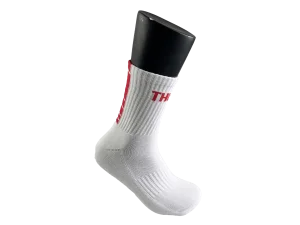
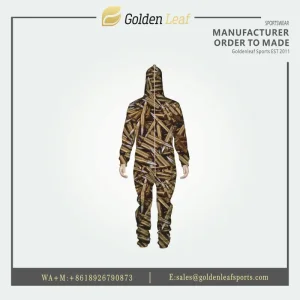
Tech Roadmap: Next-Generation Running Apparel Innovations

As the global running apparel market transitions toward heightened functional specialization and environmental responsibility, Chinese OEM/ODM factories are investing heavily in advanced research and development (R&D) tailored to Japanese consumer preferences.

Recycled PET & GRS Fabrics

100% post-consumer recycled polyester derived from ocean plastic bottles, fully certified under the Global Recycled Standard (GRS) to support eco-conscious brand positioning in Japan.

Smart Thermal-Regulation

Phase-change material (PCM) micro-encapsulation printed directly onto fabric linings, dynamically absorbing body heat during peak exertion and releasing it when resting.

Laser-Cut Aerodynamic Zones

Targeted laser-perforated airflow panels engineered along high-perspiration spinal and underarm zones, optimizing drag-reduction for marathon runners.

By integrating carbon-plate footwear compatibility into apparel design (such as non-bounce gel pouch waistbands and friction-free groin gussets), Chinese manufacturers ensure Japanese buyers remain at the bleeding edge of global running trends.

Frequently Asked Questions (Japan Procurement Q&A)

Clear, practical answers regarding manufacturing capabilities, Japanese quality compliance, order terms, and shipping logistics.

What is the minimum order quantity (MOQ) for custom sublimated running apparel for Japanese clients?
Our standard MOQ is 10 pieces per design for custom sublimated running jerseys, tops, and pinnies. Because every garment is printed individually prior to laser cutting, each athlete can receive unique personalized names, bib numbers, and specific Asian sizing grades inside a 10-piece batch without extra setup surcharges.
Do your factories strictly comply with Japanese "Kenshin" (Needle Inspection) protocols?
Yes. All finished running apparel produced for the Japan market passes through automated conveyor-belt dual-head needle detection machines (検針機) calibrated to detect metal fragments as small as 0.8mm. Complete needle inspection certificates are issued prior to master carton sealing.
How do you handle color accuracy matching for Japanese brand specifications?
We operate color-managed RIP digital printing lines using imported Epson and Italian Eco-friendly sublimation inks. We match exact Pantone (TCX/PMS) codes and provide physical printed fabric swatches (Strike-Offs) within 48 hours for client approval before executing full production runs.
What shipping terms and delivery speeds are available from China to Tokyo/Osaka?
We support EXW, FOB (Shenzhen/Ningbo/Shanghai), CIF, and full DDP (Delivered Duty Paid to Japanese warehouse addresses). Fast-track air express delivers within 48 to 72 hours, while direct sea freight shipping lanes take approximately 3 to 5 days to reach Tokyo, Yokohama, or Kansai ports.
Can you provide custom Japanese-language tech packs, care labels, and branding?
Yes. We offer complete OEM/ODM private label packaging solutions, including Japanese washing instruction care labels compliant with Household Goods Quality Labeling Act regulations, woven neck labels, hang tags with barcodes/QR codes, and branded eco-friendly polybags.

Partner with China’s Premier Running Wear Manufacturer

Whether you are developing a new marathon product line, sourcing Ekiden team uniforms, or scaling custom running gear distribution across Japan, our technical team is ready to deliver.

Send Inquiry Now