



GoldenLeaf Sports14+ Years Teamwear Manufacturer · Shenzhen, China
GoldenLeaf Sports14+ Years Teamwear Manufacturer · Shenzhen, China
Engineered to satisfy the stringent quality, breathability, and aesthetic metrics required by Osaka-based wholesale suppliers and regional commercial enterprises.
Strategic Insights into the Intersection of Traditional Garment Heritage, Modern Synthetic Engineering, and Global OEM Procurement Dynamics.
Osaka has historically served as the commercial beating heart of Japan's textile trade. From the historic Senba textile district to the industrial manufacturing belts of Senshu and Izumi, the Kansai region maintains meticulous expectations for fabric weight, weave density, tensile strength, and color depth. As global economic paradigms shift and international tourism surges—amplified by major international gatherings such as Expo 2025 Osaka/Kansai—the local market for traditional Japanese attire (such as Kimonos, Yukatas, and traditional event Happi coats) alongside high-performance athletic teamwear is undergoing a massive technological synthesis.
Enterprise buyers seeking Kimono Manufacturers & Suppliers for the Osaka market encounter multi-faceted supply chain demands. Japanese retail standards (JIS - Japanese Industrial Standards) impose strict parameters regarding yarn uniformity, seam slippage, formaldehyde residue (zero-tolerance for infant items and ultra-low thresholds for adult wear), and color fastness under light and rub testing (JIS L 0844 and JIS L 0849).
Furthermore, local procurement teams require flexible Minimum Order Quantities (MOQs) to mitigate overstock risks while maintaining rapid replenishment cycles during peak seasonal events—such as the Spring Cherry Blossom (Sakura) rental booms, Summer Tenjin Matsuri festivals, and regional collegiate sports competitions. Overcoming these logistics hurdles requires an integrated OEM/ODM partner capable of managing the entire value chain under one roof: from vector pattern grading and color-managed RIP dye-sublimation to automated laser panel cutting and rigorous multi-stage QA inspection.
How Modern Digital Sublimation and Pattern Science Fulfill Osaka's Demanding Standards.
Utilizing high-purity imported eco-sublimation inks that bond molecularly with polyester filaments at 210°C. Delivers vivid detail without compromising fabric breathability or hand feel, meeting strict Japanese environmental standards.
Automated optical camera-guided laser cutting guarantees panel accuracy within ±0.5mm. Prevents fraying and ensures seamless edge-to-edge alignment across intricate traditional motif repeats and complex modern panel constructions.
Sourcing specialized bird-eye mesh, 4-way stretch poly-spandex (88/12), and heavyweight silk-touch interlocks (145-220 GSM) that replicate the graceful drape of traditional garments while providing modern athletic moisture management.
To eliminate discrepancies between digital concept and physical garment, our production line executes an 8-stage technical control methodology specifically optimized for international B2B buyers:
Tailored Supply Chain Solutions Across Hospitality, Sports Tourism, and Cultural Commerce.
Osaka’s booming tourism market around Dotonbori, Shinsekai, and Osaka Castle has created massive demand for lightweight, washable, wrinkle-resistant Kimonos and Yukatas. Standard silk originals require specialized dry cleaning and degrade rapidly under intensive rental cycles. Our OEM sublimated synthetic hybrid garments allow commercial rental operators to wash items nightly via standard laundry infrastructure, maintaining crisp color vibrancy and structural integrity across hundreds of guest rotations.
Global brands establishing brand activations in Kansai demand fast turnarounds for custom Happi coats, staff uniforms, and promotional teamwear. With full sub-printing capabilities, corporate sponsors can incorporate high-resolution gradient logos, complex Japanese geometric art (Asanoha, Seigaiha), and multi-lingual branding directly into the fabric matrix without stiff screen-printed ink layers.
International apparel brand managers and regional Japanese wholesalers balance three competing priorities: Unit Economics, Product Safety/Quality Compliance, and Lead-Time Reliability. By managing factory operations in a centralized 3,000 m² facility with 160 skilled technicians, we deliver significant competitive advantages:
Rigorously Tested to Exceed Japanese Apparel Standards and Regional Market Expectations.
All production lots undergo testing for wash fastness (JIS L 0844 Method A-2), perspiration fastness (JIS L 0848), and light fastness. Fabrics are certified free of harmful aromatic amines (Azo dyes) and formaldehyde residues.
Complete OEM packaging solutions including Japanese-language wash care labels (JIS L 0001 compliant symbol sets), woven neck tags, hangtags with custom EAN/UPC barcodes, and branded polybag packaging ready for retail shelves in Osaka.
Five dedicated quality assurance inspectors audit every batch at cut-panel, post-sublimation, pre-sewing, post-assembly, and final packaging stages to guarantee zero stitching breaks, dye spots, or dimension deviations.
Navigating Sustainability, Smart Micro-Fibers, and AI-Driven Supply Chains.
The global custom sportswear and hybrid traditional apparel sectors stand on the brink of significant technological evolution. Looking toward 2030, key macro trends will redefine how suppliers serve demanding urban markets like Osaka:
Environmental regulations and consumer preferences in Japan strongly favor sustainable sourcing. Modern sublimation tech now supports 100% post-consumer recycled polyester yarns without sacrificing tensile strength or dye vibrancy. Forward-thinking buyers are replacing virgin synthetic fibers with GRS-certified (Global Recycled Standard) micro-polyesters to enhance brand equity.
Integrating silver-ion antimicrobial coatings directly into knit structures controls odor formation—a critical performance enhancement for athletic wear and rental garments during humid Osaka summers. Future developments will embed passive cooling yarns that reflect infrared heat, keeping wearers comfortable during outdoor festivals and sporting events.
Digital pattern engineering platforms are collapsing prototyping timelines. Virtual 3D sampling allows Osaka brand managers to preview garment drapes, seam tension, and graphic scale on digital avatars in 24 hours, eliminating sample freight iterations and reducing total development cycles by up to 60%.
Direct Technical Answers for Importers, Wholesalers, and Brand Managers.
Digital mock-ups are completed within 24-48 hours. Physical pre-production samples take 5-7 working days. Bulk production runs (300 to 1,000 pieces) are manufactured and dispatched in 12-18 working days. Express air shipping to Kansai International Airport (KIX) takes an additional 3-5 days.
Yes. Our vector engineering team creates custom patterns based on traditional Japanese garment specs (T-shape layout, wide sleeves, fold-over collars) using modern lightweight polyesters or heavy interlock fabrics suitable for modern sublimation printing.
Our standard minimum order quantity is 10 pieces per design for digitally sublimated garments. Within a single 10-piece order, individual player names, numbers, and custom sizes can be included at no additional setup charge.
We utilize imported eco-friendly sublimation inks calibrated to Pantone PMS matching system profiles. Prior to mass printing, we provide high-resolution digital renders and physical printed color swatches on actual production fabric for final customer sign-off.
Fully. We produce woven neck labels, heat-transfer inner branding, Japanese JIS L 0001 compliant laundry care tags, hangtags with barcoding, and individual polybag packaging tailored to your brand specifications.
Explore our complete manufacturing lineup supporting sports programs, fitness centers, and commercial apparel distributors across Kansai.
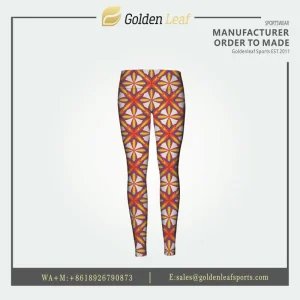
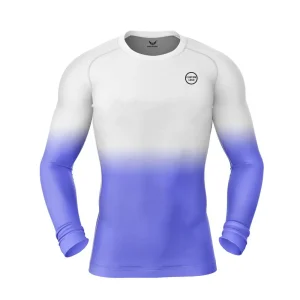
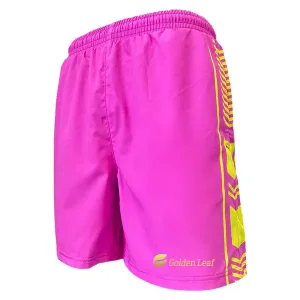
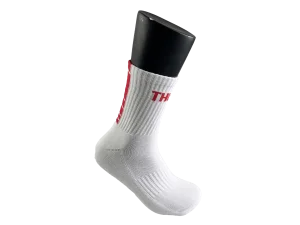
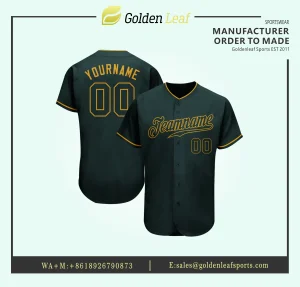
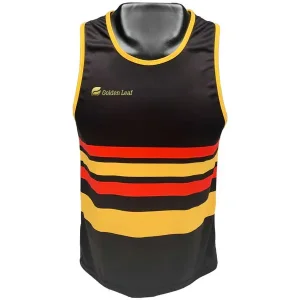
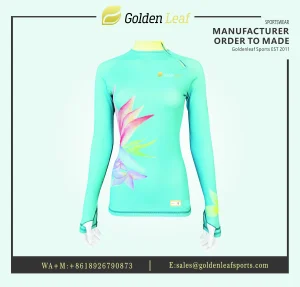
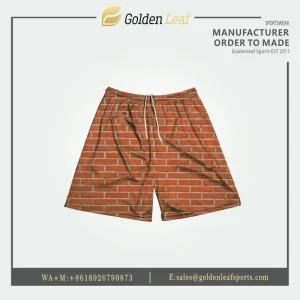
Whether you require custom sublimated team kits or traditional hybrid apparel engineered for the Osaka market, our technical team provides free virtual mockups and factory-direct pricing within 24 hours.
Send Inquiry Now