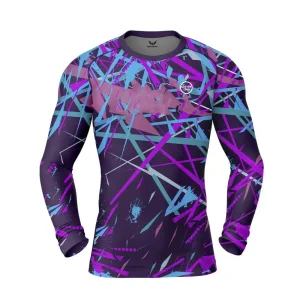
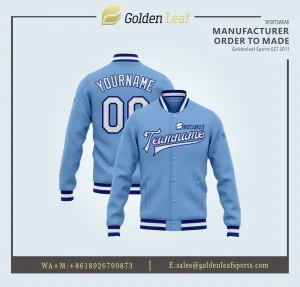
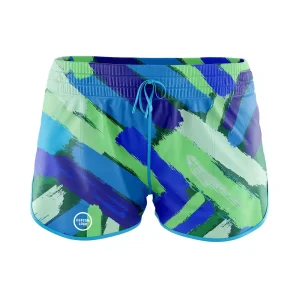
GoldenLeaf Sports14+ Years Teamwear Manufacturer · Shenzhen, China
GoldenLeaf Sports14+ Years Teamwear Manufacturer · Shenzhen, China
Explore our flagship OEM/ODM products crafted for international distributor networks and professional teams.
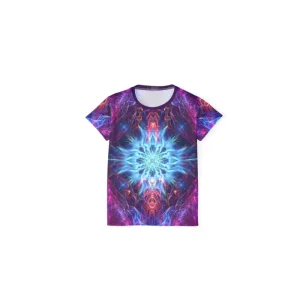
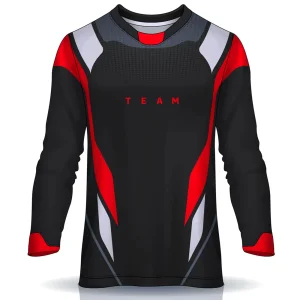
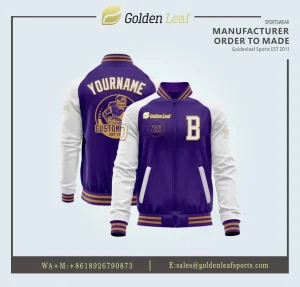
A comprehensive analysis of powertrain evolution, procurement strategies, compliance standards, and modern rider ecosystems.
The global powersports and motorcycle export ecosystem is undergoing a dramatic structural pivot. Driven by rapid urbanisation in emerging markets and high-performance demand in Western nations, leading manufacturers are shifting from simple vehicle assembly to integrated end-to-end mobility solutions.
With over 14 years of specialized OEM/ODM manufacturing infrastructure, advanced CAD frame layout laboratories, robotic welding lines, and specialized riding gear divisions, top-tier exporters establish trust through verifiable product durability, Euro 5/6 emission compliance, and strict QA protocols.
Navigating global trade requires strict adherence to international homologation standards, including DOT (North America), EEC/E-Mark (Europe), and ISO 9001 certified manufacturing controls, safeguarding bulk importers against regulatory bottlenecks.
Analyzing key structural shifts shaping two-wheeler design, electrification, telematics, and rider gear synergy.
The global shift toward zero-emission transportation has redefined two-wheeler innovation. Exporters are accelerating investments in high-density lithium-ion and solid-state battery technology, intelligent Battery Management Systems (BMS), and regenerative braking architectures. Electric motorbikes (e-motorcycles) are expanding beyond light urban mobility into high-torque sport and utility segments, requiring suppliers to adapt supply chains for specialized electronics, dual-channel ABS integration, and liquid-cooled electric drives.
Modern motorcycles are no longer isolated mechanical assets; they are connected smart terminals. Enterprise buyers and commercial fleet managers demand vehicle-to-everything (V2X) telematics. Modern export models integrate CAN-bus architecture, real-time GPS fleet tracking, predictive maintenance diagnostic sensors, and over-the-air (OTA) firmware updates. This data layer allows fleet operators to optimize fuel efficiency, track driver behavior, and minimize maintenance downtime.
Fuel efficiency and range optimization depend heavily on structural weight reduction. Leading manufacturers utilize high-tensile trellis frames, forged aluminum swingarms, and carbon-reinforced composite fairings. Optimized aerodynamic drag coefficients reduce engine strain at cruising speeds, allowing smaller engine displacement models (125cc-400cc) to achieve higher top-end speeds while satisfying increasingly stringent international emissions standards.
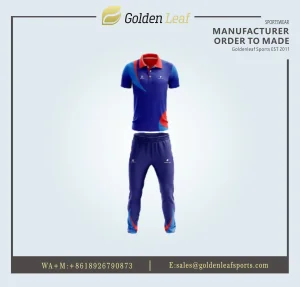
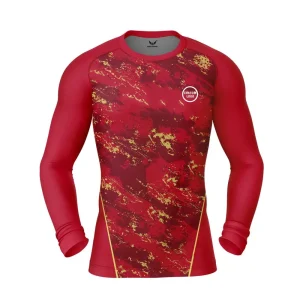
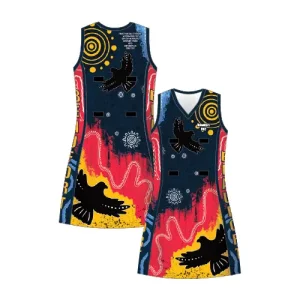
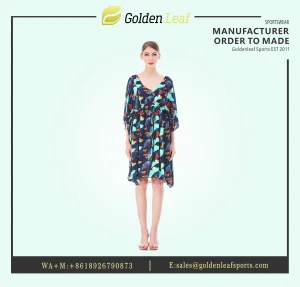
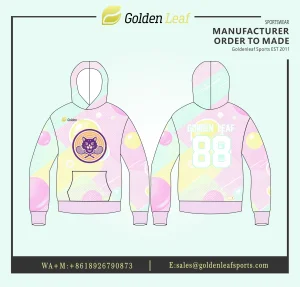
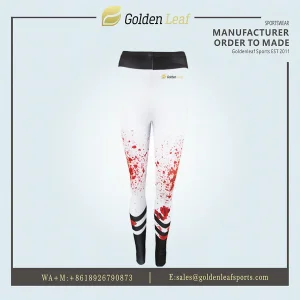
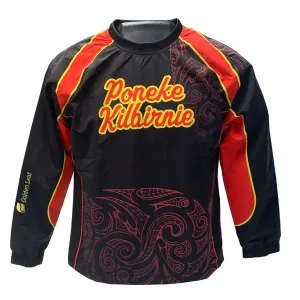
Vehicle performance is incomplete without rider protection. Modern export strategies integrate custom rider gear—including sublimated high-visibility track jerseys, abrasion-resistant outer jackets, moisture-wicking compression layers, and specialized team wear—directly alongside vehicle shipments. Brand owners leverage white-label custom manufacturing to provide fully branded rider kits to dealerships and professional racing teams.
Evaluating import strategies: Completely Built Up (CBU), Completely Knocked Down (CKD), and Semi-Knocked Down (SKD) logistics.
| Procurement Model | Assembly Complexity | Import Duty & Tax Impact | Shipping Density & Freight Cost | Ideal Procurement Intent |
|---|---|---|---|---|
| CBU (Completely Built Up) | Zero (Ready for retail delivery) | Standard High Tariff Rates | Low Density (High spatial volume) | Low-volume specialized batches, trial markets, fully certified turnkey vehicle drops. |
| SKD (Semi-Knocked Down) | Moderate (Engine/chassis prep assembled) | Medium Tariff Advantages | Moderate Freight Efficiency | Established distributors balancing local assembly capabilities with quality control consistency. |
| CKD (Completely Knocked Down) | High (Requires local assembly line) | Lowest Tariff Rates (Industrial incentive) | Maximum Freight Density (Up to 3x CBU unit count per container) | Large-scale regional brand owners, government fleet orders, and local manufacturing facilities. |
Our OEM/ODM manufacturing blueprint provides international buyers with complete custom flexibility. From custom displacement engine tuning (50cc to 650cc, single/twin cylinder) to proprietary frame colorways, custom digital dash clusters, molded fairings, and tailored rider gear lines—we ensure every unit off the production line aligns precisely with your market's brand identity and technical parameters.
Standardized, multi-stage engineering validation guarantees consistency from raw metal tubing to final export packing.
High-precision robotic welding lines assemble high-tensile steel and alloy frames. Ultrasonic weld testing and automated stress-testing rigs verify torsional resistance before coating applications.
Every internal combustion and electric powertrain undergoes automated dynamometer calibration to verify horsepower curve output, peak torque retention, heat dissipation efficiency, and emissions output balance.
Comprehensive harness testing checks signal integrity across illumination systems, digital TFT meters, anti-theft sensors, electronic fuel injection (EFI) maps, and ABS module triggers.
Completed vehicles perform a 5km obstacle and track roll test. Final units are treated with anti-corrosion spray, secured within reinforced steel-crate frames, and sealed inside moisture-proof poly-barriers.
Ensuring frictionless customs clearance and market legitimacy across diverse regulatory territories.
Vehicle models slated for the United States and Canadian markets are engineered to comply with Federal Motor Vehicle Safety Standards (FMVSS) enforced by the Department of Transportation (DOT), alongside Environmental Protection Agency (EPA) and California Air Resources Board (CARB) evaporative and tailpipe emission thresholds.
Export units entering the European Single Market receive full Whole Vehicle Type-Approval (WVTA). Systems feature mandatory dual-channel ABS, OBD-II onboard diagnostic ports, low-emission catalytic convertors, and E-Mark certified optical LED illumination assemblies.
Recognizing severe operational conditions in developing markets, localized exports incorporate reinforced dual-rear shock absorbers, high-clearance crankcase guards, flex-fuel carburetors or multi-point fuel injectors tuned for variable petrol quality, and tropicalized electrical insulation.
Pioneering advancements in smart two-wheeler mobility, autonomous driver assistance, and sustainable materials.
Deployment of Advanced Rider Assistance Systems (ARAS) featuring blind-spot radar detection, adaptive cruise control assistance, and cornering traction control systems across mid-displacement export models.
Unifying international urban fleet architectures through standardized modular battery-swapping interfaces, allowing commercial delivery vehicles to exchange battery packs in under 30 seconds.
Integrating recyclable plant-based resin fairings, zero-waste sublimated textile riding gear, and closed-loop aluminum alloy recycling to achieve net-zero manufacturing output across all export production facilities.
Expert insights on minimum order quantities, homologation paperwork, custom tooling, and shipping schedules.
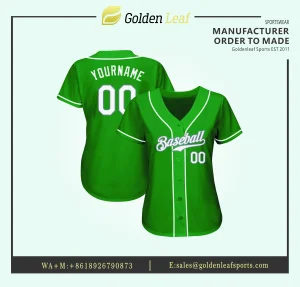
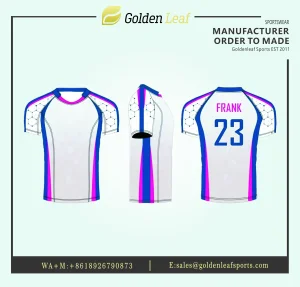
For fully assembled (CBU) motorcycles or SKD shipments, our baseline containerized MOQ is 1 x 20ft container (typically 24 to 32 units depending on engine displacement class). For CKD assembly orders, minimum runs start at 100 units per model colorway. For associated custom team apparel, sublimated racing jerseys, and corporate uniform lines, our flexible OEM manufacturing run starts at just 10 pieces per design, allowing custom player names, numbers, and sponsor placement at zero additional cost.
We supply complete COC (Certificate of Conformity), VIN generation compliance paperwork, and lab testing data required by target market customs agencies (e.g., DOT, EPA, EEC/E-Mark). If a client requests a completely custom chassis or engine modification, our regulatory compliance division handles pre-testing, sample submission, and certification filings directly with international testing bodies such as TÜV or VCA.
Standard production runs for existing vehicle models ship within 25 to 35 business days following deposit confirmation and artwork approval. Customized OEM projects requiring unique fairing molds or proprietary electrical harnesses require an initial 45 to 60-day prototyping and validation phase before full bulk assembly commences. Apparel and promotional kit add-ons complete production in 12 to 18 working days.
All vehicle exports are backed by an optional 1%–3% wear-and-tear spare parts package (including brake pads, filters, cables, gaskets, and control switches) packed directly into the shipping container at no added freight cost. Furthermore, we maintain a dedicated spare parts warehouse guaranteeing 48-hour dispatch for critical engine components, backed by a 12-month or 10,000km limited warranty on primary frame and engine block components.
Explore additional high-performance gear designed for team customization and global distribution.